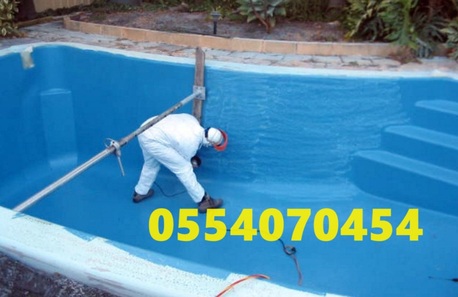
Waterproofing for Tanks
water tank waterproofing
### Waterproofing for Tanks: The Ultimate Guide to Protecting Your Water Tank
**Waterproofing for tanks** is essential for maintaining the integrity of water storage tanks and ensuring the safety and cleanliness of the stored water. Without proper waterproofing, tanks can be susceptible to leaks, contamination, and structural damage, which can lead to costly repairs and health risks. Whether you're dealing with underground, above-ground, concrete, or metal tanks, choosing the right waterproofing solution is key to long-lasting protection.
#### Why is Water Tank Waterproofing Important?
1. **Prevent Water Leaks**: Proper waterproofing prevents leaks from occurring, which can weaken the structure and cause water loss.
2. **Preserve Water Quality**: Waterproofing ensures that contaminants from external sources (such as soil, chemicals, or bacteria) do not seep into the tank.
3. **Protect Structural Integrity**: Waterproofing materials protect the tank’s surface from corrosion, cracking, and other damage caused by water penetration.
4. **Reduce Maintenance Costs**: A well-waterproofed tank reduces the frequency of repairs and maintenance, saving costs over time.
### Best Waterproofing Solutions for Water Tanks
1. **Epoxy Coating**
- **Features**:
- Provides a highly durable, chemical-resistant, and water-impermeable barrier.
- Forms a seamless coating that prevents leaks and protects the surface from corrosion.
- Suitable for both concrete and metal tanks.
- **Uses**: Best for industrial and commercial tanks that may be exposed to harsh chemicals or high water pressure. Also ideal for underground tanks that face exposure to soil moisture.
2. **Cementitious Waterproofing**
- **Features**:
- Made from a mix of cement-based materials that can be easily applied to tank surfaces.
- Provides a solid, impermeable layer to prevent water from leaking through the tank walls.
- Easy to apply and cost-effective.
- **Uses**: Ideal for concrete water tanks, particularly in residential and smaller commercial settings. This solution is excellent for underground tanks or cisterns.
3. **Liquid Polyurethane Membrane**
- **Features**:
- Highly flexible and elastic, making it effective for sealing cracks and covering joints.
- Resistant to UV radiation, making it suitable for exposed tanks.
- Provides a continuous, waterproof layer that can expand and contract with the tank's movement.
- **Uses**: Perfect for both above-ground and underground tanks, especially those that may be exposed to temperature fluctuations or movement.
4. **Bituminous Waterproofing (Asphalt-Based)**
- **Features**:
- Excellent water-resistant properties, creating a durable and flexible protective layer.
- Can withstand harsh environmental conditions, including UV rays and high humidity.
- Often used in combination with other materials like geotextiles for enhanced protection.
- **Uses**: Frequently used in underground water tanks or reservoirs due to its high water resistance and durability against ground pressure.
5. **Rubberized Coating**
- **Features**:
- Flexible and seamless, providing a protective layer that prevents leaks.
- Adheres well to a variety of surfaces, including metal, concrete, and plastic.
- Resistant to harsh environmental conditions, UV rays, and chemicals.
- **Uses**: Ideal for tanks that require a flexible solution to accommodate structural movement, such as above-ground tanks or mobile tanks.
### Water Tank Sealants
**Water tank sealants** are another key component of waterproofing systems. These materials are used to seal cracks, joints, and seams in water tanks to ensure they remain watertight.
1. **Polyurethane Sealant**
- **Features**:
- Excellent adhesion to concrete, metal, and plastic surfaces.
- High flexibility, making it perfect for sealing expansion joints or cracks.
- Resistant to water, chemicals, and weather conditions.
- **Uses**: Ideal for sealing cracks or joints in both above-ground and underground water tanks, providing flexibility and durability.
2. **Silicone Sealant**
- **Features**:
- Creates a watertight bond that is resistant to UV rays and extreme temperatures.
- Remains flexible over time, preventing cracking or peeling.
- Mold and mildew resistant, making it suitable for water tanks.
- **Uses**: Commonly used for smaller applications like sealing around pipe penetrations or fixing minor leaks in tank linings.
3. **Acrylic Sealant**
- **Features**:
- Water-based, making it easy to apply and clean.
- Provides a flexible seal that can accommodate minor movement.
- Cost-effective and eco-friendly.
- **Uses**: Suitable for small repairs or sealing non-critical joints in residential water tanks.
### Steps to Waterproof a Water Tank
1. **Surface Preparation**:
- Clean the surface of the tank thoroughly to remove any dirt, dust, algae, or loose particles.
- Repair any cracks, holes, or damaged areas using a suitable sealant or patching compound.
2. **Apply Primer**:
- Apply a primer that is compatible with the chosen waterproofing material to ensure good adhesion.
3. **Waterproofing Application**:
- Apply the waterproofing material (e.g., epoxy, cementitious coating, or polyurethane membrane) according to the manufacturer’s instructions.
- Ensure all areas, including corners, seams, and joints, are adequately covered.
4. **Curing and Drying**:
- Allow the waterproofing material to cure and dry fully before filling the tank with water. Curing time may vary depending on the material and environmental conditions.
5. **Testing**:
- Once the waterproofing is complete, perform a leak test by filling the tank with water and observing for any signs of leakage.
### Conclusion
**Waterproofing for water tanks** is essential for protecting the tank and maintaining the quality of the water it stores. Choosing the right waterproofing material—whether it's epoxy, polyurethane, or bituminous—can make a significant difference in extending the tank's lifespan and reducing maintenance costs.
For expert advice and services in tank waterproofing, get in touch with a specialized company that can provide the best solution based on your tank’s specific needs.
Call us now: 0554070454