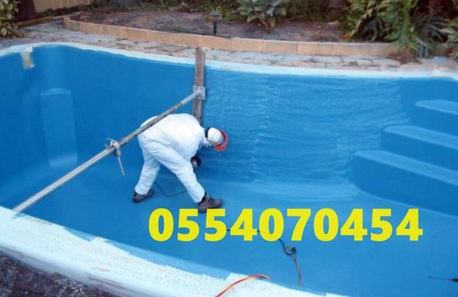
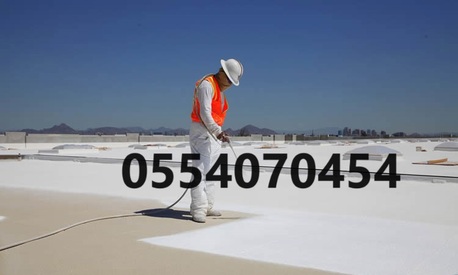
Water tank sealant is essential for ensuring the integrity of your water tank by preventing leaks and sealing cracks, joints, and seams. A good sealant not only keeps water contained within the tank but also prevents outside contaminants from seeping in. Whether you have a metal, concrete, or plastic water tank, choosing the right sealant is crucial for maintaining the quality of the stored water and extending the tank's lifespan.
Why Use a Water Tank Sealant?
1. Leak Prevention: Sealants fill cracks, seams, and gaps in water tanks, preventing water from leaking out or contaminants from leaking in.
2. Protecting Water Quality: By preventing contamination from soil, chemicals, and other environmental elements, sealants help maintain clean, safe water storage.
3. Structural Protection: A proper sealant can help protect the tank’s structure from corrosion, weathering, and damage due to water exposure.
4. Extending Tank Life: Regular use of sealants helps to extend the lifespan of the tank by reinforcing weak areas and preventing structural deterioration.
Types of Water Tank Sealants
1. Polyurethane Sealant
- Features:
- High flexibility, ideal for expansion joints and cracks that experience movement.
- Strong adhesion to concrete, metal, and plastic surfaces.
- Resistant to water, chemicals, and UV exposure.
- Applications: Ideal for both large and small tanks, including underground and above-ground installations. Its flexibility makes it perfect for sealing expansion joints and cracks that are prone to movement.
2. Silicone Sealant
- Features:
- Forms a waterproof, watertight bond.
- Resistant to UV rays, temperature fluctuations, and extreme weather conditions.
- Mold and mildew resistant, ensuring cleanliness.
- Applications: Excellent for smaller, non-moving cracks or around pipe connections. Commonly used in above-ground tanks, especially in residential setups, where temperature variations are common.
3. Epoxy Sealant
- Features:
- Extremely strong and durable.
- Creates a rigid bond that is resistant to water, chemicals, and corrosion.
- Ideal for structural repairs in concrete and metal tanks.
- Applications: Best for repairing significant cracks or leaks in concrete or metal water tanks. Epoxy is often used in industrial or commercial tanks where strength and durability are critical.
4. Acrylic Sealant
- Features:
- Easy to apply and clean since it's water-based.
- Flexible but not as durable or long-lasting as polyurethane or epoxy.
- Eco-friendly and cost-effective for basic sealing tasks.
- Applications: Suitable for minor repairs in residential water tanks. It's typically used for small leaks or as a temporary solution.
5. Butyl Rubber Sealant
- Features:
- Offers high elasticity and waterproofing capabilities.
- Resistant to both water and environmental stress, such as heat and UV exposure.
- Long-lasting and effective for use in extreme conditions.
- Applications: Often used in both underground and above-ground tanks for sealing larger gaps and ensuring long-term protection against water ingress and egress.
How to Apply Water Tank Sealant
1. Surface Preparation:
- Clean the surface thoroughly to remove any dirt, algae, or debris. The sealant will only adhere well to clean, dry surfaces.
- Ensure that the surface is dry before applying any sealant.
2. Identify and Repair Cracks:
- Inspect the tank for cracks, joints, or seams where leaks may occur.
- Use the appropriate sealant for the specific crack or area of concern. For larger cracks, consider using an epoxy or polyurethane sealant.
3. Apply the Sealant:
- Apply the sealant according to the manufacturer’s instructions. This may involve using a caulking gun for precise application or a brush for broader areas.
- Ensure the sealant fills the entire crack or joint to form a tight bond and waterproof seal.
4. Allow for Curing Time:
- Allow the sealant to cure fully before using the tank. Curing time varies depending on the type of sealant but generally takes between 24 and 72 hours.
5. Test the Seal:
- After the sealant has cured, test the tank by filling it with water and checking for any leaks or weak spots in the sealant application.
Factors to Consider When Choosing a Water Tank Sealant
1. Tank Material: Different sealants work better on specific materials, such as concrete, metal, or plastic. Ensure that the sealant is compatible with your tank material.
2. Flexibility: If the tank is subject to movement or expansion, choose a flexible sealant like polyurethane or butyl rubber to accommodate the shifts.
3. Environmental Conditions: For tanks exposed to extreme temperatures or direct sunlight, choose a UV-resistant sealant such as silicone or butyl rubber.
4. Durability: For long-term repairs, opt for a high-strength, durable sealant like epoxy, which offers excellent resistance to water, chemicals, and weathering.
5. Ease of Application: Some sealants, like acrylic, are easier to apply and clean up, making them suitable for small DIY jobs, while others like epoxy may require professional application.
Conclusion
Choosing the right water tank sealant is essential for maintaining the integrity of your water storage system and ensuring that leaks, contamination, and structural damage are prevented. Polyurethane, epoxy, and silicone are among the most popular sealant options, offering varying degrees of flexibility, durability, and ease of use. Ensure that you select a sealant suitable for your tank’s material and environmental conditions for long-lasting protection.
For professional help with water tank sealants or expert waterproofing advice, you can contact us:
Phone: 0554070454