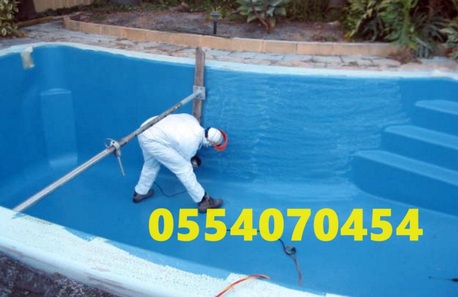
Epoxy waterproofing is one of the most effective and durable methods for protecting water tanks from leaks, contamination, and corrosion. Epoxy coatings provide a seamless, highly resistant barrier that ensures long-lasting protection for both potable and non-potable water tanks. This type of waterproofing is suitable for concrete, steel, and fiberglass tanks, offering superior resistance to chemicals, moisture, and harsh environmental conditions.
#### Why Choose Epoxy for Water Tank Waterproofing?
1. **Strong Waterproof Barrier**: Epoxy coatings form an impermeable layer that prevents water from penetrating the tank structure, thus avoiding leaks and seepage.
2. **Chemical Resistance**: Epoxy is highly resistant to chemicals, acids, and alkalis, making it ideal for tanks used in industrial or commercial settings.
3. **Corrosion Protection**: For metal tanks, epoxy provides excellent protection against rust and corrosion, extending the lifespan of the tank.
4. **Hygienic and Safe**: Epoxy coatings are non-toxic and safe for potable water storage, ensuring the water remains clean and uncontaminated.
5. **Durability**: Epoxy coatings are long-lasting, withstanding the wear and tear of constant water exposure and pressure changes.
6. **Seamless Application**: The epoxy coating creates a smooth, seamless surface inside the tank, preventing any weak points or cracks where water could escape.
### Types of Epoxy Used in Water Tank Waterproofing
1. **Solvent-Based Epoxy**:
- **Features**: Solvent-based epoxies are known for their high durability and chemical resistance. They create a strong and thick protective layer that bonds well to various surfaces.
- **Applications**: Commonly used in industrial and commercial water tanks that store chemicals or non-potable water. It's also ideal for steel and concrete tanks that require heavy-duty waterproofing.
2. **Water-Based Epoxy**:
- **Features**: Water-based epoxies are non-toxic and safe for use in potable water tanks. They provide a strong waterproof barrier while being environmentally friendly and low in volatile organic compounds (VOCs).
- **Applications**: Preferred for potable water tanks where water purity and safety are essential. These coatings are also used in residential and municipal water storage systems.
3. **100% Solids Epoxy**:
- **Features**: These epoxies contain no solvents, making them very thick and providing a high build for extra protection. They cure to form a hard, durable, and highly resistant surface.
- **Applications**: Suitable for heavy-duty tanks that require extra strength, such as underground water tanks or industrial tanks exposed to high water pressure and chemicals.
### Steps for Epoxy Waterproofing a Water Tank
1. **Surface Preparation**:
- **Cleaning**: Start by cleaning the tank thoroughly to remove any dirt, algae, grease, or old coatings. The surface must be free of contaminants to ensure proper adhesion of the epoxy.
- **Repair Cracks**: Any cracks, holes, or damaged areas should be repaired using a suitable patching compound. This will prevent further structural damage and ensure a smooth surface for the epoxy application.
2. **Priming**:
- Apply a suitable epoxy primer to the surface. The primer helps the epoxy bond better to the tank material and increases the durability of the coating. This step is especially important for concrete and steel tanks.
3. Applying the Epoxy:
- Using a brush, roller, or spray equipment, apply the epoxy coating evenly over the entire surface. For optimal protection, multiple coats may be required.
- Ensure the epoxy fills all joints, corners, and seams to create a seamless, watertight barrier.
- Allow the first coat to cure completely before applying additional coats, following the manufacturer's recommended drying times.
4. **Curing**:
- Epoxy coatings typically take between 24 to 48 hours to cure, depending on the product and environmental conditions (temperature, humidity).
- Avoid filling the tank with water or exposing it to moisture until the epoxy is fully cured to ensure maximum performance and longevity.
5. Testing:
- Once the epoxy has fully cured, conduct a water test by filling the tank and checking for any signs of leaks. Ensure that the coating is intact and watertight before using the tank for regular water storage.
### Advantages of Epoxy Waterproofing for Water Tanks
- Long-Lasting Protection: Epoxy coatings are incredibly durable, providing years of protection against leaks and corrosion.
- Versatility: Epoxy can be applied to various tank materials, including concrete, steel, and fiberglass, making it a versatile solution for different types of tanks.
- Smooth Finish: The smooth, non-porous finish of epoxy prevents the buildup of algae, bacteria, and other contaminants, keeping the water cleaner for longer.
- Ease of Maintenance: Epoxy coatings are easy to clean and maintain, reducing the need for frequent repairs or reapplications.
### Maintenance Tips for Epoxy-Coated Tanks
1. Regular Inspections: Periodically inspect the tank for any signs of wear, damage, or leaks. Address any issues promptly to prevent further damage.
2. Cleaning: Keep the tank clean to prevent the buildup of dirt, algae, and debris that could compromise the epoxy coating over time.
3. Refinishing: Depending on the tank's usage and the environment, you may need to reapply epoxy every 5 to 10 years to maintain optimal protection.
### Conclusion
Epoxy waterproofing is an excellent choice for protecting water tanks from leaks, corrosion, and contamination. Its strength, durability, and resistance to chemicals make it ideal for various types of tanks, including those used for potable water storage. By following the proper application process and using high-quality epoxy products, you can ensure that your tank remains watertight and long-lasting.
For professional assistance with **epoxy waterproofing** for your water tank or to get expert advice, contact us:
Phone: 0554070454