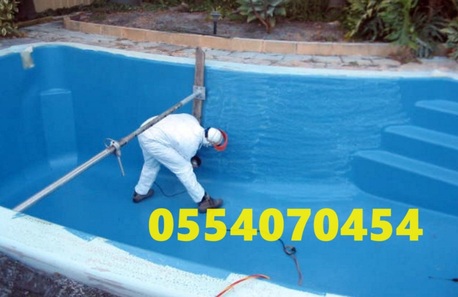
The underground water tank is one of the most important means of water storage in homes and establishments, used to ensure a steady supply of water for daily use and emergency situations. However, underground tanks can face several issues that affect the quality of stored water, with water leakage and penetration through tank walls being the most prominent. This can lead to water contamination, deterioration in water quality, and compromise the safety of its usage. Therefore, the process of interior waterproofing of underground water tanks is a crucial step in preserving the purity and quality of the water while preventing potential problems. The Importance of Interior Waterproofing: Interior waterproofing of underground water tanks is vital to protect the stored water from contamination and leakage. Water leakage can cause groundwater to infiltrate the tank, leading to contamination with harmful substances and chemicals. Over time, this issue can escalate, causing severe damages, substantial water loss, and endangering the health and safety of users. Key Steps for Interior Waterproofing: Tank Cleaning: Thoroughly clean the tank by removing sediments and debris accumulated on its walls using appropriate cleaning methods. Repair Cracks and Leaks: Address any cracks or holes in the tank walls before starting the waterproofing process. Use specialized repair materials to effectively seal these openings. Surface Preparation: Clean and prepare the tank walls' surface to receive the waterproofing materials. Prefer mechanical cleaning methods over chemical ones for surface preparation. Selecting Waterproofing Materials: Choose suitable and approved waterproofing materials. Plastic membranes and concrete panels are commonly preferred for waterproofing underground tanks. Application of Waterproofing Layer: After surface preparation, apply the waterproofing layer carefully to the tank walls and floor. Ensure complete coverage of the surface to guarantee the effectiveness of the process. Testing and Monitoring: Once the waterproofing process is completed, conduct tests to verify the absence of leaks and assess the stability of the waterproofing. This involves filling the tank with water and monitoring for any water leakage over a specific period. In conclusion, interior waterproofing of underground water tanks is a critical procedure to maintain the purity and quality of stored water and to avoid problems caused by leakage and contamination. This process should be carried out professionally, using approved waterproofing materials, to achieve optimal results and ensure a steady supply of clean and safe water for everyday use.