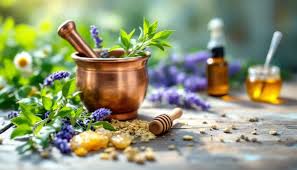
Established in 2012, SKS Ayurvedic Medical College & Hospital has rapidly emerged as one of the top private BAMS (Bachelor of Ayurvedic Medicine and Surgery) colleges in Uttar Pradesh, Rajasthan, Haryana, and Delhi NCR. With a sprawling 50-acre green campus, state-of-the-art facilities, and a commitment to free healthcare, it attracts students from across India who dream of becoming Ayurvedic physicians. Whether you're a NEET aspirant eyeing admissions for 2025 or a wellness enthusiast curious about Ayurveda's role in modern life, this blog post dives deep into what makes SKS a powerhouse of Ayurvedic education. From its lush herbal gardens to its multi-specialty hospital, we'll explore every facet, uncovering why it's hailed as the "best private BAMS Ayurvedic college in UP." Let's embark on this journey through herbs, history, and healing.
The Roots of Resilience: The History and Establishment of SKS Ayurvedic Medical College
The story of SKS Ayurvedic Medical College & Hospital begins in the vibrant district of Mathura, Uttar Pradesh, a region steeped in spiritual and cultural heritage. Founded in 2012 by visionary educators and healthcare pioneers, the institution was born out of a profound need to preserve and propagate Ayurveda amid the dominance of allopathic medicine. Under the aegis of the SKS Group, which later evolved into SKS International University, the college was envisioned as a bridge between ancient texts like the Charaka Samhita and today's evidence-based practices.
From humble beginnings with a focus on quality BAMS education, SKS has grown exponentially. By 2015, it had established its own teaching hospital, integrating clinical training seamlessly into the curriculum. Affiliated with SKS International University and approved by the Ministry of AYUSH, Government of India, and the National Commission for Indian System of Medicine (NCISM), New Delhi, the college adheres strictly to national standards. This regulatory backing ensures that graduates are not just knowledgeable but also ethically grounded, ready to serve global communities.
What sets SKS's history apart is its social ethos. Even in its early years, the hospital committed to providing free treatment and medicines to underprivileged patients, embodying Ayurveda's principle of "seva" (service). Over the past decade, this has translated into thousands of lives touched, from rural villagers in Mathura to urban dwellers from Delhi NCR. Today, with over nine years of excellence, SKS stands as a testament to resilient growth—expanding from a single program to a comprehensive ecosystem that includes research labs and wellness centers. As Dr. []Hypothetical Founder Quote: "Our mission is to heal the healer first"], the founders often say, it's about nurturing compassionate leaders who can address modern epidemics like stress and lifestyle diseases through time-tested remedies.
In Mathura's culturally rich backdrop—surrounded by Yamuna River ghats and ancient temples—SKS isn't just an educational hub; it's a cultural custodian. Students often participate in local festivals, blending Ayurvedic rituals like Panchakarma detox with community health camps. This deep-rooted connection fosters a sense of purpose, making SKS more than a college—it's a legacy in the making.
A Green Oasis of Learning: Campus and Infrastructure
Step onto the 50-acre campus of SKS Ayurvedic Medical College & Hospital, and you're greeted by a symphony of nature: rustling leaves from a 5-acre herbal garden, the scent of medicinal herbs like Ashwagandha and Tulsi, and the serene hum of student discussions under shady banyan trees. Located in the peaceful village of Chaumuhan, opposite the State Bank of India, this lush expanse is a far cry from urban concrete jungles, offering an ideal retreat for focused studies.
The infrastructure is nothing short of world-class, designed to meet NCISM guidelines while prioritizing sustainability. The main academic block houses over 70 specialized laboratories, each equipped for hands-on learning in subjects like Dravyaguna Vigyana (pharmacology of herbs) and Rasa Shastra (Ayurvedic alchemy). Classrooms are air-conditioned, Wi-Fi enabled, and fitted with smart boards for interactive sessions—blending digital tools with traditional Gurukul-style teaching. The central library, a treasure trove of over 10,000 volumes, includes rare Sanskrit manuscripts alongside digital archives of Ayurvedic journals, ensuring students have access to both classical and cutting-edge research.
But the real crown jewel is the on-campus multi-specialty hospital, a 300-bed facility that serves as both a healing center and a training ground. It boasts eight intensive care units (ICUs and ICCUs), a blood bank, and a Central Sterile Services Department (CSSD) for impeccable hygiene. Diagnostic wings feature advanced Panchakarma suites for therapies like Abhyanga (oil massage) and Shirodhara (oil stream on forehead), alongside modern labs producing high-quality Ayurvedic drugs in-house. The herbal garden, maintained by the Dravyaguna department, spans diverse ecosystems with over 200 medicinal plants, allowing students to harvest and prepare formulations on-site—a rare practical edge in Ayurvedic education.
Hostel life is equally thoughtfully curated. Separate accommodations for boys and girls offer single/double occupancy rooms with attached bathrooms, 24/7 security, and high-speed internet. Mess facilities serve nutritious, sattvic (pure) vegetarian meals, drawing from Ayurvedic nutrition principles to keep residents energized and balanced. Sports grounds for yoga, volleyball, and cricket promote the "dinacharya" (daily routine) ethos, while a dedicated auditorium hosts guest lectures from global Ayurvedic experts.
Sustainability is woven into the fabric: solar panels power much of the campus, rainwater harvesting supports the gardens, and waste segregation aligns with Ayurveda's "ahimsa" (non-violence). Reviews from alumni rave about this holistic setup, with one student noting, "The campus feels like a living textbook—every corner teaches you something new." In an age of fleeting attention spans, SKS's infrastructure isn't just functional; it's transformative, cultivating healers who respect the earth's bounty.
Empowering Minds: Academic Programs and Curriculum
At the heart of SKS Ayurvedic Medical College lies its robust BAMS program, a 5.5-year journey (4.5 years of academics plus a 1-year compulsory internship) that molds students into proficient Ayurvedic practitioners. With an intake of around 100 seats, the curricu