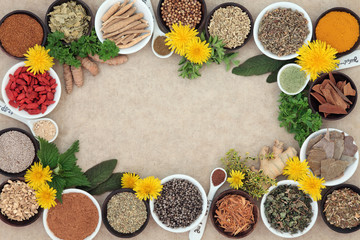
Nestled in the heart of Uttar Pradesh, in the historic town of Mau, lies Bapu Ayurvedic Medical College & Hospital (BAMCH). Established with a vision to revive and propagate the timeless principles of Ayurveda, BAMCH has emerged as a premier institution blending traditional knowledge with contemporary medical standards. Named in honor of Mahatma Gandhi—affectionately called "Bapu"—the college embodies Gandhian values of simplicity, self-reliance, and service to humanity.
This blog post delves deep into the legacy, infrastructure, academic programs, clinical facilities, research initiatives, and community impact of Bapu Ayurvedic Medical College & Hospital. Whether you're a prospective student, a healthcare professional, or simply curious about Ayurveda's role in today's world, join me on this enlightening journey through one of Uttar Pradesh's hidden gems in medical education.
Historical Foundations: From Vision to Reality
The story of Bapu Ayurvedic Medical College & Hospital begins in the early 2000s, a period when Ayurveda was gaining renewed momentum in India. The Government of India, through the Ministry of AYUSH (Ayurveda, Yoga & Naturopathy, Unani, Siddha, and Homeopathy), launched initiatives to standardize and promote traditional systems of medicine. It was against this backdrop that a group of visionary philanthropists, Ayurvedic scholars, and local leaders in Mau decided to establish an institution dedicated to Ayurvedic excellence.
Mau, a district known for its rich cultural heritage and textile industry, lacked advanced medical facilities, particularly in alternative medicine. The founders drew inspiration from Mahatma Gandhi's emphasis on swadeshi (self-reliance) and rural development. They envisioned a college that would not only train skilled Ayurvedic practitioners but also serve the underserved populations of eastern Uttar Pradesh.
Officially inaugurated in 2005, BAMCH started modestly with a Bachelor of Ayurvedic Medicine and Surgery (BAMS) program. The institution is affiliated with Mahayogi Guru Gorakhnath AYUSH University, Gorakhpur, and recognized by the National Commission for Indian System of Medicine (NCISM). Over the years, it has expanded its footprint, obtaining approvals for postgraduate courses and hospital services.
Today, BAMCH stands on a sprawling 25-acre campus, symbolizing growth from humble beginnings. The college's motto, "Sarve Bhavantu Sukhinah" (May all beings be happy), reflects its commitment to holistic well-being. Historical milestones include:
2005: Inception with 50 BAMS seats.
2010: Launch of 100-bed hospital.
2015: Introduction of MD/MS programs in key specialties.
2020: Accreditation for research center status amid the COVID-19 pandemic, focusing on Ayurvedic immunity boosters.
2023: Expansion to 150 BAMS seats and integration of digital learning tools.
This evolution underscores BAMCH's adaptability while staying true to Ayurvedic roots.
Campus Infrastructure: A Blend of Tradition and Modernity
Walking through the gates of Bapu Ayurvedic Medical College & Hospital feels like entering a serene ashram fused with a state-of-the-art medical facility. The campus is designed according to Vastu Shastra principles, promoting positive energy flow and harmony with nature.
Academic Blocks
The main academic building houses spacious classrooms equipped with smart boards, audio-visual aids, and high-speed Wi-Fi. Lecture halls accommodate up to 200 students, facilitating interactive sessions. A central library spans 10,000 square feet and stocks over 15,000 volumes, including rare ancient manuscripts like the Charaka Samhita, Sushruta Samhita, and Ashtanga Hridayam. Digital resources include subscriptions to PubMed, AYUSH Research Portal, and e-journals on herbal pharmacology.
Separate departments for each Ayurvedic specialty—such as Kayachikitsa (Internal Medicine), Shalya Tantra (Surgery), and Panchakarma (Detoxification)—feature dedicated labs. The anatomy dissection hall is a highlight, with cadaver preservation facilities adhering to ethical guidelines.
Herbal Garden and Pharmacy
A 5-acre herbal garden cultivates over 500 species of medicinal plants, including rare ones like Ashwagandha, Tulsi, Brahmi, and Neem. Students participate in cultivation, harvesting, and identification, bridging theory with practice. The on-campus pharmacy manufactures GMP-certified (Good Manufacturing Practice) medicines, producing tablets, oils, decoctions, and churnas (powders) used in hospital treatments.
Hostel and Amenities
Gender-segregated hostels accommodate 500 students with amenities like messes serving sattvic (pure) vegetarian meals, gymnasiums, yoga halls, and recreation rooms. Eco-friendly initiatives include solar panels, rainwater harvesting, and waste segregation, aligning with Ayurveda's emphasis on environmental harmony.
The infrastructure supports a conducive learning environment, earning BAMCH an 'A' grade in NAAC assessments for its facilities.
Academic Programs: Nurturing Future Healers
BAMCH offers a robust curriculum designed to produce competent Ayurvedic physicians. The flagship program is the Bachelor of Ayurvedic Medicine and Surgery (BAMS), a 5.5-year course (including a 1-year internship).
BAMS Curriculum Breakdown
Year Key Subjects Clinical Exposure: 1st Sanskrit, Padartha Vigyan, History of Ayurveda, Anatomy Basic herb identification 2nd: Physiology, Dravyaguna (Pharmacology), Rasashastra (Alchemy), Pharmacy visits 3rd Pathology, Toxicology, Agadtantra OPD rotations 4th Kayachikitsa, Shalya, Shalakya (ENT & Ophthalmology) IPD case studies Internship Full-time hospital duty: 1,000+ patient interactions
The syllabus integrates modern subjects like biochemistry, microbiology, and forensic medicine, ensuring graduates are versatile. Admission is through NEET-UG, with 150 seats (85% state quota, 15% management).
Postgraduate options include MD/MS in Ayurveda (3 years) in specialties like
Panchakarma
Rasashastra & Bhaishajya Kalpana
Swasthavritta (Preventive Medicine)
Prasuti Tantra & Stri Roga (Obstetrics & Gynecology)
PhD programs focus on research in Ayurvedic oncology, neurology, and geriatrics. The faculty comprises 50+ experienced professors, many with international publications. Teaching methodologies include bedside clinics, seminars, and field trips to Ayurvedic hubs like Kerala.
Student testimonials highlight the hands-on approach: "The internship at BAMCH transformed me from a student to a confident practi