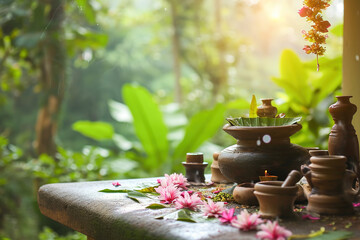
Imagine a campus where the air hums with the scent of medicinal herbs, lecture halls echo with discussions on doshas (Vata, Pitta, and Kapha), and students practice Panchakarma under expert guidance. With its state-of-the-art 250-bed hospital, lush herbal garden, and affiliation to the prestigious Mahayogi Guru Gorakhnath AYUSH University, Amrapali is more than a college—it's a sanctuary for future Vaidyas (Ayurvedic physicians).
The Roots of Revival: History and Establishment
Amrapali Ayurvedic Medical College & Hospital didn't emerge in isolation; it's a product of Uttar Pradesh's bold vision to reclaim Ayurveda's heritage amid a fast-paced world. Established in 2020, the institution was founded under the aegis of the Uttar Pradesh Act No. 6 of 2020, which birthed the Mahayogi Guru Gorakhnath AYUSH University in Gorakhpur—a dream project of Chief Minister Yogi Adityanath. This university, spanning 52 hectares, specializes in Ayurveda, Yoga, Naturopathy, Unani, Siddha, and Homeopathy (AYUSH), aiming to blend ancient knowledge with modern research through regular, virtual, and distance learning modes.
The college's inception reflects a broader national push. Post-independence, Ayurveda faced dilution from Western influences, but initiatives like the National AYUSH Mission have fueled its resurgence. Amrapali stepped in to bridge this gap, approved by the National Commission for the Indian System of Medicine (NCISM). Located in Behta Mujawar, Bangarmau, Unnao—about 30 km from Lucknow—the campus embodies accessibility and tranquility. Unnao, with its historical ties to the Nawabs and proximity to the Ganges, provides an ideal backdrop for Ayurvedic studies, where students can draw inspiration from nature's pharmacy.
While specific founders aren't publicly highlighted, the institution's ethos is clear: "Restore the glory of Ayurveda through quality education imparted to hungry minds." From humble beginnings with a focus on BAMS (Bachelor of Ayurvedic Medicine and Surgery), Amrapali has grown into a 250-bed hospital hub, offering OPD services and specialized Panchakarma units. By 2025, it had become a top private Ayurvedic college in UP, boasting a 4.7/5 rating on platforms like Justdial based on 39 reviews praising its infrastructure and faculty. This rapid ascent underscores UP's commitment to AYUSH, with Amrapali at the forefront, training over 60 students annually in holistic healing.
In just five years, Amrapali has hosted wellness camps, yoga workshops, and research collaborations, evolving from a fledgling college to a community anchor. Its story is one of resilience—echoing Ayurveda's own principle of adapting to seasons while staying rooted.
Academic Excellence: Programs and Curriculum
At the heart of Amrapali lies its flagship BAMS program, a rigorous 5.5-year journey (4.5 years academic + 1-year internship) that molds students into competent Ayurvedic practitioners. With an intake of 60 seats, the course covers everything from foundational Samhitas (ancient texts like Charaka and Sushruta) to contemporary integrations like Ayurgenomics. The curriculum, aligned with NCISM guidelines, balances theory, practicals, and clinical exposure, ensuring graduates are versatile healers.
First-year students delve into Padartha Vigyan (Ayurvedic philosophy) and Sanskrit, building a philosophical bedrock. By second year, they tackle Rachna Sharir (anatomy) and Kriya Sharir (physiology), dissecting cadavers in dedicated halls to understand Prakriti (body constitution). Third and fourth years shift to clinical subjects: Kayachikitsa (internal medicine), Shalya Tantra (surgery), and Prasuti Tantra (gynecology), with hands-on training in herbal formulations and detoxification therapies.
What sets Amrapali apart is its emphasis on research and innovation. Students engage in projects on sustainable herb cultivation or Ayurvedic management of lifestyle diseases like diabetes—prevalent in urban India. The program also incorporates yoga and naturopathy, reflecting the university's holistic mandate. Electives in Siddha or Unani broaden horizons, preparing graduates for diverse careers: from private clinics to wellness resorts or even international roles in integrative medicine.
Amrapali's academics aren't rote learning; they're a dialogue with nature, fostering critical thinkers who can adapt Ayurveda to modern epidemics like stress and pollution.
Navigating Admissions: Your Path to Amrapali
Securing a seat at Amrapali is competitive yet straightforward, hinging on the National Eligibility cum Entrance Test (NEET) UG. Aspiring candidates must score at least 50% in Class 12 PCB (40% for reserved categories) and be 17+ by December 31. Post-NEET, Uttar Pradesh Ayush NEET Counselling—conducted by the UP State Ayush Society—allocates seats via merit lists. edufever.com
The 2025-26 cycle opens in July, with registrations via the official portal. Round 1 includes choice-filling for colleges like Amrapali; mop-up rounds follow for stray vacancies. Documents? NEET scorecard, 10th/12th marksheets, caste certificate, and migration proof.
A Sanctuary of Learning: Campus and Facilities
Amrapali's campus is a testament to thoughtful design, sprawling over 29,973 sq m for academics and 38,633 sq m for the hospital—equating to a verdant oasis amid Unnao's fields. The administrative block anchors 14 specialized departments, from Dravyaguna (pharmacology) to Rasashastra (alchemy), each with demo rooms for interactive learning.
Lecture halls, ventilated and AV-equipped, seat 100+, fostering dynamic sessions. Labs shine: physiology boasts biofeedback machines, while pathology integrates digital microscopy. The dissection hall, ventilated and ethical, supports Sharir Rachana studies. Behind it lies the herbal garden—a 250-plant haven of Ashwagandha, Tulsi, and rare species—where students harvest for practicals, embodying Ayurveda's farm-to-pharmacy ethos. edutechagra.com
The 250-bed hospital is the crown jewel: a 120-bed IPD, an OPD with 20+ specialties, and dedicated Panchakarma suites for therapies like Abhyanga (oil massage) and Virechana (purgation). Yoga and physiotherapy centers complement each other, treating 200+ outpatients daily. Emergency services run 24/7, blending Ayurveda with allopathy for holistic care.
Living quarters impress: three boys' hostels (AC, Wi-Fi) and one for girls, plus staff residences. The