Nestled along National Highway 29 in the serene village of Awakarpur, Saheri, this institution isn't just a college; it's a living testament to the fusion of timeless wisdom and contemporary science. Spanning a sprawling 100-acre campus, S.G.M. Unani Medical College offers aspiring doctors a sanctuary where they can immerse themselves in the art of Unani healing while preparing for the demands of today's healthcare landscape. Whether you're a prospective student eyeing the NEET-UG exam, a parent seeking quality medical education, or simply a wellness enthusiast curious about alternative medicine, this blog post will take you on a comprehensive journey through the college's history, programs, facilities, and much more.
The Roots of Resilience: History and Foundation of S.G.M. Unani
Every great institution has a story, and S.G.M. Unani's begins with vision and determination. Founded in 1994 by the esteemed Dr. Mohd. Azam Quadri, a pioneering figure in minority education and healthcare, the college emerged during a time when traditional Indian medical systems like Unani, Ayurveda, and Siddha were often overshadowed by allopathic dominance. Dr. Quadri, driven by a passion to preserve and propagate Unani medicine—a system tracing its origins to Hippocrates, Galen, and Islamic scholars like Avicenna—established the Sham-e-Ghausia Minority Unani Medical College & Hospital as part of the broader Sham-e-Ghausia educational group. The name "Sham-e-Ghausia" pays homage to the Sufi saint Ghawth-e-Azam, symbolizing enlightenment and guidance, much like the illuminating principles of Unani.
From its humble beginnings in Nandganj, Ghazipur, the college quickly relocated to its current idyllic location in Saheri, a peaceful rural pocket of eastern Uttar Pradesh. This move was strategic: Ghazipur's lush landscapes and proximity to the Ganges River provide an ideal backdrop for studying nature-based therapies. By 1999, the institution had solidified its reputation for excellence in Unani education, research, and patient care, as highlighted on its official portal. Affiliated with the Mahayogi Guru Gorakhnath AYUSH University, Gorakhpur, and recognized by the National Commission for Indian System of Medicine (NCISM), S.G.M. has grown into a private minority institution that prioritizes accessible education for underrepresented communities.
Over the years, S.G.M. has weathered challenges—from the resource strains during the 2021 COVID-19 surge to evolving regulatory landscapes—but emerged stronger. Today, it boasts over 500 successful alumni practicing across India and abroad, contributing to a network that's not just professional but familial. The college's mission is clear: to shape future healthcare leaders who blend Unani's holistic ethos with evidence-based practices. As Dr. Quadri envisioned, it's about more than degrees; it's about igniting a legacy of compassionate healing.
Academic Excellence: Programs That Bridge Ancient and Modern
At the core of S.G.M. Unani Medical College lies its flagship program: the Bachelor of Unani Medicine and Surgery (BUMS). This undergraduate degree isn't your run-of-the-mill medical course; it's a 5.5-year odyssey (4.5 years of rigorous academics plus a mandatory one-year internship) designed to forge competent Unani physicians. With an intake of 40 seats annually, the program is selective, ensuring a close-knit learning environment where faculty can mentor each student intimately.
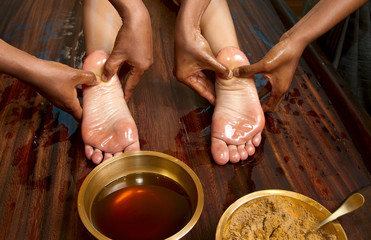
The BUMS curriculum is a masterful tapestry of theory, practice, and innovation. Drawing from Unani's foundational texts like the Canon of Medicine by Avicenna, it covers seven key departments: Ilmul Advia (Pharmacology), Moalajat (Internal Medicine), Amraz-e-Niswan-wa-Atfal (Gynecology and Pediatrics), Tahaffuzi-wa-Samaji Tibb (Preventive and Community Medicine), and more. Students delve into the four humors (blood, phlegm, yellow bile, and black bile), pulse diagnosis (nabz), and regimental therapies like cupping (hijama) and massage (dalk). But S.G.M. doesn't stop at tradition—modern integrations include anatomy via cadavers, biochemistry labs, and even pathology aligned with allopathic standards.
Eligibility is straightforward yet competitive: Candidates must be at least 17 years old by December 31 of the admission year, have cleared Class 12 with Physics, Chemistry, and Biology (minimum 50% aggregate, with relaxations for reserved categories), and qualify for the National Eligibility cum Entrance Test (NEET-UG). Beyond BUMS, the college offers diploma and paramedical courses in areas like Unani pharmacy and nursing, catering to auxiliary healthcare roles.
What sets S.G.M.'s academics apart is the emphasis on research. Students are encouraged to explore herbal formulations, clinical trials on Unani interventions for chronic ailments like diabetes and arthritis, and even interdisciplinary studies with Ayurveda (thanks to the affiliated S.G.M. PG Ayurvedic College). With over 1,200 students currently enrolled and a faculty-to-student ratio that fosters personalized guidance, the college ensures graduates are not just knowledgeable but adaptable—ready to thrive in government AYUSH centers, private clinics, or global wellness hubs.
A Sanctuary of Learning: Campus Life and World-Class Facilities
Step onto the 100-acre campus of S.G.M. Unani, and you're greeted by verdant lawns, herbal gardens teeming with Unani staples like neem, aloe, and majoon ingredients, and air perfumed by blooming tulsi. This isn't just a college; it's a therapeutic retreat designed to embody Unani's principles of environmental harmony.
Infrastructure shines bright: state-of-the-art labs for pharmaceutics (where students compound majoon and qurs), dissection halls for anatomy, and multimedia classrooms for interactive lectures. The library, a treasure trove with over 7,000 books, journals, and digital resources on Unani classics and modern pharmacology, is a student's haven—open late with cozy reading nooks.
Living quarters are a highlight: separate hostels for boys and girls, each with airy rooms, attached baths, Wi-Fi, and 24/7 security. Mess facilities serve nutritious, Unani-inspired meals—think barley khichdi for phlegm balance or ginger-infused chai for digestion. Sports complexes for cricket, volleyball, and yoga pavilions promote the Unani tenet of "six essentials" (air, food, sleep, movement, evacuation, and retention). An auditorium hosts seminars, cultural fests, and guest lectures from luminaries like Dr. Anis A. Khan of Jamia Hamdard.
Student life buzzes with vibrancy. The Unani Literary Society debates ancient texts, while the Herbal Research Club experiments with sustainable farming. Annual events like the "Unani Utsav" s