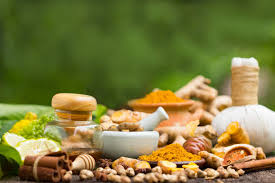
Established in 2013, HAMRC has grown into a premier institution dedicated to blending ancient Ayurvedic principles with contemporary medical practices. Managed by the Hasnu Ahmed Memorial Educational & Charitable Society—a registered entity under the Societies Registration Act of 1860—this minority institute is ISO-certified and recognized by the National Commission for Indian System of Medicine (NCISM). Affiliated with Uttarakhand Ayurved University (UAU) in Dehradun, it offers a sanctuary for aspiring healers to immerse themselves in the profound depths of Ayurveda.
A Legacy Born from Devotion: History and Establishment
Haridwar's connection to Ayurveda dates back millennia, with texts like the Charaka Samhita and Sushruta Samhita revering the region as a hub for herbal lore and yogic practices. The city's name itself—"Gateway to the Gods"—evokes a divine alignment of body, mind, and spirit, making it an ideal birthplace for an institution like HAMRC.
Founded in 2013 by the Hasnu Ahmed Memorial Educational & Charitable Society, HAMRC emerged from a vision to democratize Ayurvedic knowledge in an era dominated by allopathic medicine. The society, honoring the legacy of philanthropist Hasnu Ahmed, aimed to preserve and propagate India's vast Ayurvedic and Unani potential. Starting modestly on a 15-kilometer stretch of the Laksar-Haridwar National Highway (NH-58), the campus sprawls across lush greenery, just 15 km northward from Haridwar's bustling heart. This strategic location offers serenity—surrounded by blooming trees and distant Himalayan views—while remaining accessible via road and rail.
The establishment wasn't without challenges. Early years involved navigating regulatory hurdles and building infrastructure in a region prone to monsoons. Yet, the society's commitment to quality—evidenced by ISO certification—propelled growth. By 2020, amid the global pandemic, HAMRC pivoted to integrate Ayurvedic immunity boosters like Giloy and Tulsi into community outreach, solidifying its role as a health sentinel. This history isn't just about bricks and approvals; it's a narrative of resilience, mirroring Ayurveda's own evolution from Vedic scriptures to modern clinics.
Academic Excellence: Programs and Curriculum
At the core of HAMRC's offerings is the Bachelor of Ayurvedic Medicine and Surgery (BAMS), a flagship 5.5-year undergraduate program (including a one-year compulsory rotatory internship). Designed to produce "Ayurvedacharyas"—proficient physicians blending Ashtanga Ayurveda (the eight branches) with scientific advancements—the curriculum is rigorous yet holistic.
The BAMS intake is capped at 60 seats annually, fostering an intimate learning environment. Students dive into foundational subjects like Samhita (ancient texts), Dravyaguna (pharmacology), and Rachana Sharira (anatomy), progressing to clinical rotations in the third year. The final year emphasizes practical training in government Ayurvedic and allopathic hospitals, ensuring graduates are versatile. As per NCISM guidelines, the program integrates modern diagnostics like ECG and ultrasound alongside Panchakarma therapies, preparing students for a hybrid healthcare landscape.
Beyond BAMS, HAMRC extends paramedical courses: Diploma in Ayurvedic Pharmacy, Panchakarma, and Nursing. These one- to two-year programs cater to auxiliary roles, with hands-on modules in herb processing and therapeutic massages. For Unani enthusiasts, a BUMS (Bachelor of Unani Medicine and Surgery) option adds diversity, reflecting the society's dual focus on Ayurveda and Unani systems.
What sets HAMRC's curriculum apart is its emphasis on research. Students engage in projects on herbal formulations for lifestyle diseases, often published in UAU journals. Guest lectures from NCISM experts and workshops on Ayurgenomics (Ayurveda's genomic integration) keep the program cutting-edge. Graduates emerge not just as doctors but as advocates for preventive health, armed with skills to combat chronic issues like diabetes and stress—ailments plaguing 2025's fast-paced world.
Departments: Pillars of Specialized Healing
HAMRC's academic backbone comprises seven core departments, each a microcosm of Ayurveda's multifaceted approach. These units not only drive classroom learning but also fuel hospital operations, ensuring theory meets practice.
Kayachikitsa (Internal Medicine): The flagship department focuses on chronic diseases using herbal detox and lifestyle modifications. Faculty here specialize in Rasayana (rejuvenation) therapies, treating everything from arthritis to hypertension.
Panchakarma: Renowned for detoxification, this department offers immersive training in Vamana (emesis), Virechana (purgation), and Basti (enema). Students master oil massages (Abhyanga) and steam therapies (Swedana), vital for modern detox retreats.
Shalya Tantra (Surgery): Blending ancient Kshara Sutra (caustic thread) techniques with minimally invasive procedures, it equips students for surgical Ayurveda, including proctology and wound care.
Shalakya Tantra (ENT & Ophthalmology): Covering Netra Roga (eye disorders) and Shiro-Nasa-Mukha Roga (head, nose, and throat), this department addresses sinusitis and cataracts with medicated oils and nasal irrigations.
Prasuti & Stri Roga (Obstetrics & Gynecology): Empowering women's health, it teaches prenatal Garba Raksha (fetal protection) and postnatal care, integrating yoga for natural births.
Kaumarbhritya (Pediatrics): Focused on child wellness, from neonatal herbs to immunization alternatives, it promotes Balamrut formulations for immunity.
ENT & Dental: A hybrid unit handling oral health with Kavala (gargling) and dental extractions using Ayurvedic anesthetics.
Additional departments like Swasthavritta (preventive medicine) and Yoga round out the list, with plans for expansion into Agad Tantra (toxicology) by 2026. Each is staffed by MD/PhD-qualified experts, boasting low student-faculty ratios for personalized mentorship. These departments aren't silos; interdisciplinary seminars encourage cross-pollination, like combining Panchakarma with Shalya for post-surgical recovery.
The Healing Heart: Hospital and Clinical Exposure
No Ayurvedic college thrives without a robust hospital, and HAMRC's 100+ bed facility is its crown jewel. Operational since 2014, the hospital serves over 500 OPD patients daily, blending free consultations with affordable IPD care. Located on campus, it's a 24/7 hub for Ashtanga-based treatments, from Nadi Pariksha (pulse