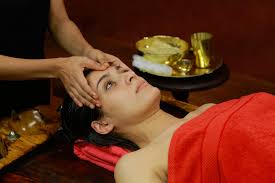
Established in 2020, this pioneering college is not just an educational hub but a testament to the enduring relevance of Ayurveda in contemporary wellness. Nestled in the serene environs of Balaghat, a district renowned for its mineral-rich soils and biodiversity, the college blends ancient doctrines with modern pedagogical tools. Whether you're an aspiring healer drawn to the rhythmic pulse of Panchakarma therapies or a parent scouting the perfect launchpad for your child's medical career, this institution promises a transformative journey. In this in-depth exploration, we'll delve into its history, academics, facilities, and much more, uncovering why Sardar Patel Ayurvedic Medical College stands as a premier choice for BAMS aspirants.
The Genesis: History and Vision Behind the College
The story of Sardar Patel Ayurvedic Medical College begins with a visionary commitment to bridging tradition and innovation. Founded under the aegis of Vindhya Shiksha Samiti Balaghat, the college emerged as the first Ayurvedic medical institution in the Mahakaushal region of Madhya Pradesh. This strategic establishment addressed a long-standing gap in specialized Ayurvedic education in central India, where access to such programs was previously limited to distant urban centers like Bhopal or Indore.
Sardar Patel University, the parent body, was itself a milestone achievement. Enacted through the Madhya Pradesh Niji Vishwavidyalaya (Sthapana Avam Sanchalan) Sanshodhan Adhiniyam, 2011, the university received its formal assent in July 2018, evolving into a state private university under Section 2(f) of the UGC Act 1956. With a sprawling 150-acre campus at Sardar Patel Knowledge City, the university encompasses diverse disciplines, from engineering and agriculture to pharmacy and nursing, fostering an interdisciplinary ecosystem. The Ayurvedic Medical College, as a constituent unit, benefits immensely from this integrated framework, allowing students to explore synergies between Ayurveda and allied sciences like pharmacology.
The naming honors Sardar Vallabhbhai Patel, India's Iron Man, whose legacy of unity and resilience mirrors the college's ethos. Under the leadership of Chancellor Shri Diwakar Singh and Director Dr. Manjeet Singh, the institution has rapidly scaled up, earning approvals from the National Commission for the Indian System of Medicine (NCISM). In just five years, it has grown from inception to a 100-seat powerhouse, symbolizing Madhya Pradesh's push toward self-reliant healthcare education. This rapid ascent isn't coincidental; it's fueled by a mission to produce "Ayurvedacharyas" who can revive community-based healing in rural India, where 70% of the population still relies on traditional medicine.
As Balaghat grapples with health challenges like vector-borne diseases amid its tropical climate, the college's focus on preventive Ayurveda aligns perfectly with regional needs. Early milestones include hosting medical awareness camps and collaborating with local NGOs, laying the groundwork for community outreach that extends far beyond lecture halls.
Prime Location: Where Nature Meets Nurture
Picture this: rolling hills dotted with sal forests, the Wainganga River murmuring in the distance, and air perfumed by wild mahua blossoms. Balaghat, often called the "Manganese Capital of India," isn't just an industrial hub—it's a natural sanctuary that inspires Ayurvedic principles of harmony with Prakriti (nature). The college's address at Sardar Patel Knowledge City, Waraseoni Road, Dongariya—merely 7 km from Balaghat Railway Station—ensures accessibility without sacrificing tranquility.
This strategic positioning, en route to Waraseoni, connects students to both urban amenities and rural immersion sites. The campus sprawls across verdant grounds, offering a microcosm of Ayurveda's elemental balance: vast green spaces for yoga, herbal gardens mimicking Vedic Vanaushadhi (forest medicine), and eco-friendly architecture that minimizes environmental footprint. Proximity to Balaghat's teak-dominated Pench Tiger Reserve further enriches experiential learning, with field trips to study native flora like neem and tulsi, integral to Ayurvedic formulations.
For outstation students, the location is a boon—Jabalpur Airport is a mere 200 km away, and Nagpur is just 150 km. This blend of seclusion and connectivity fosters a focused yet vibrant student life, away from the distractions of metropolitan chaos.
Academic Excellence: Programs and Curriculum
At the core of Sardar Patel Ayurvedic Medical College is its flagship Bachelor of Ayurvedic Medicine and Surgery (BAMS) program—a rigorous 5.5-year odyssey divided into 4.5 years of academics and a 1-year compulsory internship. With an intake of 100 seats, the course adheres to NCISM guidelines, ensuring a standardized yet innovative curriculum that integrates classical texts like Charaka Samhita with evidence-based research.
The program spans 15 departments, from Kayachikitsa (internal medicine) to Shalya Tantra (surgery), each emphasizing hands-on training. First-year students dive into foundational sciences—Anatomy, Physiology, and Sanskrit—to grasp Ayurveda's linguistic roots. By the third year, they tackle specialized therapies like Rasashastra (Ayurvedic alchemy) and Dravyaguna (pharmacology of herbs), often through lab simulations of Panchakarma procedures.
What sets the curriculum apart are its forward-thinking electives, such as Ayurveda in Lifestyle Disorders, addressing modern epidemics like diabetes and stress. Guest lectures from national experts and university-wide electives in nutrition from the School of Agriculture Science add interdisciplinary depth. Assessment blends theory exams with practical viva, clinical postings, and thesis work, preparing graduates for the AYUSH ecosystem.
For postgraduate aspirations, while PG seats are nascent, the college's affiliation paves the way for MD/MS in Ayurveda, with plans for specialized clinics in Panchakarma and Prasuti Tantra (obstetrics). Enrollment data from 2025 shows a diverse cohort: 60% from Madhya Pradesh, with growing representation from neighboring states, reflecting the program's regional appeal.
Navigating Admissions: Your Gateway to BAMS
Securing a seat at Sardar Patel Ayurvedic Medical College is a merit-driven process, anchored by the National Eligibility cum Entrance Test (NEET) UG. Aspiring candidates must have completed 10+2 in the science stream with at least 50% aggregate in physics, chemistry, and biology (40% for reserved categories). NEET qualification is