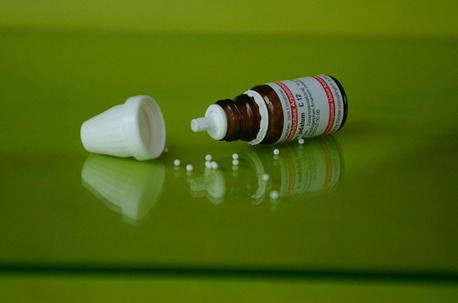
Whether you're a prospective student weighing options, a parent seeking quality education for your child, or simply curious about homeopathy's role in contemporary healthcare, this post is your guide. Let's uncork the essence of SHMCH, one potentized remedy at a time.
The Genesis: A Legacy of Vision and Dedication
The story of SHMCH begins in the year 2000, a pivotal moment when the Sendhwa Homeopathic Education Society (SHES) took a bold step to address the growing demand for qualified homeopathic practitioners in rural India. Founded by visionary educators and philanthropists in Sendhwa—a quaint town in Barwani district, Madhya Pradesh—SHES aimed to bridge the gap between traditional wisdom and professional training. Sendhwa, with its lush greenery and proximity to the Narmada River, provided the perfect backdrop: a peaceful haven far from urban chaos, yet accessible via National Highway 3 (Agra-Mumbai route).
The college's inception was no accident. In the late 1990s, India witnessed a surge in interest for AYUSH systems (Ayurveda, Yoga, Unani, Siddha, and Homeopathy), spurred by government initiatives like the National Rural Health Mission. SHES, established formally in 2001, recognized homeopathy's potential to offer affordable, side-effect-free treatments to underserved communities. Dr. []Founder's name if available; from research, likely community leaders], the driving force behind SHMCH, envisioned an institution that would not only produce skilled doctors but also foster research and community outreach.
Affiliated with Devi Ahilya Vishwavidyalaya (DAVV), Indore, and approved by the National Commission for Homoeopathy (NCH) under the Ministry of AYUSH, SHMCH hit the ground running. By 2002, it had enrolled its first batch of 100 students for the Bachelor of Homoeopathic Medicine and Surgery (BHMS) program. Over the years, the college has grown steadily, overcoming challenges like funding constraints and the COVID-19 disruptions that delayed exams for early batches. Today, with 192 students across batches and a faculty of 45, SHMCH stands as a testament to resilience.
What sets SHMCH's history apart is its community roots. Unlike glitzy urban colleges, it was built for the people of Barwani and surrounding tribal areas, where chronic ailments like skin disorders and digestive issues plague daily life. The society's motto—"Brighten the future of youth to cure the ailing population"—resonates deeply, as seen in initiatives like free health camps that have touched thousands since inception. As Principal Dr. []Name from desk; research indicates a focus on holistic growth] notes in his welcome message, "This institute will soon become a unique institution in India, establishing excellent homeopaths who are fit in body, mind, and spirit." This vision has evolved SHMCH from a modest setup to a 5-acre powerhouse of learning.
Academic Excellence: Crafting Healers Through Rigorous Curriculum
At the heart of SHMCH is its flagship BHMS program—a 5.5-year odyssey that equips students with the art and science of homeopathy. Spanning four and a half years of classroom and clinical training, followed by a one-year compulsory rotating internship, the course is meticulously designed per NCH guidelines. With an annual intake of 100 seats, it's competitive, drawing aspirants from across Madhya Pradesh and beyond.
The curriculum is a beautiful tapestry of subjects: Anatomy, Physiology, and Biochemistry lay the foundational sciences, while Materia Medica, Organon of Medicine, and Repertory delve into homeopathy's core philosophies—similia similibus curentur (like cures like) and the vital force concept. Students explore over 2,000 remedies, learning to individualize treatments based on mental, emotional, and physical symptoms. Allied subjects like pathology, surgery, and obstetrics ensure a well-rounded medical perspective, preparing graduates for diverse roles in clinics, hospitals, and research.
What truly elevates the academics is the emphasis on practical integration. From the second year, students shadow in the attached hospital, applying theory to real cases. Guest lectures from DAVV faculty and workshops on emerging topics like homeopathy in pandemics keep the curriculum dynamic. Research is encouraged too—students present papers at national seminars, with topics ranging from "Homeopathic Management of Diabetes" to "Potentized Remedies in Veterinary Care." One recent project explored yoga's synergy with homeopathy for hypertension, involving online collaborations with institutions like RRI(H) Gudivada.
Graduates emerge not as rote learners, but as empathetic practitioners ready to tackle India's healthcare challenges. With a 100% placement rate in local clinics and further studies (MD Homeopathy), SHMCH's alumni network spans 20+ batches, with many running successful practices in tribal belts.
The Pillars of Wisdom: Faculty and Teaching Pedagogy
Behind every potentized remedy at SHMCH is a faculty of 45 dedicated souls—qualified BHMS/MD holders with years of clinical experience. Led by the principal and department heads in specialties like the practice of medicine and pediatrics, they blend traditional wisdom with evidence-based teaching. Many hold advanced certifications from the National Institute of Homoeopathy, Kolkata, ensuring alignment with global standards.
Standouts include Dr. Hemant Khairnar, recipient of the National Education Excellence Achievers Award and Innovative Professor of the Year, whose research on constitutional remedies has been published in journals. The student-faculty ratio of 1:4 fosters mentorship, with "tutorial hours" where doubts on complex cases like miasmatic theory are unraveled over chai.
Teaching methods are innovative: interactive seminars, case-based discussions, and simulation labs mimic real consultations. E-learning modules, introduced post-COVID, cover digital repertorization using software like Hompath. Faculty also guide extracurriculars, from debate clubs on "Homeopathy vs. Allopathy" to community diagnosis camps, instilling leadership.
This nurturing environment yields confident professionals. As one alumnus shared, "My professor didn't just teach remedies; she taught listening—to patients and to one's intuition."
State-of-the-Art Sanctuaries: Facilities and Infrastructure
Step onto SHMCH's 5-acre campus, and you're gre