Why Homes Face Unique Fire Risks
Individual homes combine multiple ignition sources within compact spaces. Cooking appliances, electrical wiring, portable heaters, candles, and charging devices all coexist in close proximity to furniture, fabrics, and stored items. Over time, informal modifications such as additional plug points, temporary wiring, or overloaded sockets quietly increase risk.
Unlike workplaces, homes do not have dedicated safety teams. Early warning signs are often missed, especially during night hours or when occupants are away. Fire safety planning at home must focus on prevention, early detection, and quick first response rather than complex systems.
At this stage, homeowners increasingly look to experienced providers such as I Focus Solutions
for guidance on residential fire safety solutions that balance effectiveness with simplicity.
Designing Fire Safety Around Daily Home Routines
Fire safety in homes works best when it aligns with daily routines. Kitchens, living rooms, bedrooms, and parking areas each require different attention. Cooking-related fires remain one of the leading causes of residential incidents, making kitchen safety a priority. Simple practices such as maintaining clear space around stoves and switching off appliances after use significantly reduce risk.
Electrical safety is equally important. Aging wiring, loose connections, and excessive use of extension cords are common in homes and often overlooked. Periodic checks and disciplined usage habits form the foundation of residential fire prevention.
First-Response Readiness Inside Homes
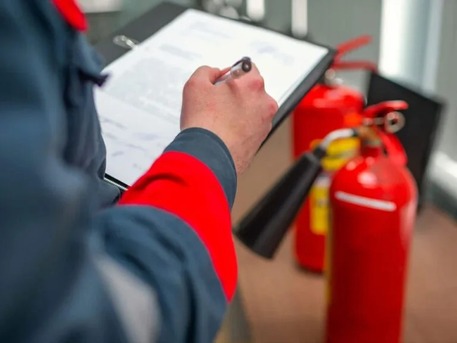
In individual homes, the first few minutes of a fire incident are critical. Portable fire extinguishers often provide the only immediate response option before emergency services arrive. Their effectiveness depends entirely on accessibility and functionality.
Routine services such as fire extinguisher refill
ensure that extinguishers remain pressurized and ready for use. In residential settings, extinguishers are often forgotten after installation, making regular servicing essential for true preparedness.
Awareness and Preparedness for Family Members
Fire safety at home extends beyond equipment. Every family member should understand basic response actions, including how to exit safely, where to assemble, and when not to attempt firefighting. Children, elderly residents, and guests require special consideration, as their response capabilities differ.
Simple evacuation plans, clear exit paths, and basic drills help reinforce preparedness without creating anxiety. Awareness ensures calm and coordinated action during emergencies.
Key Fire Safety Practices for Individual Homes
Homeowners who manage fire risk effectively typically focus on the following practices:
Kitchen Discipline: Keeping cooking areas clean and unattended cooking to a minimum
Electrical Safety: Avoiding overloaded sockets and damaged wiring
Early Detection: Installing and maintaining smoke alarms in key areas
First-Response Tools: Keeping accessible and serviced fire extinguishers
Clear Exits: Ensuring doors, windows, and stairways remain unobstructed
These measures collectively reduce both the likelihood and severity of residential fires.
Long-Term Value of Residential Fire Safety
Investing in home fire safety protects more than property. It safeguards lives, memories, and long-term financial stability. Insurance claims, structural repairs, and emotional impact often far exceed the cost of preventive measures.
Professional fire safety partners add value by helping homeowners identify hidden risks and implement practical controls suited to individual living spaces. Their expertise ensures safety measures remain effective as homes evolve over time.
Conclusion
Fire safety for individual homes is built on awareness, preparedness, and simple preventive actions. By integrating safety into daily routines, maintaining first-response equipment, and educating household members, homeowners can significantly reduce fire risk. As modern homes incorporate more electrical devices and conveniences, proactive residential fire safety planning will remain essential for creating secure and resilient living environments.
For the more information: https://ifsind.com/