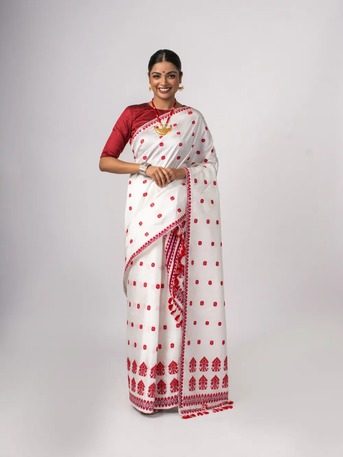
Assamese silk has long been admired for its elegance and cultural value, but in recent years, its influence has expanded beyond traditional clothing. Today, this heritage fabric is finding a place in modern lifestyles, inspiring conscious living, sustainable choices, and an appreciation for handcrafted excellence. As people move away from mass-produced goods, textiles rooted in tradition are gaining renewed relevance.
Assamese silk reflects a lifestyle that values patience, craftsmanship, and authenticity. Its natural textures and timeless appeal make it suitable not only for garments but also as a symbol of refined living.
Silk as a Reflection of Thoughtful Living
Modern consumers are increasingly drawn to products that carry meaning. Assamese silk fits perfectly into this mindset because it represents care, culture, and sustainability. Whether worn or gifted, silk from Assam conveys intention and respect for tradition.
The growing appreciation for heritage craftsmanship has brought attention to the muga silk saree, admired for its natural sheen and durability. Beyond its use in attire, muga silk has come to symbolize mindful living where quality and longevity matter more than trends. Its rich texture and organic origin make it an embodiment of elegance rooted in nature.
Cultural Textiles in Contemporary Spaces
Traditional Assamese textiles are now being appreciated beyond festive wear. They are increasingly used to add cultural depth to modern spaces, from ceremonial settings to curated wardrobes. The simplicity of these fabrics allows them to blend seamlessly into contemporary aesthetics while retaining their identity.
The mekhela sador, known for its graceful drape and refined patterns, reflects this versatility. Its design philosophy minimal yet meaningful aligns well with today’s preference for subtle elegance. Whether worn during cultural gatherings or preserved as heirloom attire, it continues to hold relevance across generations.
The Timeless Appeal of Mulberry Silk
Mulberry silk stands out for its smooth texture and understated charm. It represents sophistication without excess and is often associated with calmness and refinement. In Assamese culture, garments made from this silk are valued for both comfort and symbolism.
The assamese mekhela sador reflects this quiet luxury. Its soft finish and neutral tones make it suitable for modern lifestyles that favor simplicity and authenticity. This adaptability has helped Assamese silk remain relevant even as fashion trends evolve.
Why Assamese Silk Continues to Inspire
Assamese silk continues to influence modern lifestyles for several reasons:
• Encourages sustainable and ethical consumption
• Reflects cultural depth and craftsmanship
• Adapts easily to contemporary aesthetics
• Promotes slow and mindful living
• Preserves traditional weaving knowledge
Conclusion
Assamese silk has evolved beyond its traditional role to become a symbol of thoughtful living and cultural appreciation. From the rich elegance of the muga silk saree to the refined simplicity of the mekhela sador, these textiles represent more than fashion they embody values of sustainability, heritage, and timeless beauty. As modern lifestyles shift toward meaningful choices, Assamese silk continues to inspire through its authenticity, craftsmanship, and enduring cultural relevance.