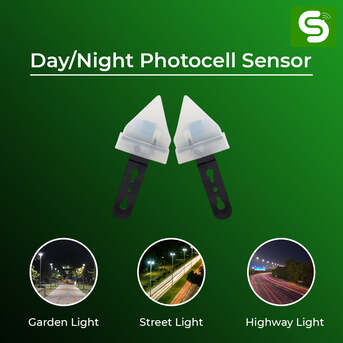
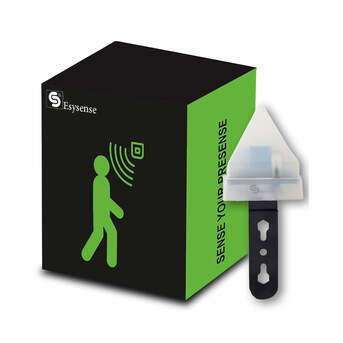
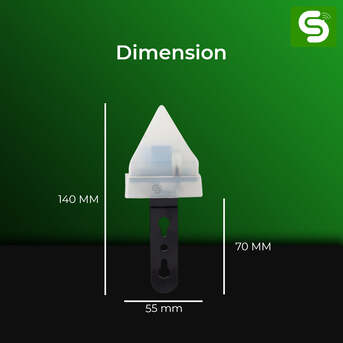
A photocell sensor is an automatic lighting control device that turns lights ON and OFF based on surrounding natural light levels. In 2026, photocell sensors will be widely used in homes, apartments, and commercial buildings to improve energy efficiency and automation.
By detecting daylight intensity, the sensor ensures lighting is available only when needed, without requiring manual intervention.
Why Photocell Sensors Are Essential in 2026
Rising electricity costs, smart home adoption, and sustainability goals have made photocell sensors a standard lighting solution. These sensors help reduce power wastage while providing consistent lighting performance in both indoor and outdoor environments.
Their low maintenance and long operational life make them ideal for modern residential needs.
Key Benefits of Using Photocell Sensors
Automatic Day and Night Operation : Photocell sensors automatically activate lights at dusk and switch them OFF at dawn. This eliminates the need for daily manual control and ensures lights operate according to natural daylight conditions.
This feature is especially useful for outdoor and semi-outdoor areas where manual switching is often forgotten.
Significant Energy Savings : One of the biggest benefits of photocell sensors is their ability to prevent unnecessary energy consumption. Lights remain OFF during daylight hours, ensuring electricity is used only when required.
Over time, this results in noticeable reductions in electricity bills for homeowners and residential societies.
Extended Lifespan of Lighting Fixtures : Frequent and unnecessary operation reduces the lifespan of lighting fixtures. Photocell sensors minimize operating hours, reducing wear on LEDs and other light sources.
This leads to longer-lasting fixtures and lower replacement costs.
Improved Safety and Security : Automatic night-time lighting improves visibility in outdoor spaces, reducing the risk of accidents. Well-lit surroundings also act as a deterrent to unauthorized access around homes and buildings.
This makes photocell sensors a practical safety upgrade in 2026.
Low Maintenance Requirement : Photocell sensors operate independently once installed. They do not require programming, daily adjustments, or frequent servicing.
This makes them ideal for homeowners seeking a simple and reliable lighting automation solution.
Product Application Areas
Best Places to Use Photocell Sensors
Home Balconies : Balcony lights equipped with photocell sensors automatically turn ON after sunset. This improves convenience and enhances safety without requiring occupants to operate switches daily.
Balconies remain well-lit only when necessary, avoiding energy waste.
Driveways and Vehicle Parking Areas : Application: Use microwave radar or motion sensor bulbs to detect cars or pedestrians approaching the driveway or parking lot.
Explanation: Ensures lights turn ON only when needed, enhancing security and energy efficiency for residential or commercial properties.
Corridors and Staircases : In residential buildings, corridors and staircases are often illuminated continuously. Photocell sensors ensure these common areas are lit only during dark hours.
This significantly reduces electricity consumption for apartment complexes.
Gardens and Pathways : Outdoor garden lights controlled by photocell sensors provide automatic illumination at night, improving visibility and aesthetics while conserving energy during the day.
This creates a safe and welcoming environment.
Terraces and Rooftops : Terraces are typically used in the evening. Photocell sensors ensure lighting is available when needed and turned OFF automatically when daylight returns.
This enhances usability while keeping energy usage efficient.
Technical Information Explained
Operating Voltage Compatibility : Most modern photocell sensors operate on standard 220–240V AC power supplies. This allows direct installation in residential and commercial electrical systems without additional converters.
This compatibility simplifies installation and reduces costs.
LDR-Based Light Detection : Photocell sensors use Light Dependent Resistor (LDR) technology to detect ambient light levels. The resistance of the LDR changes based on light intensity, triggering the ON/OFF function accurately.
This proven technology ensures reliable performance.
Weather-Resistant Construction : Outdoor-rated photocell sensors feature protective housings that resist dust, moisture, and temperature fluctuations. This ensures consistent operation in varying environmental conditions.
Durable construction increases product lifespan.
Stable Switching Logic : Advanced photocell sensors include delay mechanisms that prevent false triggering caused by vehicle headlights or temporary shadows.
This stability ensures smooth and dependable lighting control.
How to Choose the Best Photocell Sensor in 2026
When selecting a photocell sensor, consider the following factors:
Sensitivity Range
Proper light sensitivity ensures accurate switching during dusk and dawn.
Load Capacity
The sensor should support the wattage of connected lighting fixtures.
Outdoor Rating
An appropriate IP rating ensures long-term outdoor performance.
Ease of Installation
Simple mounting and wiring reduce installation errors.
Installation Tips for Best Performance
To maximize accuracy:
Install the sensor where it receives natural daylight directly
Avoid placing it near artificial light sources
Ensure correct wiring connections
Proper installation significantly improves reliability.
Common Installation Mistakes to Avoid
Incorrect placement in shaded areas can cause lights to remain ON during the day. Using indoor-rated sensors outdoors can lead to early failure.
Avoiding these mistakes ensures consistent performance.
Why Photocell Sensors Are a Smart Investment in 2026
Photocell sensors provide an excellent balance of automation, cost savings, and reliability. Their simple design and proven technology make them a long-term lighting solution for modern homes.
They align perfectly with energy-efficient living trends.
Final Conclusion
In 2026, photocell sensors remain one of the most effective lighting automation solutions. They deliver energy savings, enhanced safety, extended fixture lifespan, and effortless operation across residential and outdoor spaces.
Visit us : https://esysense.com/produc ...