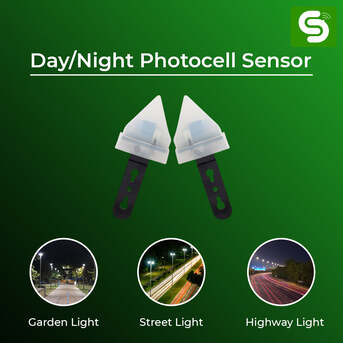
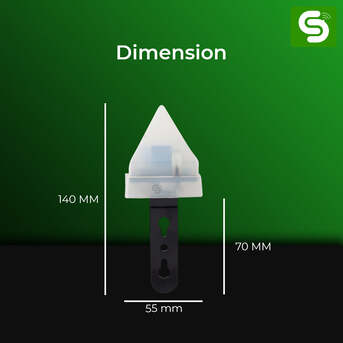
In 2026, a smart home isn’t complete without automatic lighting control. Photocell LDR sensors offer hands-free operation, energy efficiency, and long-lasting reliability. Choosing the right sensor ensures smooth day/night transitions, reduces energy costs, and enhances home safety.
A high-quality photocell sensor provides accurate light detection, works seamlessly with LED fixtures, and withstands weather conditions for long-term outdoor and semi-outdoor use.
Key Features That Define the Best Photocell Sensor
Precision Light Detection : The best sensors have high-accuracy LDR (Light Dependent Resistor) technology that detects small changes in ambient light. This ensures lights switch ON at dusk and OFF at dawn without delays or flickering.
Precision detection prevents unnecessary energy consumption while maintaining consistent illumination.
Precision Light Detection : The best sensors have high-accuracy LDR (Light Dependent Resistor) technology that detects small changes in ambient light. This ensures lights switch ON at dusk and OFF at dawn without delays or flickering.
Precision detection prevents unnecessary energy consumption while maintaining consistent illumination.
LED Load Compatibility : Modern homes primarily use LED lighting, which has specific voltage and current characteristics. A quality photocell sensor should support LED wattage and allow smooth operation without flickering, buzzing, or early LED failure.
Compatibility ensures efficiency and prolongs fixture lifespan.
Durable, Weather-Resistant Housing : Outdoor and semi-outdoor installations expose sensors to dust, moisture, and temperature fluctuations. The best sensors have IP-rated protective housings that ensure reliable operation over many years.
Durable construction reduces maintenance and replacement frequency.
Fast Response Time : Sensors with quick light response react immediately to daylight changes, providing smooth ON/OFF transitions at dusk and dawn. A slow-response sensor can cause delays, resulting in lights remaining OFF too long or switching ON too early.
Stable Switching Logic : Top sensors include internal delay mechanisms to avoid false triggers from shadows, passing vehicles, or temporary artificial lights. This ensures smooth and predictable operation in all outdoor lighting scenarios.
Benefits of Installing a Photocell Sensor
Hands-Free Automation :
Photocell sensors activate lighting automatically based on sunlight, eliminating the need for manual operation. This is especially useful in areas that are seldom attended, like balconies, corridors, and outdoor kitchens.
Consistent Energy Savings :
By preventing lights from running during daylight hours, photocell sensors deliver measurable electricity savings. For homes, commercial complexes, and public buildings, this can significantly reduce operating costs.
Enhanced Safety :
Automatic night lighting improves visibility in staircases, corridors, balconies, and outdoor spaces, reducing the risk of accidents and improving home security.
Longer Fixture Lifespan :
Controlling the ON/OFF cycles prevents excessive wear on LED lights. This leads to longer-lasting fixtures and fewer replacements, lowering overall maintenance costs.
Recommended Installation Areas
Balconies and Terraces
Automatic lighting improves evening usability and safety, while conserving power during daytime. Photocell sensors provide convenient hands-free operation in these spaces.
Outdoor Kitchens and Utility Areas
Semi-open areas benefit from precise light detection, ensuring illumination is available only when natural light is insufficient.
Corridors and Hallways
Maintains illumination only during low-light hours, significantly reducing energy usage in shared residential spaces.
Staircases
Ensures safe movement during night hours while turning off lights automatically during the day.
Gardens and Pathways
Provides decorative and functional lighting for night-time visibility, enhancing security and aesthetics.
Technical Details of Top Photocell Sensors
Operating Voltage (220–240V AC): Compatible with standard home and commercial wiring systems.
LDR-Based Detection: Accurately senses ambient light intensity for smooth ON/OFF control.
IP-Rated Housing: Weatherproof casing ensures reliability in all outdoor conditions.
Adjustable Lux Sensitivity: Allows customization to trigger lights at desired daylight levels.
How to Select the Right Photocell Sensor
Determine Light Sensitivity: Match lux threshold to your specific installation area.
Check Load Compatibility: Ensure the sensor supports connected LED wattage.
Evaluate Durability: Choose IP-rated housings for outdoor installations.
Verify Response Time: Faster sensors provide smoother day/night transitions.
Confirm Ease of Installation: Mounting and wiring should be straightforward.
Installation Best Practices
Mount sensors where they can detect natural sunlight directly.
Avoid placement near street lamps or artificial lights.
Maintain correct wiring and polarity according to manufacturer instructions.
Test operation at dusk to ensure smooth ON/OFF behavior.
Common Mistakes to Avoid
Installing indoor-rated sensors outdoors.
Placing sensors in shaded areas or near artificial lights.
Ignoring LED compatibility, leading to flickering or reduced lifespan.
Avoiding these mistakes ensures long-term, efficient operation.
Photocell LDR Sensors Are a Smart Home Necessity in 2026
Smart homes focus on automation, energy savings, safety, and convenience. Photocell sensors meet all these goals by providing hands-free lighting, reducing energy costs, and protecting your fixtures for years of reliable operation.
Final Conclusion
In 2026, selecting the right photocell LDR sensor ensures consistent automation, improved safety, long-term energy savings, and extended fixture life. Properly installed and selected sensors are an essential investment for modern smart homes.
Visit us : https://esysense.com/produc ...