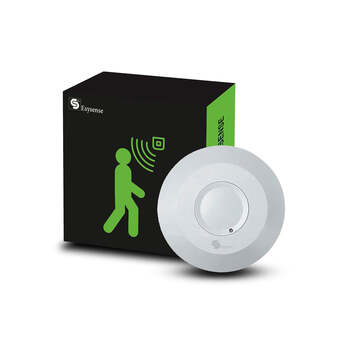
A microwave radar motion sensor 360? is a cutting-edge device designed to automatically detect movement and control lighting in homes, offices, and commercial spaces. Using microwave radar technology, it detects motion in all directions, even through glass, partitions, or thin walls.
In 2026, this sensor is considered one of the best solutions for energy-efficient smart lighting, offering full-area coverage, precise detection, and hands-free automation.
Key Benefits of Microwave Radar Motion Sensors
360? Full-Area Detection : Unlike traditional sensors, microwave radar technology allows 360? motion detection, covering entire rooms or office areas. This ensures lights activate wherever movement occurs, leaving no blind spots.
Explanation:
Full coverage ensures safety, comfort, and convenience, especially in offices, living rooms, corridors, or large open-plan spaces.
Automatic Lighting Control : The sensor automatically switches lights ON when it detects movement and turns them OFF after a preset delay when no motion is detected.
Explanation:
This hands-free operation ensures lights are used only when necessary, maximizing energy efficiency while providing convenience.
Highly Sensitive to Small Movements : Microwave radar sensors can detect minor movements, such as walking, typing, or even shifting furniture.
Explanation:
This ensures continuous illumination in workspaces, home corridors, or common areas, maintaining safety and reducing interruptions.
Energy Efficiency : By ensuring lights operate only when motion is present, these sensors reduce unnecessary power consumption, particularly in offices or areas with intermittent occupancy.
Explanation:
Even in spaces where lights are frequently left ON, the sensor automatically minimizes energy wastage.
Long Fixture Lifespan : Controlled operation reduces the number of hours lights remain ON, protecting LED bulbs and reducing wear on fixtures.
Explanation:
Long-term savings come not only from energy efficiency but also from extended LED life, reducing maintenance costs.
Recommended Applications
Home Rooms :
Living Rooms & Dining Areas: Ensure lights activate automatically when family members enter, providing convenience.
Corridors & Staircases: Maintains safety at night without manual operation.
Bathrooms & Utility Areas: Lights operate only when needed, reducing power wastage.
Offices & Workspaces :
Open-Plan Offices: Sensors activate lights where employees are present.
Conference Rooms: Lights turn OFF automatically when rooms are unoccupied.
Corridors & Hallways: Improve energy efficiency by reducing lighting in empty areas.
Commercial Spaces :
Retail Shops: Lights respond to customer presence, enhancing energy efficiency and customer experience.
Reception Areas & Waiting Rooms: Automatic illumination ensures comfort while reducing operational costs.
Technical Features of Microwave Radar Sensors
Microwave Radar Detection : Uses Doppler radar technology to detect movement accurately, even through partitions or glass panels. This ensures reliable operation across multiple room layouts.
Explanation:
Unlike PIR sensors, microwave radar can detect motion even when line-of-sight is blocked.
360? Detection Angle : Provides complete room coverage, reducing the need for multiple sensors. Ensures consistent lighting without dead zones.
Adjustable Sensitivity and Delay : Users can customize sensitivity to detect minor or major movements and set delay times to control how long lights remain ON after activity ends.
Explanation:
Fine-tuning allows optimization for both high-traffic and low-traffic areas, maximizing energy savings.
LED Compatibility : Works with standard LED lighting, ensuring smooth operation without flickering or early fixture failure.
Durable Construction : High-quality sensors are designed to withstand indoor conditions and occasional temperature fluctuations, ensuring consistent long-term performance.
Installation Tips
Mount at recommended height (usually 2–3 meters indoors).
Avoid placement near strong artificial light sources that may interfere with detection.
Test detection zones to ensure full coverage before final installation.
Adjust sensitivity and delay based on room size and occupancy patterns.
Common Mistakes to Avoid
Placing sensors too close to windows or bright lights, causing false triggering.
Setting delay too short, leading to lights turning OFF prematurely.
Ignoring sensitivity adjustment, reducing effectiveness in detecting minor movements.
Proper placement and configuration ensure maximum performance.
Visit us : https://esysense.com/produc ...
Why Microwave Radar Motion Sensors 360? Are Best in 2026
In 2026, energy efficiency, smart home automation, and convenience are top priorities. Microwave radar sensors meet these needs by providing:
Hands-free, automatic lighting
Accurate detection in full 360? areas
Reduced energy consumption
Extended lifespan for LED fixtures
These features make them an ideal choice for homes, offices, and commercial spaces.
Final Conclusion
A 360? microwave radar motion sensor offers smart, efficient, and reliable lighting automation. By combining full-area detection, energy efficiency, and hands-free convenience, it enhances safety, comfort, and cost savings in 2026 smart homes and workplaces.