Understanding Sensory Challenges in Young Children
Sensory challenges occur when a child’s nervous system struggles to organise and respond appropriately to sensory input such as sound, touch, movement, or light. This is more common than many parents realise and can show up in everyday situations.
Common Signs to Look Out For
Every child is different, but some common indicators include:
* Sensitivity to noise, textures, or bright lights
* Avoidance of messy play or certain clothing
* Frequent meltdowns in busy environments
* Difficulty with balance, coordination, or focus
Noticing these patterns early allows parents to seek timely support through children's occupational services.
Why Early Support Makes a Difference
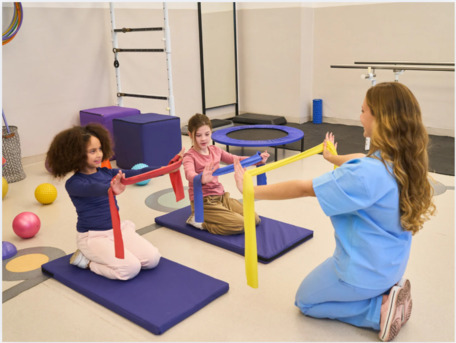
Early intervention can significantly improve how children cope with sensory input at home, childcare, and school. A qualified children's occupational therapist assesses how sensory challenges affect daily activities and designs personalised strategies to build regulation, confidence, and independence.
Sensory challenges in early childhood are common and manageable with the right support. Understanding the signs, seeking early guidance, and working with a trusted professional can help children thrive. With the support of experienced children's occupational services, families can feel confident navigating sensory differences and supporting healthy development.