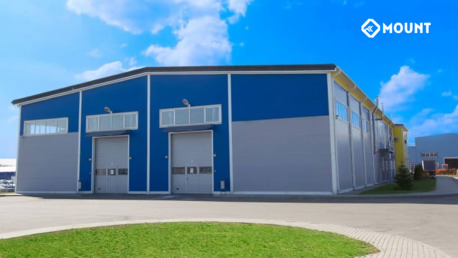
The cost structure depends on multiple factors including thickness, density, and facing materials. Standard configurations range from lightweight options for residential applications to heavy-duty industrial specifications. Manufacturers typically calculate expenses based on square footage, with volume purchases offering better rates. Regional availability and transportation logistics also influence the final amount contractors pay for materials.
Quality variations significantly affect pricing structures. Premium products feature superior polyurethane foam cores with enhanced fire-retardant properties and moisture resistance. These advanced specifications justify higher costs through extended lifespan and reduced maintenance requirements. Budget-friendly alternatives exist for projects with less demanding performance criteria, though they may compromise certain protective features.
Installation complexity adds another dimension to overall project budgets. Professional fitting ensures optimal performance and longevity. Skilled technicians properly seal joints and mount PUF panels@https://mountroof.com/mount ... using appropriate fastening systems that maintain structural stability. This expertise prevents thermal bridging and ensures maximum energy conservation benefits.
Market conditions fluctuate based on raw material availability and manufacturing capacity. Steel facing components, polyol compounds, and isocyanate chemicals constitute primary production inputs. Global supply chain dynamics periodically create price variations that contractors must anticipate when planning budgets.
Geographic location substantially impacts acquisition costs. Metropolitan areas typically offer competitive pricing due to multiple supplier options and streamlined distribution networks. Remote locations may experience premium charges covering extended delivery distances and limited vendor competition.
Customization requirements influence quotations significantly. Standard dimensions provide cost advantages through mass production efficiencies. Special sizes, colors, or performance specifications require custom manufacturing runs that increase per-unit expenses. However, tailored solutions often deliver superior project outcomes by matching exact architectural requirements.
Comparing quotations from multiple suppliers reveals market ranges and helps identify optimal value propositions. Reputable manufacturers provide detailed specifications, warranty coverage, and technical support that justify their pricing structures. Long-term performance reliability often outweighs initial cost savings from inferior products.
Energy savings generated by quality insulation panels create substantial lifecycle value. Reduced heating and cooling expenses accumulate over decades, offsetting initial investments through lower utility bills. Environmental benefits include decreased carbon footprints and sustainable building practices that meet modern construction standards.