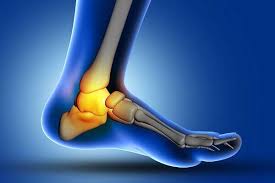
Understanding Severe Ankle Ligament Tears
The most commonly injured ligaments are: Anterior talofibular ligament (ATFL), Calcaneofibular ligament (CFL), Posterior talofibular ligament (PTFL).
A Grade III tear means the ligament is completely torn, often causing: Severe swelling and bruising, Difficulty bearing weight, A feeling of the ankle “giving way”, Long-term instability if untreated.
Conservative (Non-Surgical) Treatment Most severe ankle ligament injuries are initially managed without surgery.
What Conservative Care Includes: RICE protocol (Rest, Ice, Compression, Elevation), Immobilization with a brace or boot, Physiotherapy for strength and balance, Gradual return to activity.
When It Works Best: First-time severe sprains, No major bone fractures, Mild-to-moderate instability, Non-athletes or low-demand .lifestyles
Surgery may be recommended when conservative treatment fails or if instability is severe. For many patients, starting with conservative treatment is appropriate, and surgery is considered only if instability persists. Severe ankle ligament tears are serious but manageable. Early diagnosis, structured rehabilitation, and proper medical evaluation are key to preventing chronic ankle instability and arthritis later in life.
Address - #10-41 Mount Elizabeth Novena Specialist Centre 38 Irrawaddy Road Singapore 329563
Phone - 67348168
Email - [email protected] ...
Visit - https://www.footandankledoc ...