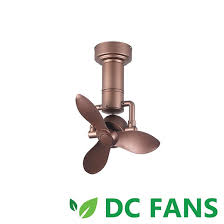
1. Look for a Low Noise Rating - Noise levels are measured in sones or decibels (dB): Less than ~50 dB — generally quiet, Below 40 dB — very quiet. Manufacturers sometimes list sone/dB ratings. If not, look for phrases like “whisper-quiet,” “ultra-quiet,” “silent motor,” or “low noise” in product specs.
2. Choose a Good Motor - The heart of quiet operation is the motor: DC motors are quieter and more energy-efficient than AC motors. Brushless motors operate smoothly with less sound. More advanced motors often cost more, but they’re worth it if quietness is your priority.
3. Pick the Right Blade Design - Blades affect airflow and noise: Aerodynamic blades reduce turbulence and humming. 5 blades or more deliver smoother airflow (often quieter than 3-blade models). Look for curved or swept-wing designs for quieter airflow.
4. Match the Fan Size to Kitchen Space - Size matters for performance and noise: Small kitchens (up to ~100 sq. ft.) → 42–48″ fan, Medium kitchens (100–225 sq. ft.) → 48–54″ fan, Large kitchens (225+ sq. ft.) → 56″ or more. A fan that’s too big can whir harder; one that’s too small may run at higher speeds — both can be noisy.
5. Look for Multiple Speed Settings - More speed options let you tailor airflow — and keep noise low when you don’t need high power.
Phone - +65 64456144
Email - [email protected]
Address - 512 Chai Chee Lane #02-09/08/07 Singapore 469028
Visit - https://acornceilingfan.com ...