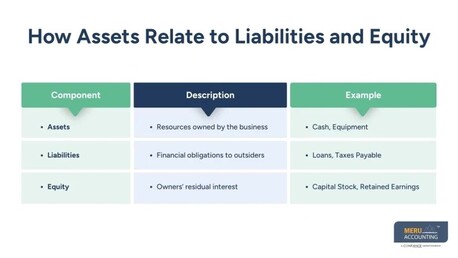
The foundation of accounting is the basic equation:
Assets = Liabilities + Equity
This equation shows how a company’s resources are financed — either through debt (liabilities) or owner investment (equity). Understanding this relationship is essential for evaluating financial health and making sound business decisions.
In this guide, we focus on Equity Liabilities, with special attention to short-term loans and taxes payable — two key obligations that directly impact financial stability.
What Are Equity Liabilities?
The term Equity Liabilities is not a formal accounting category but refers to the relationship between equity and liabilities on the balance sheet.
• Equity represents the owner’s share in the business, including invested capital and retained earnings.
• Liabilities represent amounts the company owes to outside parties, such as loans and taxes.
Liabilities must be settled over time, while equity reflects the remaining value after all obligations are paid. Managing both properly is essential for financial balance.
Short-Term Loans as Equity Liabilities
Short-term loans are current liabilities that must be repaid within one year. Businesses use them to manage cash flow, cover operating expenses, or meet urgent financial needs.
Key Features:
• Repayment within 12 months
• Often higher interest rates than long-term loans
• Used for working capital or temporary funding
Accounting Treatment:
• Recorded as current liabilities on the balance sheet
• Interest expense recorded periodically
• Liability reduced when repayments are made
While short-term borrowing can support growth, it increases financial pressure and affects the balance between equity and liabilities.
Taxes Payable as Equity Liabilities
Taxes payable represent amounts owed to government authorities but not yet paid. These are also classified as current liabilities.
Common Types:
• Income taxes payable
• Sales taxes payable
• Payroll taxes payable
• Property taxes payable
Accounting Treatment:
• Recorded as a liability until paid
• Tax expense reduces net income
• Lower net income reduces retained earnings, which lowers equity
This shows how taxes payable directly affect both liabilities and equity
How Equity and Liabilities Affect Each Other
The connection between equity and liabilities is dynamic:
• When liabilities increase (such as through short-term loans), financial risk increases.
• When tax expenses rise, retained earnings decrease, lowering equity.
• Strong equity reduces reliance on borrowing and improves financial stability.
Balancing Equity Liabilities is key to maintaining liquidity and long-term growth.
Managing Short-Term Loans and Taxes Payable
Proper management of these liabilities protects financial health.
Best Practices for Short-Term Loans:
• Maintain adequate cash reserves
• Monitor debt-to-equity ratio
• Align repayments with cash inflows
• Avoid excessive borrowing
Best Practices for Taxes Payable:
• File and pay taxes on time
• Keep accurate records
• Review tax estimates regularly
• Use tax planning strategies
Effective management reduces risk and supports stable equity growth.
Why Equity Matters
Equity represents the company’s internal strength. It includes:
• Share capital
• Additional paid-in capital
• Retained earnings
• Treasury stock
Strong equity:
• Improves creditworthiness
• Attracts investors
• Reduces financial risk
• Supports long-term expansion
Maintaining a healthy balance between equity and liabilities strengthens overall financial stability.
Conclusion
Understanding Equity Liabilities helps businesses manage short-term loans, taxes payable, and overall financial structure more effectively. Short-term loans impact liquidity, while taxes payable influence both cash flow and retained earnings.
Meru Accounting helps companies maintain accurate records, optimize tax liabilities, and manage liabilities such as short-term loans effectively. Their tailored approach empowers businesses to build strong equity positions and sustain long-term financial health.
FOR MORE INFO: https://www.meruaccounting. ...