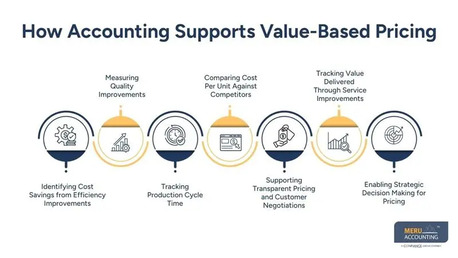
When manufacturers clearly understand their production costs—including materials, labor, overhead, and supply chain expenses—they can create pricing strategies that reflect real costs while remaining competitive in the market.
This blog explains how accounting for contract manufacturing supports strategic pricing decisions and helps contract manufacturers operate more efficiently and profitably.
Understanding Contract Manufacturing in the Manufacturing Industry
Contract manufacturing is a business model where companies outsource the production of their products to third-party manufacturers. This approach allows businesses to scale production without investing heavily in facilities, equipment, or labor.
While this model offers flexibility, determining the correct product price becomes complex because of multiple cost components, partners, and production steps involved.
This is where accounting for contract manufacturing becomes essential. Accurate accounting provides detailed visibility into production costs, helping manufacturers determine prices that are both competitive and profitable.
Proper accounting also ensures hidden expenses—such as setup charges, quality control, packaging, and logistics—are accurately recorded. By tracking every cost element, contract manufacturers can prevent pricing errors and maintain consistent profitability.
What Is Strategic Pricing for Contract Manufacturers?
Strategic pricing refers to setting product prices based on a combination of cost data, market demand, competitive analysis, and long-term business goals.
For contract manufacturers, pricing must account for both direct production costs and indirect expenses. These include materials, labor, equipment depreciation, facility costs, and management overhead.
Accounting for contract manufacturing provides the financial insights needed to evaluate all these cost factors. Without reliable accounting data, manufacturers risk setting prices too low—leading to losses—or too high—driving customers away.
Strategic pricing also enables manufacturers to respond quickly to market changes. With accurate financial data, they can adjust prices when raw material costs increase or when demand shifts.
Cost Structure Essentials in Accounting for Contract Manufacturing
Strategic pricing relies on understanding several key cost components tracked through accounting for contract manufacturing.
1. Direct Material Costs
These include raw materials, packaging supplies, and components used during production. Detailed accounting ensures these expenses are accurately captured to prevent underpricing.
2. Direct Labor Costs
Labor expenses include employee wages, benefits, overtime pay, and contractor fees. Proper accounting allocates these costs to the appropriate product or project.
3. Overhead Costs
Overhead expenses include utilities, facility rent, equipment maintenance, and administrative operations. Accounting for contract manufacturing distributes these costs across production based on activity levels or machine usage.
4. Variable and Fixed Costs
Variable costs change with production volume, while fixed costs remain constant regardless of output. Both must be considered when establishing pricing strategies.
5. Supply Chain and Logistics Costs
Transportation, customs duties, warehousing, and inventory management costs are important elements in contract manufacturing accounting. Ignoring these expenses can significantly impact profit margins.
To More information Contact Us
Visit Now: https://www.meruaccounting. ...
Website: httpswww.meruaccounting.com/
Email : [email protected]
Contact Number : +17149879001
Addresss : TX 75231 United States 26 Brodway 8th Floor, New york , NY 10004 United States