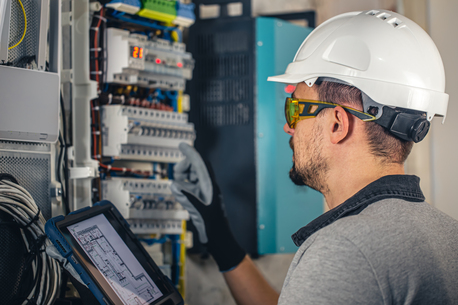
Electrical and mechanical contractors install the systems that allow buildings and industrial facilities to operate safely and efficiently. This includes power supply, control systems, HVAC (heating, ventilation, and air conditioning), piping, and more. They translate engineering concepts into practical, compliant, and maintainable assets. Often, their work aligns with the MEP (Mechanical, Electrical, and Plumbing) scope, which encompasses the services necessary to create a functional and comfortable environment for a building's occupants.
What an Electrical and Mechanical Contractor Typically Delivers
Electrical and mechanical contractors play a critical role in modern industrial construction and EPC projects, ensuring that mechanical, electrical, and automation systems work seamlessly.
While the scope of a project will depend on the industry segment, be it commercial, industrial, oil and gas, or utilities, a typical list of what an electrical and mechanical contractor delivers includes:
Mechanical works
Mechanical contractors typically handle:
HVAC systems
Refrigeration systems
Industrial piping
Plumbing infrastructure
Electrical works
Electrical works include, among other things, power supply, electrical distribution, connections, and earthing/grounding, as well as system integration, depending on the electrical contractor.
Integration & coordination (the hidden value)
A skilled electrical and mechanical contractor plays a crucial role in integrating power and equipment, as well as controls and instruments. They also consider HVAC and architectural constraints to ensure that the electrical and mechanical trades work seamlessly together within a project. This integration is essential for the project to function as intended.
Why Compliance and Safety Standards Matter
Electrical and mechanical systems are safety-critical. For example, the NFPA 70, also known as the National Electrical Code (NEC), is a standard that governs the safe design, installation, and inspection of electrical systems, protecting people and property from electrical hazards.
Common Project Lifecycle: From Concept to Handover
Most engagements for electrical and mechanical contractors follow a practical sequence of steps:
Design Coordination and Constructability Review: This involves reviewing shop drawings and method statements to avoid design clashes.
Procurement and Vendor Qualification: Ensuring that all equipment and documentation meet compliance standards.
Installation and Integration: Aligning mechanical, electrical, and controls systems for cohesive operation.
Testing and Commissioning: Conducting functional tests, verifying performance, and preparing necessary documentation.
Handover and Maintenance Readiness: Finalizing as-built drawings, operations and maintenance manuals, and a spare parts strategy.
Spotlight: Tekzone – A Leading Electrical and Mechanical Contractor
Tekzone is a leading company in the industrial construction sector, headquartered in Dubai, UAE. The company describes its engineering divisions as specializing in mechanical, electrical, and instrumentation services; industrial automation; and civil minor works. Tekzone has been in operation since 2005.
What Tekzone highlights across its services
Tekzone highlights the major delivery categories for its services on its services page. This includes EPC projects, shutdown projects, cross-country pipelines, process tanks and piping, factory relocations, and other similar projects. This approach to execution is holistic rather than just providing individual trade services. The company has also explicitly mentioned its capability in the area of industrial automation (PLC/SCADA/HMI) as well as electrical distribution from high-voltage connections to transformers through LV works like MDB/SMDB/DB.
Overview of Tekzone and its footprint
Tekzone is an industrial construction contractor headquartered in Dubai that delivers integrated mechanical, electrical, and automation solutions for complex industrial facilities, emphasizing quality and safety. It also highlights its commitment to in-house training initiatives, including safety training and certification programs. It further claims to have several branches in the UAE, Saudi Arabia, and India.
In complex industrial environments, the right contractor ensures that electrical, mechanical, and automation systems operate as a unified and reliable infrastructure.
How to Choose the Right Electrical and Mechanical Contractor: A Practical Checklist
When evaluating contractors for your project, focus on evidence rather than promotional materials. Use the following criteria to guide your selection:
Comparable Project Portfolio: Look for a portfolio that matches the sector, scale, and complexity of your project.
Safety Culture and Documented Procedures: Ensure the contractor has a strong safety culture with documented procedures, including permits, risk assessments, and training.
Commissioning Capability: Assess the contractor's ability to not only install systems but also provide proof of their performance after installation.
Interface Management: Check for a clear coordination plan that integrates mechanical, electrical, and control systems.
Documentation Quality: Evaluate the quality of their documentation, including as-built drawings, operation and maintenance manuals, test records, and asset tags.
Responsiveness During Shutdowns/Critical Windows: Consider their ability to respond effectively during shutdowns or critical project phases, which reflects their resource depth and planning maturity.
By following this checklist, you can make a more informed decision when selecting the right contractor for your project.
In large industrial plants, mechanical and electrical systems can represent 40–60% of the total construction cost, making contractor selection a critical project decision.
Conclusion
Electrical and mechanical contractors play a critical role in delivering the systems that keep industrial facilities operating safely and efficiently. This is particularly important when electrical distribution systems, mechanical systems, instrumentation, automation, and commissioning must work as one. Choosing the right contractor is crucial for the success of any project, whether it involves a new greenfield construction, an upgrade to existing brownfield facilities, or managing a complex shutdown. A contractor skilled in coordination, compliance, and execution makes the difference between a system that merely starts up and one that operates effectively for decades. For industrial projects, companies like Tekzone show how a single execution model for mechanical, electrical, and automation services can be delivered.
FAQs
Q1) What does an electrical and mechanical contractor do?
They plan, install, integrate, test, and commission mechanical and electrical systems, often including controls and instrumentation, to ensure that a building or plant operates safely, efficiently, and in compliance with relevant codes.
Q2) Is an electrical and mechanical contractor the same as