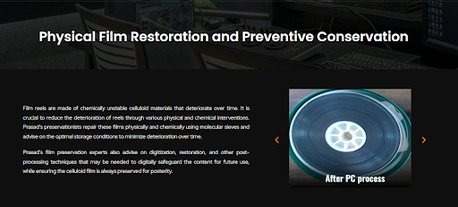
Preventive conservation focuses on proactive measures that minimize the risk of damage before it occurs. Instead of waiting for films to deteriorate and then restoring them, this approach emphasizes proper storage, careful handling, environmental monitoring, and regular inspection. By implementing effective preventive conservation strategies, film archives can significantly extend the lifespan of their collections and maintain their original quality.
One of the primary benefits of preventive conservation is the early identification of potential problems. Film materials are sensitive to factors such as humidity, temperature fluctuations, dust, and chemical reactions. Regular inspection and monitoring help detect issues like vinegar syndrome, shrinkage, or physical damage before they become severe. Addressing these problems early prevents irreversible deterioration and reduces the need for complex restoration later.
Another important aspect of preventive conservation is maintaining optimal storage conditions. Proper archival storage environments help stabilize film materials and slow down the natural aging process. Controlled temperature and humidity levels, along with specialized storage containers, are essential in preserving film reels. These measures ensure that valuable cinematic content remains intact for long-term access and preservation.
Cleaning and careful handling are also essential components of preventive conservation. Dust, dirt, and contaminants can gradually damage film surfaces and affect image quality. Routine cleaning and safe handling practices help maintain the physical condition of film reels while preparing them for future restoration or digitization processes.
Leading preservation companies such as Prasad Corp are at the forefront of delivering advanced preventive conservation solutions for film archives, studios, and content owners. With decades of expertise in film preservation and restoration, Prasad Corp combines advanced technology, professional inspection techniques, and specialized storage solutions to protect valuable film assets. Their comprehensive approach ensures that films are preserved in their best possible condition before undergoing restoration or digitization.
In addition, preventive conservation supports the long-term sustainability of film archives by reducing restoration costs and maintaining original film elements. By protecting the physical condition of film materials, archives can ensure that high-quality source elements remain available for future generations of filmmakers, historians, and audiences.
As the film industry continues to recognize the importance of preserving cinematic heritage, preventive conservation has become an essential step in archive management. By adopting proactive preservation strategies, archives can safeguard their collections from environmental and chemical damage.
If you are responsible for managing valuable film collections, now is the time to invest in reliable preventive conservation services. Partnering with trusted experts like Prasad Corp can help protect your film archives and ensure that your cinematic legacy remains preserved for generations to come.