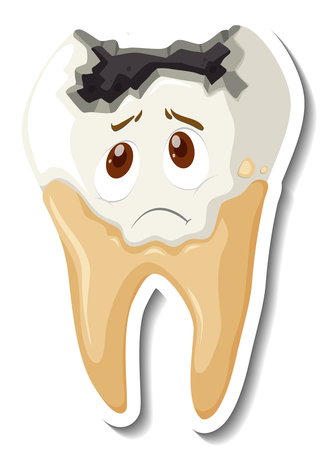
The primary cause of tooth decay is the buildup of plaque, a sticky film of bacteria that forms on teeth. When you consume foods and drinks high in sugar or carbohydrates, the bacteria in plaque feed on these sugars and produce acids. These acids slowly erode the tooth enamel, creating tiny openings or holes in the teeth, which are known as cavities. Over time, if the decay progresses deeper into the tooth, it can affect the dentin and eventually reach the pulp, causing severe pain and infection.
Several factors increase the risk of tooth decay. Poor oral hygiene, frequent snacking on sugary foods, drinking sugary beverages, and not brushing or flossing regularly can contribute to plaque buildup. Dry mouth is another risk factor because saliva plays a crucial role in washing away food particles and neutralizing acids produced by bacteria. Without sufficient saliva, the mouth becomes more vulnerable to decay.
The symptoms of tooth decay vary depending on its severity. In the early stages, there may be no noticeable symptoms. However, as the decay worsens, individuals may experience tooth sensitivity, pain when eating sweet, hot, or cold foods, visible holes in the teeth, dark spots, or persistent bad breath. In advanced cases, swelling or infection around the tooth may occur.
Fortunately, tooth decay is largely preventable with proper oral care. Brushing your teeth at least twice a day with fluoride toothpaste helps remove plaque and strengthen enamel. Flossing daily removes food particles and plaque from between the teeth where a toothbrush cannot reach. Limiting sugary snacks and beverages, drinking plenty of water, and maintaining a balanced diet also support strong and healthy teeth.
Regular dental checkups are equally important because dentists can detect early signs of decay and provide treatments before the problem becomes severe. Professional cleanings remove hardened plaque and tartar that cannot be removed through brushing alone. Preventive treatments such as fluoride applications and dental sealants can further protect teeth from decay.
By practicing good oral hygiene and visiting the dentist regularly, individuals can significantly reduce their risk of cavities and maintain a healthy, confident smile with Smiles N Braces.