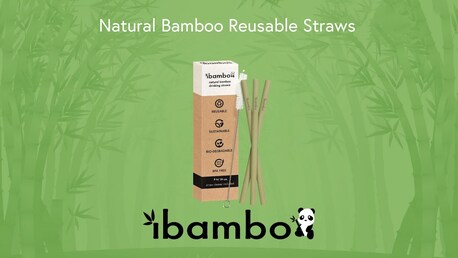
Small habits often shape the way we interact with our surroundings, and many of those habits come with consequences we hardly notice. One example is the routine use of disposable straws. They seem harmless—light, inexpensive, convenient—but their cumulative impact has drawn growing attention. As more people look for alternatives that reduce unnecessary waste, bamboo reusable straws have become a straightforward option that fits easily into everyday life.
Bamboo has long been valued for its durability and versatility. From kitchenware to flooring and furniture, it has earned a reputation as a dependable natural material. When crafted into reusable straws, it offers a simple way for individuals to cut down on single‑use plastics without making dramatic lifestyle changes. This shift may feel modest, yet it supports a broader movement toward more thoughtful consumption.
Why Bamboo?
Bamboo is often described as one of the fastest‑growing plants, and that growth speed translates into a renewable supply. Unlike some materials that require years to mature or rely on complex extraction processes, bamboo thrives with minimal intervention. It grows in diverse climates, regenerates quickly after harvesting, and requires no replanting. These traits place it in a category of materials that can be harvested responsibly without straining ecosystems.
When used for straws, bamboo holds several advantages:
It is naturally sturdy.
It resists absorbing flavors when properly treated.
It has a smooth texture that feels comfortable to use.
It is biodegradable at the end of its lifespan.
These qualities help explain why bamboo straws have gained popularity among caf?s, restaurants, and households that want alternatives to plastic or paper options.
Reducing Waste Through Daily Choices
Plastic straws represent only a fraction of plastic waste, yet their small size and light weight make them difficult to recycle. They often end up in landfills or waterways. Many consumers started paying closer attention to this issue as images of plastic pollution circulated more widely. The shift toward reusables followed naturally.
Bamboo reusable straws offer a practical adjustment rather than a demanding change. One straw can accompany you for months or even years, depending on care and frequency of use. By replacing hundreds of single‑use straws, it contributes to reducing the volume of disposable plastics that enter the waste stream.
Choosing a reusable straw may seem like a minuscule gesture, but small habits add up. People who start with simple changes—carrying a reusable bottle, using cloth bags, or switching to bamboo straws—often become more mindful about other choices as well. These individual decisions gradually influence retailers, producers, and service industries as demand shifts toward sustainable products.
Comfort and Functionality Matter
Sustainable alternatives work best when they are pleasant to use. Bamboo straws tend to fit this requirement well because they strike a balance between sturdiness and lightness. Unlike glass straws, bamboo does not easily crack. Unlike stainless steel, it does not conduct heat as strongly, which makes it suitable for hot and cold drinks alike. And unlike paper straws, it does not soften or lose its shape.
People frequently mention the pleasant feel of bamboo—smooth, natural, and slightly warm. The diameter varies slightly from straw to straw due to the plant’s natural structure, giving each piece a subtle uniqueness that many find appealing.
For those who prepare smoothies, iced tea, juices, or even milkshakes, bamboo straws usually have sufficient thickness and rigidity to handle thicker consistencies. This makes them adaptable to a wide range of beverages at home or on the go.
Maintenance and Longevity
Caring for bamboo straws is not complicated, but proper upkeep helps them last longer. Most manufacturers provide small cleaning brushes that make it easy to rinse the inside after each use. Warm water, mild soap, and thorough drying help maintain the wood’s integrity. Allowing them to air‑dry fully prevents moisture from lingering, which can extend their lifespan.
Occasionally, a light oiling with a food‑safe oil—such as coconut or mineral oil—can keep the straw from drying out too much. This step is optional yet helpful for long‑term durability. With regular care, a bamboo straw can remain in excellent condition for an extended period, making it both cost‑effective and environmentally reasonable.
When a straw eventually reaches the end of its usable life, it can be composted or repurposed. Since bamboo is a natural material, it breaks down far more easily than synthetic alternatives.
Aesthetic Appeal and Branding Opportunities
Beyond functionality, bamboo straws bring a certain aesthetic that resonates with many consumers. Their natural look pairs well with rustic, organic, or minimalist styles. Businesses often incorporate them into their brand identity, especially caf?s or restaurants that emphasize sustainability or plant‑based themes.
Because bamboo straws can be engraved or printed with logos, they offer promotional opportunities as well. Many companies use them as reusable gifts at events or include them in eco‑friendly product bundles. This gives the straw a dual purpose—as both a practical tool and a brand symbol that communicates environmental responsibility.