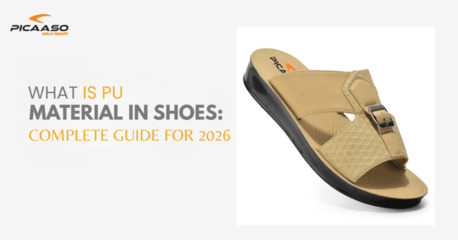
PU stands for Polyurethane — a synthetic polymer that has become the most widely used material in the global footwear industry. It appears in both the shoe upper (the outer body) and the sole (the bottom layer), making it one of the most versatile materials in modern footwear manufacturing.
Where Is PU Material in Shoes Used?
PU Upper: Mimics the look and feel of genuine leather at a fraction of the cost. Extremely popular in fashion, formal, and everyday casual footwear.
PU Sole: The most critical part of any shoe. A quality PU sole delivers superior cushioning, reliable grip, and long-lasting durability — all while being significantly lighter than traditional rubber.
Advantages and Disadvantages of PU Shoes
✅ Advantages:
Lightweight and flexible — comfortable for all-day wear
Excellent cushioning and shock absorption
Water and abrasion resistant — built for daily use
More affordable than genuine leather without compromising appearance
100% vegan and cruelty-free
❌ Disadvantages:
Less breathable than genuine leather
Low-grade PU Shoes can crack or peel within 1–2 years
May retain heat in warm climates
How to Identify Quality PU Shoes
Before buying PU Shoes, keep these four checks in mind:
Press the sole — quality PU bounces back quickly and firmly
Read the label — look for "high-density PU" or "premium polyurethane"
Check the smell — quality PU has little to no chemical odour
Inspect the surface — uniform texture with no visible bubbles or uneven grain
Is PU Material in Shoes Good in 2026?
Absolutely. PU Material in Shoes continues to offer the best overall balance of leather-like appearance, engineered performance, and cost-efficiency for both consumers and businesses. Emerging bio-based PU technologies are also addressing breathability and sustainability concerns — making PU Shoes an even stronger choice going forward.
For a complete breakdown of PU sole types, material comparisons, and bulk buying guidance, read Picaaso Footwear's full guide on PU Material in Shoes.