Proper trust tax preparation helps avoid penalties, ensures accurate reporting, and keeps financial records organized. It also makes it easier for both trustees and beneficiaries to handle their tax responsibilities.
What Is Trust Tax Preparation?
Trust tax preparation involves reporting the income a trust earns, such as from investments, rent, or interest. Trustees are responsible for managing these records and filing tax returns on time.
In many cases, beneficiaries must also report the income they receive from the trust, making the process a shared responsibility.
Types of Trusts and Tax Impact
• Revocable trusts: Income is usually taxed to the creator
• Irrevocable trusts: Treated separately for tax purposes
• Grantor trusts: The grantor pays the taxes
• Non-grantor trusts: The trust files its own tax return
• Charitable trusts: May offer tax benefits but need careful handling
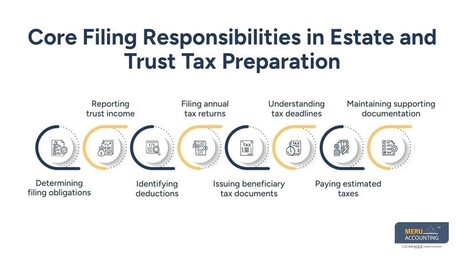
Key Filing Responsibilities
• Decide if the trust needs to file a return
• Report all income accurately
• Identify allowed deductions
• File tax returns on time
• Provide income details to beneficiaries
Trustees must also meet deadlines, make estimated tax payments if required, and keep proper records to support trust tax preparation.
Common Challenges
• Changing and complex tax rules
• Managing multiple income sources
• Correctly dividing income between the trust and beneficiaries
• Keeping complete and accurate records
• Avoiding missed deadlines
Best Practices
• Keep financial records clear and organized
• Track income and distributions regularly
• Review trust documents carefully
• Take help from tax professionals when needed
• Plan ahead to manage taxes efficiently
Important Tax Forms
• Form 1041: Used to report trust income
• Schedule K-1: Shows each beneficiary’s share
• Estimated tax forms: For advance payments
• State tax forms: If required
Final Thought
Good trust tax preparation ensures smooth tax filing, accurate reporting, and compliance with rules. By staying organized and seeking expert support when needed, trustees can manage trust taxes effectively and avoid unnecessary issues.
Meru Accounting provides professional support for trust tax filing, helping trustees handle tax responsibilities confidently.
FOR MORE INFO: https://www.meruaccounting. ...