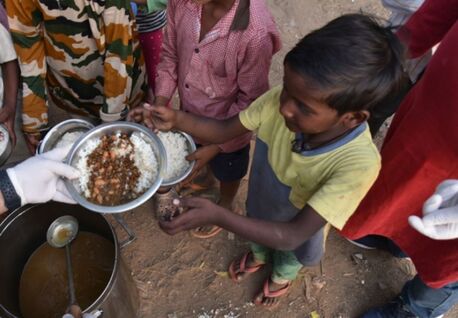
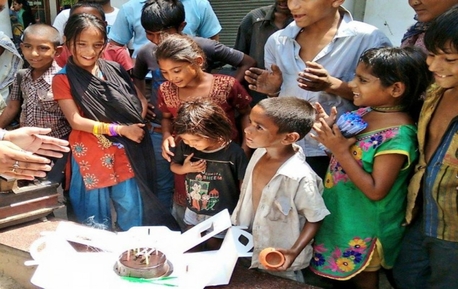
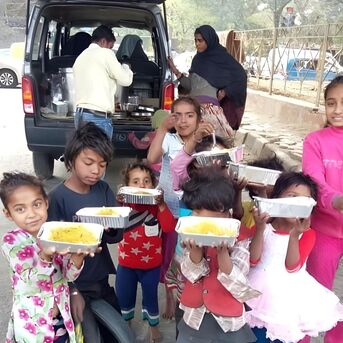
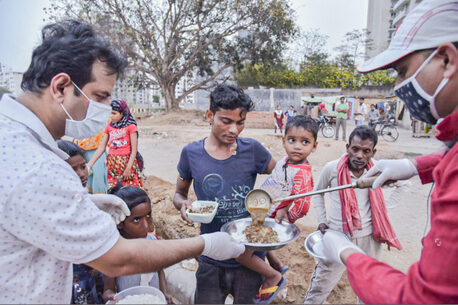
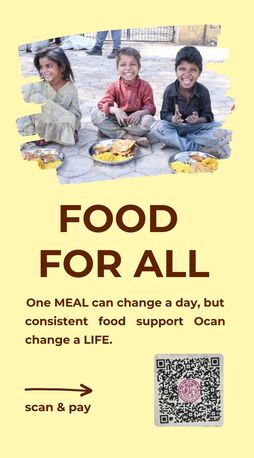
In a country as diverse and vibrant as India, millions still struggle to access basic nutrition every day. While progress continues in many sectors, hunger remains a pressing issue that requires immediate and collective action. Therefore, supporting orphanage donation, food donation in India, NGO for food donation initiatives has become more important than ever. Through small yet meaningful contributions, individuals can bring significant change to vulnerable communities.
Why Food Donation Matters
First and foremost, food donation is one of the simplest ways to fight hunger. Every day, a large amount of food is wasted, while countless people sleep hungry. By redirecting surplus food to those in need, a powerful impact can be created. Moreover, food donation helps ensure that underprivileged children, especially those in orphanages, receive proper nutrition.
In addition, when food is donated regularly, communities become stronger and healthier. Children are better able to focus on education, and families experience reduced stress. As a result, long-term social development is supported.
https://vysaakindwelfarefou ...
The Role of NGOs in Food Donation
Non-governmental organizations play a vital role in managing and distributing food donations efficiently. These organizations act as a bridge between donors and recipients. Furthermore, they ensure that food reaches the right people at the right time.
An NGO for food donation also maintains hygiene and quality standards, which is crucial for safe consumption. Besides that, they organize donation drives, awareness campaigns, and volunteer programs. Consequently, more people become involved in humanitarian efforts.
Benefits of Donating Food
There are several benefits associated with food donation. On one hand, hunger is reduced among vulnerable populations. On the other hand, donors experience a sense of fulfillment and social responsibility.
Additionally, food donation helps in reducing food waste, which is a growing environmental concern. When less food is wasted, fewer resources are consumed unnecessarily. Therefore, sustainability is also promoted.
Moreover, donating food to orphanages ensures that children receive balanced meals. This contributes to their physical and mental growth. As a result, their future prospects are improved.
How You Can Contribute
Getting involved in food donation is easier than many people think. Firstly, individuals can donate cooked meals, groceries, or funds to trusted organizations. Secondly, volunteering time to distribute food can make a huge difference.
Furthermore, businesses and restaurants can partner with NGOs to donate surplus food. In many cases, regular donation programs are established to ensure consistency. Consequently, a reliable support system is built for those in need.
It is also important to spread awareness. By encouraging friends and family to participate, the impact can be multiplied. Hence, collective efforts lead to greater change.
Ensuring Effective Food Donation
While donating food is noble, it must be done responsibly. Food should be fresh, hygienic, and properly packed. In addition, coordination with NGOs ensures that donations are distributed efficiently.
Moreover, transparency and accountability should be maintained. When donors trust the process, they are more likely to contribute regularly. Therefore, choosing a reliable NGO is essential.
Conclusion
In conclusion, food donation in India is not just an act of kindness; it is a necessity. Through orphanage donation and support for NGOs, countless lives can be improved. Although the challenge of hunger is vast, every small step counts.