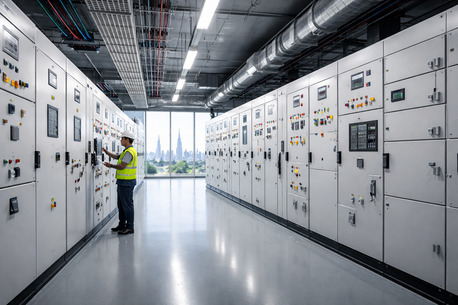
Dubai’s rapid infrastructure growth and industrial expansion have made electrical contracting a critical component across residential, commercial, and industrial sectors. From power distribution and automation to maintenance and safety systems, electrical contractors play a key role in ensuring efficient and uninterrupted operations.
As businesses increasingly adopt smart technologies and energy-efficient systems, the demand for skilled electrical contractors continues to rise. Today, selecting the right contractor involves more than basic installation—it requires technical expertise, regulatory knowledge, and long-term reliability.
Why Electrical Contracting in Dubai Matters
Electrical systems form the core operational infrastructure of any facility. In a fast-paced and regulation-driven environment like Dubai, even minor inefficiencies can lead to costly downtime or compliance issues.
A qualified electrical contractor typically handles the following responsibilities:
Power distribution and load management
Cable laying and routing
Panel installation and control systems
Lighting and energy optimization
Testing, commissioning, and maintenance
Additionally, all electrical work must comply with regulations set by the Dubai Electricity and Water Authority (DEWA) and local municipal authorities, making expertise in compliance essential.
Comprehensive Electrical Contracting Services in Dubai
Commercial Electrical Services
Internal and external electrical installations
Lighting design and energy-efficient solutions
Switchgear and panel installation
Backup power systems (generators/UPS)
Fire alarm and safety systems
Preventive and corrective maintenance
Industrial Electrical Services
Motor Control Centers (MCC)
PLC-based automation systems
Control panel design and integration
Cable tray and high-capacity wiring systems
Shutdown and turnaround services
System upgrades and retrofitting
Many businesses are now investing in retrofitting and modernization to improve energy efficiency, reduce operational costs, and enhance system performance.
Important Factors When Choosing an Electrical Contractor
Selecting the right contractor requires a strategic approach beyond cost comparison.
Key Evaluation Criteria:
Proven experience in similar projects
Certifications and regulatory approvals
Engineering and technical capabilities
Safety standards and compliance record
Skilled workforce and project management
Response time and maintenance support
A major advantage is choosing a contractor who offers end-to-end solutions, including:
Design coordination
Procurement
Installation
Testing and commissioning
After-service maintenance
This integrated approach reduces coordination issues and improves overall project efficiency.
The Role of Compliance and Safety
Compliance is crucial in Dubai's construction and industrial sectors. Failing to meet regulatory standards can result in significant consequences.
Project delays
Costly rework
Safety risks
Electrical contractors must ensure:
Accurate load calculations
Proper cable sizing
Effective earthing systems
Protection coordination
In industrial environments, even a small installation error can lead to major operational or safety hazards, making strict adherence to standards essential.
Electrical Contracting for Industrial Projects
Industrial facilities such as manufacturing plants, warehouses, and oil & gas sites require advanced electrical engineering capabilities.
Key challenges include:
High power demand and load balancing
Hazardous environment compliance
Integration with mechanical and automation systems
Coordinated shutdown execution
Companies specializing in industrial and electromechanical contracting, such as Tekzone, typically handle complex projects involving automation, oil and gas systems, and multi-disciplinary coordination across engineering domains.
Why Businesses Prefer Experienced Contractors
Electrical failures can significantly impact productivity and operational costs. In industrial settings, unplanned downtime can increase expenses by 20–30% due to production losses and repair costs.
Experienced contractors help mitigate these risks by:
Identifying design inefficiencies early
Using high-quality materials and systems
Ensuring proper installation and supervision
Providing preventive maintenance strategies
Rather than just service providers, they act as technical partners, improving system reliability and long-term performance.
Common Mistakes to Avoid When Hiring Electrical Contractors
Choosing based only on the lowest price
Ignoring regulatory approvals and certifications
Overlooking maintenance and after-service support
Hiring contractors without industrial project experience
Poor coordination with other engineering disciplines
Avoiding these errors helps ensure smoother project execution and better cost efficiency over time.
The Future of Electrical Contracting in Dubai
The industry is evolving with advancements in:
Smart building technologies
IoT-enabled monitoring systems
Predictive maintenance solutions
Energy optimization and sustainability
Modern electrical systems are increasingly integrated with data-driven technologies, enabling real-time monitoring and improved efficiency. As a result, demand is growing for contractors skilled in automation, control engineering, and intelligent systems.
Conclusion
Electrical contracting in Dubai has evolved into a strategic function that directly impacts safety, efficiency, and operational continuity. In a highly competitive and regulated market, choosing the right contractor is essential for achieving long-term performance and reliability.
Businesses should prioritize contractors with strong technical expertise, compliance knowledge, and the ability to deliver integrated solutions. For industrial and complex projects, working with experienced providers ensures smoother execution and better outcomes.
FAQs
Q1. What does electrical contracting in Dubai include?
Electrical contracting in Dubai covers a wide range of services, including electrical system design, power distribution, cable installation, lighting solutions, panel installation, testing, commissioning, and ongoing maintenance. In industrial environments, it may also involve automation systems, control panels, shutdown execution, and system upgrades to enhance performance and efficiency.
Q2. Why should businesses hire a qualified electrical contractor in Dubai?
Hiring a qualified electrical contractor ensures that all work is executed safely, efficiently, and in full compliance with local regulations. Experienced contractors help reduce the risk of system failures, project delays, and costly rework while maintaining high standards of quality and reliability.
Q3. Do electrical contractors in Dubai need to follow DEWA regulations?
Yes, all electrical work in Dubai must comply with regulations set by the Dubai Electricity and Water Authority (DEWA). Contractors are required to be properly registered and approved to carry out electrical design, installation, and related