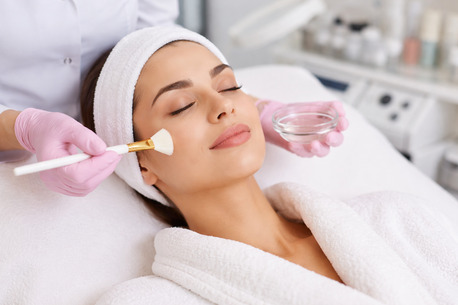
Dubai’s fast-paced lifestyle, intense sun exposure, and environmental factors can take a toll on skin health. As a result, many individuals seek effective, non-invasive treatments to restore clarity and radiance. One of the most trusted options is the chemical peel—a clinically proven solution for improving skin tone, texture, and overall glow.
Chemical peel treatments in Dubai are widely chosen for their ability to deliver visible results with minimal downtime, making them ideal for those balancing busy schedules with skincare goals.
What is a chemical peel?
A chemical peel is a professional skin-resurfacing treatment that uses a carefully formulated solution to exfoliate and remove damaged outer layers of skin. This process stimulates cell renewal, revealing smoother, brighter, and healthier-looking skin underneath.
Chemical peels can help improve:
Acne and post-acne marks
Hyperpigmentation and melasma
Sun damage and tanning
Fine lines and early signs of aging
Enlarged pores and uneven texture
A qualified specialist selects the peel type based on your skin condition, sensitivity, and desired results.
Why Chemical Peel Treatments Are Popular in Dubai
Dubai’s climate plays a significant role in common skin concerns. Frequent sun exposure can lead to pigmentation and uneven tone, while air-conditioned environments may contribute to dryness and dullness.
Chemical peels are in high demand because they:
Provide quick, noticeable skin improvement
Require little to no downtime (for lighter peels)
Can be customized for different skin types
Fit easily into modern, busy lifestyles
They are often used as part of a broader skincare plan, alongside sun protection and medical-grade skincare products.
Common Skin Concerns Treated with Chemical Peels
Chemical peels are clinically used to address multiple skin concerns, from pigmentation to early signs of aging, including:
Acne and breakouts
Dark spots and pigmentation
Uneven skin tone
Dull or tired-looking skin
Rough or congested texture
Fine lines and mild wrinkles
For best results, treatments are typically performed in a series, allowing gradual and controlled skin improvement.
Types of Chemical Peels
Chemical peels are generally categorized into three levels:
1. Light Peels
Gentle exfoliation
Ideal for mild pigmentation, dullness, and acne
Minimal downtime
2. Medium Peels
Targets deeper pigmentation and acne scars
Improves skin texture and tone
Requires a few days of recovery
3. Deep Peels
Intensive treatment for advanced skin concerns
Performed under strict medical supervision
Longer recovery period
Common ingredients include:
Glycolic acid
Salicylic acid
Lactic acid
Trichloroacetic acid (TCA)
Each formulation is selected based on individual skin needs and tolerance.
How the Treatment Works
A chemical peel session typically involves:
Consultation
A detailed skin assessment, medical history review, and discussion of goals.
Preparation
Cleansing the skin helps to remove oil and impurities.
Application
The peel solution is applied for a controlled duration. Mild tingling or warmth is normal.
Post-treatment care
Soothing products are applied, along with aftercare instructions.
Benefits of Chemical Peel Treatments
Chemical peels offer multiple skin-enhancing benefits:
Reveal brighter, fresher skin
Improve skin texture and smoothness
Reduce acne marks and pigmentation
Promote collagen renewal
Enhance overall skin clarity and glow
Results can often be noticed within 7–10 days, depending on the peel type.
Who is a suitable candidate?
Chemical peels are suitable for many adults who are experiencing:
Pigmentation issues
Acne or acne scars
Uneven texture
Dull skin
However, they may not be suitable for individuals with:
Active skin infections
Open wounds
Highly sensitive or reactive skin conditions
A professional consultation is essential to determine suitability and ensure safety.
What to Expect After Treatment
Post-treatment effects vary depending on peel strength but may include:
Mild redness and sensitivity
Dryness or tightness
Light to moderate peeling
Aftercare Tips:
Avoid direct sun exposure
Use broad-spectrum sunscreen daily
Keep skin moisturized
Avoid harsh products temporarily
Proper aftercare helps maximize results and minimize irritation.
Choosing the Right Clinic in Dubai
Selecting a qualified clinic is crucial for safe and effective results. Look for:
Experienced skincare professionals
Personalized treatment plans
Proper consultation process
High hygiene and safety standards
Clinics such as DrypSkin are part of Dubai’s growing aesthetic landscape, offering tailored skin treatments. However, patients should always compare options and choose providers that align with their comfort and skincare goals.
Why Professional Guidance Matters
Chemical peels are not one-size-fits-all treatments. Skin type, sensitivity, and concerns vary significantly from person to person.
Professional guidance ensures:
Correct peel selection
Reduced risk of complications
Better, more consistent results
Conclusion
Chemical peel treatments offer a reliable, dermatologist-recommended, non-invasive way to achieve smoother, clearer, and more radiant skin. With the right approach, they can effectively target concerns such as pigmentation, acne marks, and uneven texture.
If you are considering a chemical peel in Dubai, start with a professional consultation to create a treatment plan tailored to your skin’s needs and long-term goals.
Book your consultation today and get a personalized chemical peel plan tailored to your skin goals.
FAQs
Q1. What is a chemical peel?
A chemical peel is a skin treatment that removes dead skin cells using a specialized solution to improve skin appearance.
Q2. Is a chemical peel safe in Dubai?
Yes, when performed by qualified professionals after proper skin assessment, it is generally safe.
Q3. How long does recovery take?
Light peels may require minimal downtime, while medium peels can take several days for full recovery.
Do chemical peels improve the appearance of acne scars?
Yes, they can improve acne scars and marks, especially when done in a series.
Q5. How many sessions are needed?
This depends on the skin concern and peel type, but multiple sessions are often recommended for optimal results.