Core Technologies Powering Modern Access Control Devices
A contemporary Access Control Device is far more than an electronic lock. It is an intelligent endpoint that captures, validates, and logs every entry event. The following technologies define the current generation:
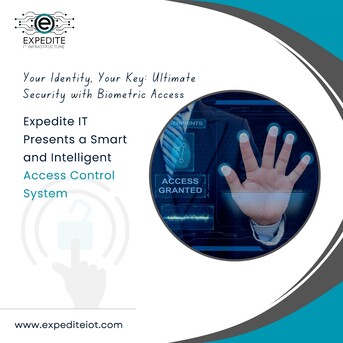
• Biometric Readers: Fingerprint, iris, and facial recognition eliminate credential sharing, a leading cause of unauthorized access in multi-tenant facilities.
• Smart Card & RFID Modules: Contactless cards and mobile credentials (NFC/BLE) reduce physical touchpoints — a post-pandemic priority for high-traffic environments.
• Video-Integrated Controllers: IP camera feeds synchronized with entry events provide instant visual verification, supporting forensic investigations and compliance audits.
• Edge-AI Processing: On-device inference allows real-time threat scoring without cloud latency, critical for high-security zones such as data centers and government buildings.
• Cloud & On-Premise Hybrid Management: Role-based dashboards let security managers grant or revoke permissions remotely, enabling agile response to workforce changes.
Door Access Control: The Front Line of Physical Security
Door Access Control is the most visible layer of any enterprise security strategy. In Oman, where open-plan offices and shared co-working spaces are proliferating alongside traditional walled compounds, deploying intelligent door controllers ensures that only verified personnel enter sensitive areas. Modern door controllers support multi-factor authentication (MFA) — combining something you have (a card), something you know (a PIN), and something you are (a biometric) — dramatically reducing the risk of tailgating and social engineering.
Integration with HR platforms and visitor management systems means that when an employee is onboarded or terminated, their door permissions are updated automatically — eliminating the administrative lag that has historically been exploited by malicious insiders.
Access Control System in Oman: Sector-Specific Deployments
Government & Critical Infrastructure
Ministries, border control points, and utility plants across Oman require access control frameworks that comply with the Royal Oman Police's security directives. An enterprise-grade Access Control System Oman deployment in these environments typically includes anti-passback logic, multi-door interlocking (mantraps), and integration with national identity verification databases, ensuring zero tolerance for unauthorized entry.
Access Control System Muscat — Commercial & Retail
Muscat, the capital and commercial engine of Oman, hosts corporate headquarters, luxury hotels, and mixed-use developments that demand seamless yet secure visitor flows. An optimized Access Control System Muscat deployment balances user experience — frictionless entry for employees — with strict perimeter control. Features such as license-plate recognition for parking integration and mobile-credential issuance via apps are now standard expectations for Class-A office buildings in Muscat.
Access Control System Salalah — Industrial & Port Zones
Salalah's free-trade zone and deep-water port are among the busiest logistics nodes in the Arabian Sea. An industrial-grade Access Control System Salalah must withstand harsh coastal climates — high humidity, salt air, and extreme temperatures — while managing thousands of contractor and shift-worker identities simultaneously. Ruggedized readers, explosion-proof enclosures, and vehicle access control barriers are integral components in this environment.
Expedite IoT: Trusted Access Control Solutions for the Omani Market
Expedite IoT delivers end-to-end Access Control Solutions engineered for the GCC's unique regulatory and environmental landscape. With proven deployments across Saudi Arabia, Qatar, and Oman, the company brings deep domain expertise in system design, installation, and ongoing managed security services. Their portfolio spans entry-level door controllers for small offices to enterprise-wide, multi-site platforms managing tens of thousands of credentials — all underpinned by 24/7 local support.
What distinguishes Expedite IoT is its consultative approach: every project begins with a site-risk assessment and compliance mapping against Oman's security standards, ensuring that the proposed system is not merely technically capable but also legally defensible in the event of an audit or incident investigation.
Conclusion
Oman's trajectory toward a diversified, knowledge-based economy demands infrastructure that is as intelligent as it is secure. Deploying a comprehensive Access Control System — from sophisticated Door Access Control solutions in Muscat's corporate towers to ruggedized perimeter management in Salalah's port facilities — is no longer optional; it is a strategic imperative. With the right technology partner, Omani organizations can build security ecosystems that protect assets, enable compliance, and scale seamlessly with growth. Expedite IoT stands ready to design, deploy, and support access control architectures that future-proof your security investments across the Sultanate.