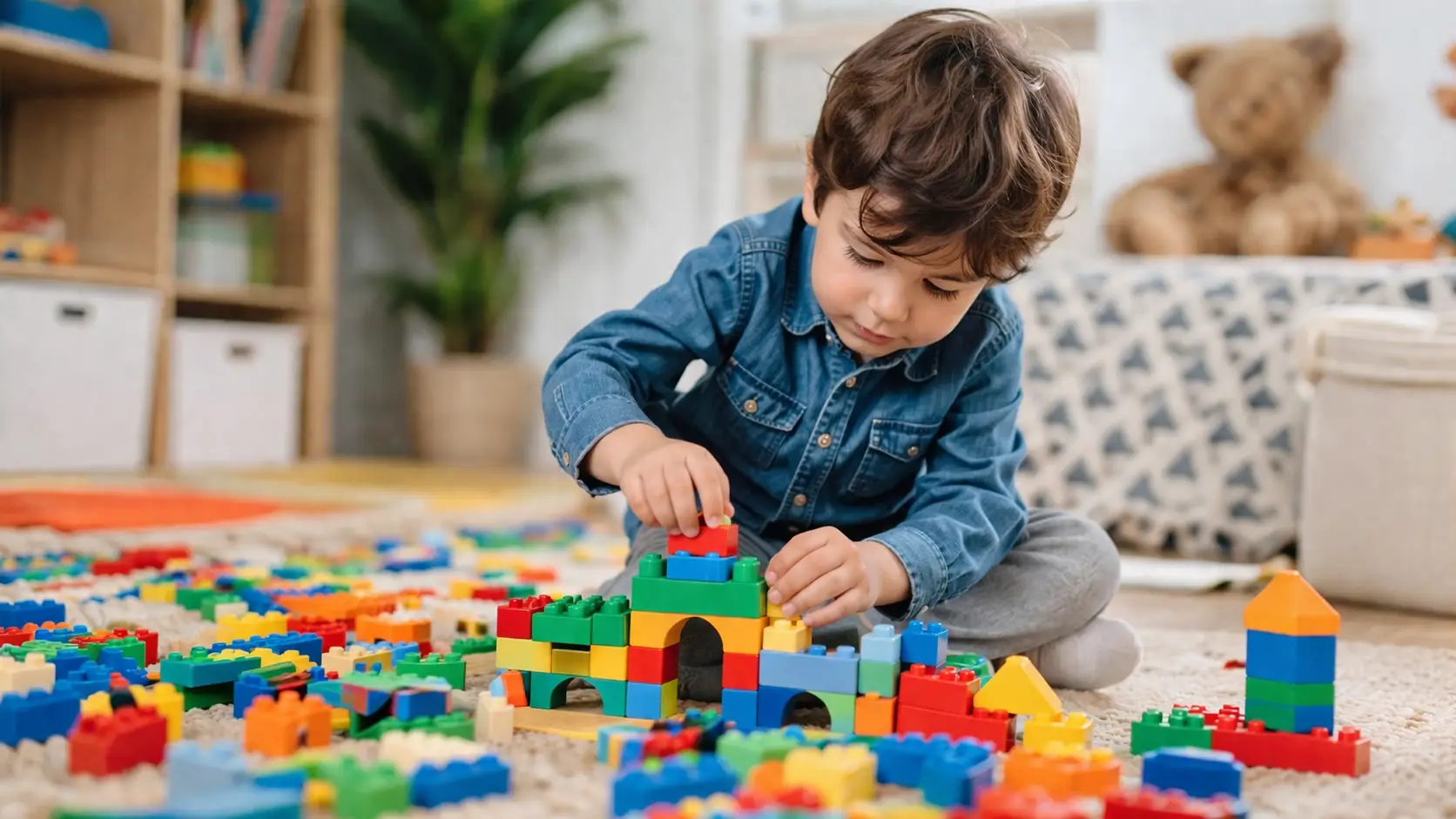
Whether a child is running through a playground, building a tower with blocks, or sitting down for a board game with family, every single game teaches something valuable. The importance of games for children spans across physical health, mental sharpness, emotional strength, and social skills.
In today’s world — where screens, school pressure, and packed schedules consume childhood — understanding the importance of games is more critical than ever. Games teach friendship, teamwork, creativity, and resilience. They are not a break from learning. They ARE learning.
importance of games
Why the Importance of Games Goes Beyond Fun
Most adults think of games as entertainment. But child development experts, pediatricians, and even the United Nations recognize the importance of games as essential to a child’s well-being — just as important as sleep, food, and education.
Here are the core reasons why the importance of games is backed by science:
Games strengthen the body, mind, and emotional health together
Games teach children how to handle winning and losing
Games build teamwork, communication, and problem-solving
Games reduce stress and anxiety in children
Games make learning naturally enjoyable — without pressure
Games help children form meaningful friendships
Games develop self-confidence and independence
💡 “The importance of games is so strongly proven that the UN High Commission on Human Rights classifies free play as a fundamental right of every child.”
When children sit and listen, they retain only a fraction of information. But when they play — when they move, experiment, fail, and try again — they absorb lessons that last a lifetime. This is the true importance of games in our life.
Child development experts have frequently stated that children should play just like they should be able to sleep, eat, and have education. Play does not mean a halt to learning. Play is learning.
6 Key Areas Where the Importance of Games Shapes Child Development
The importance of games in child development is best understood across six core areas. Each one plays a critical role in shaping who your child becomes.
1. Physical Development
importance of games
Outdoor games and sports are among the most direct ways to keep children physically healthy. Running, jumping, climbing, throwing, and balancing all help build strong, active bodies.
Children who play physical games regularly tend to develop better balance and coordination, stronger bones and muscles, improved flexibility, sharper hand-eye coordination, and higher energy levels overall.
Even basic games like skipping, cycling, or playing catch build foundational movement skills. Sports like football, basketball, cricket, and badminton build endurance and strength as children grow older.
The importance of games for physical health also reduces the risk of health issues tied to excessive screen time. Children who stay active through play are healthier, leaner, and more energetic.
2. Cognitive (Brain) Development
importance of games
The importance of games for the brain is massive. Games demand that children make decisions, plan ahead, think logically, and solve problems — all essential cognitive skills.
Playing chess, for example, requires thinking several moves ahead. Puzzle games train pattern recognition. Strategy games build critical thinking and decision-making skills.
Games help children develop:
Memory and concentration
Problem-solving and critical thinking
Logical reasoning and decision-making
Creative and independent thinking
Word games expand vocabulary. Number games sharpen math skills. The best games make children curious — and teach them that effort and persistence overcome any challenge.
3. Social Development
importance of games
No classroom lesson teaches social skills as effectively as games do. When children play together, they naturally learn how to share, take turns, follow rules, listen to others, and work as a team.
Group games and sports are especially valuable. Children discover that winning isn’t everything — how you play, how you treat teammates, and how you handle defeat all matter just as much.
A child who plays football learns to pass the ball and trust teammates. A child who plays a board game learns patience waiting for their turn. These real experiences shape the social confidence children carry for life.
4. Emotional Development
importance of games
Games expose children to a full range of emotions — joy, excitement, frustration, disappointment, and pride. Learning to handle all of these feelings is one of the most important gifts of play.
When a child loses, they learn to handle disappointment gracefully. When they win, they learn humility. When they keep making mistakes, they learn patience and persistence.
Children today face immense pressure from school and schedules. The importance of games for emotional health is that play gives children a safe space to decompress, have fun, and reset their mood naturally.
5. Language and Communication Skills
importance of games
Games naturally push children to talk, listen, explain, and express ideas. Whether playing with friends, family, or classmates, communication happens constantly during play.
Storytelling games develop speaking skills. Word games expand vocabulary. Role-play teaches the art of conversation. Team games train children to listen carefully and follow verbal instructions.
Children who engage regularly in game-based communication develop stronger language skills and feel more confident speaking in school and social situations.
6. Creativity and Imagination
importance of games
Pretend play, building games, and storytelling unlock a child’s imagination in ways structured learning simply cannot. A cardboard box becomes a spaceship. A few toy figures become characters in an epic adventure.
Creative games help children think independently, explore new ideas, and express themselves freely. These are exactly the skills that separate great thinke