When applied correctly, the best concrete driveway sealers offer a protective shield, keeping your driveway looking great while extending its lifespan. Whether you are a homeowner looking for a DIY solution or a business owner seeking professional paving contractors, understanding the various types of sealers and their benefits is crucial.
In this comprehensive guide, we’ll review the best concrete driveway sealers, their benefits, and provide useful tips for selecting and applying the right product for your needs. If you're in Connecticut, Crossroads Paving CT offers exceptional driveway sealing services that ensure lasting results.
What is a Concrete Driveway Sealer?
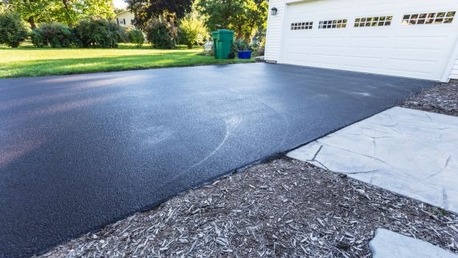
A concrete driveway sealer is a protective layer that you apply to your concrete driveway. It helps to shield the surface from environmental elements like rain, snow, UV rays, and chemical spills. Sealing your concrete driveway can prevent cracks, stains, and other forms of wear and tear, enhancing the driveway's appearance and longevity.
There are various types of concrete sealers available, each offering different levels of protection, finishes, and applications. Understanding the differences between them will help you choose the best one for your specific needs.
Top Concrete Driveway Sealers
Acrylic Concrete Sealers
One of the most popular and widely used types of concrete driveway sealers is acrylic-based sealers. These sealers are easy to apply and provide a high level of protection. Acrylic sealers can be either water-based or solvent-based formulas.
Water-based acrylic sealers are easier to clean and have a more natural finish, offering slight gloss and subtle enhancement of color.
Solvent-based acrylic sealers, on the other hand, provide a stronger gloss and tend to penetrate deeper into the concrete for better protection against the elements.
Acrylic sealers are ideal for driveways with light traffic and are excellent for decorative concrete surfaces. Their simplicity and relatively low cost make them a favorite among DIY enthusiasts and professional driveway contractors alike.
Benefits of Acrylic Sealers:
Enhances the color and appearance of concrete
Easy to apply with minimal preparation
Quick drying time
Provides moderate UV protection
Polyurethane Sealers
Polyurethane sealers are one of the most durable and long-lasting options for concrete driveways. These sealers offer exceptional protection against wear, weather, and UV damage. They are perfect for high-traffic areas, such as driveways that experience a lot of vehicles or harsh weather conditions.
Polyurethane sealers create a strong and glossy finish that enhances the look of your concrete driveway. While they are more challenging to apply than acrylics, the results are well worth the extra effort. Polyurethane sealers come in both water-based and solvent-based varieties, with solvent-based versions being more durable and resistant to abrasions.
Benefits of Polyurethane Sealers:
Superior durability and protection
Provides a high-gloss finish that enhances color and appearance
Resistant to chemical spills, oils, and grease
Suitable for high-traffic driveways
Epoxy Sealers
Epoxy sealers are a high-performance option, known for their incredible bonding strength and long-lasting results. These sealers create a thick, durable coat on the surface of your driveway, offering protection from stains, cracks, and other damages.
Epoxy is best for concrete driveways that require a heavy-duty solution, such as driveways subjected to extreme weather conditions or commercial properties with high traffic. Though epoxy sealers can be more difficult to apply, their protective qualities make them an excellent investment.
Benefits of Epoxy Sealers:
Extremely durable and long-lasting
Great for high-traffic and industrial applications
Provides excellent protection from chemicals and UV rays
Creates a sleek and glossy finish
Siliconate Sealers
Siliconate sealers are a more advanced form of penetrating sealer, providing deep protection against water and oil. These sealers bond chemically with the concrete, offering superior penetration and providing long-lasting protection without altering the surface's appearance.
If you are looking for a low-maintenance solution that doesn’t affect the color or texture of your driveway, siliconate sealers are an excellent choice.
Benefits of Siliconate Sealers:
Penetrates deep into the concrete for superior protection
Doesn’t alter the appearance of the driveway
Great for preventing stains and water damage
Ideal for high-moisture environments
Benefits of Sealing Your Concrete Driveway:
Enhanced Curb Appeal:
A freshly sealed driveway looks polished and clean. It gives your home or business an instant upgrade, increasing its curb appeal and making it more attractive to potential buyers.
Increased Longevity:
Sealing protects the concrete from water penetration, oil stains, and other elements that can cause damage. By preventing cracks and surface degradation, sealing extends the lifespan of your driveway.
Prevention of Cracks and Wear:
Concrete is prone to cracks, especially in areas with freeze-thaw cycles. A high-quality sealer creates a protective layer that prevents water from seeping into the cracks, which helps to prevent further damage.
UV Protection:
UV rays can cause concrete to fade and degrade over time. Many sealers contain UV inhibitors that prevent this damage, keeping your driveway looking fresh and vibrant.
Here are the steps you need to follow:
Clean the Driveway:
Before applying any sealer, make sure the surface is clean and free from dirt, debris, or oil stains. Use a pressure washer or a hose to clean the driveway thoroughly. If needed, use a concrete cleaner for stubborn stains.
Repair Cracks:
If there are any cracks in your driveway, use a concrete patching compound to fill them in. This will help ensure that the sealer adheres properly and creates a smooth surface.
Apply the Sealer:
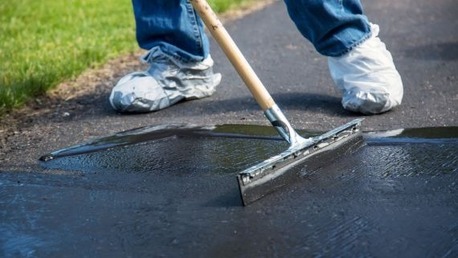
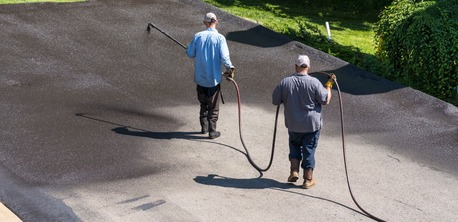
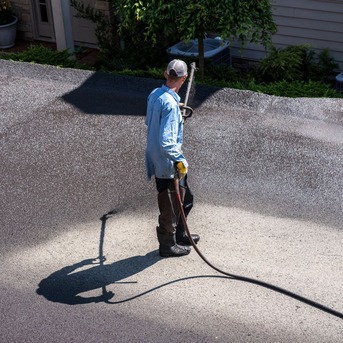
Use a roller or sprayer to apply the sealer to your driveway. Make sure to apply it evenly and in thin layers, working in small sections. Allow each layer to dry before applying additional coats if needed.
Allow Drying Time:
Once the sealer is applied, allow it to dry for at least 24 hours before using the driveway. Avoid parking vehicles or walking on the driveway during this time to ensure the sealer cures properly.
Frequently Asked Questions (FAQs):
How often should I seal my concrete driveway?
Typically, concrete driveways should be sealed every 2-3 years, depending on the wear and tear from weather and traffic.
Can I apply a sealer myself?
Yes, many concrete driveway sealers are available for DI