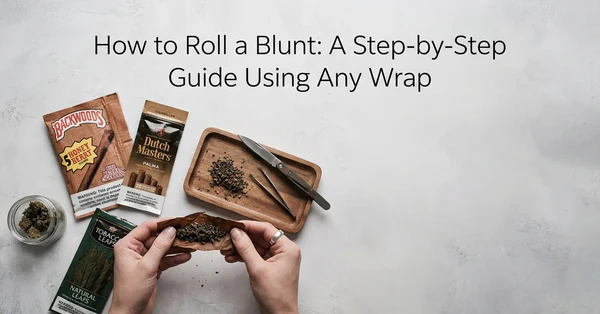
The primary difference between a joint and a blunt lies in the material and the experience. While joints are quick and convenient, blunts are an event. The thickness of the wrap allows for a more robust draw and a burn that can last three to four times longer than a standard paper. This makes them the preferred choice for social gatherings or long sessions. In this blunt rolling guide, we will walk you through every nuance of the process, from choosing the right leaf to achieving that perfect, airtight seal. Whether you are looking for how to roll a blunt step by step or specific tips on working with delicate natural leaves, this comprehensive guide has you covered.
Choosing Your Wrap: Tobacco, Hemp, or Natural Leaf?
Before you can learn how to roll a blunt, you must decide what kind of wrap suits your lifestyle and palate. The market has evolved significantly from the days when your only option was a gas station cigarillo. Today, smokers can choose between traditional tobacco-based wraps, natural whole leaves, and innovative tobacco-free alternatives.
Traditional cigarillos are perhaps the most popular entry point for beginners. Brands like Swisher Sweets Regular Cigarillos offer a consistent, machine-made product that is easy to split and roll. If you are learning how to roll a swisher, you’ll find the material is relatively forgiving and holds its shape well. Similarly, learning how to roll a dutch using Dutch Masters Palma Cigars provides a classic experience with a slightly slower burn due to the natural leaf outer layer found on many Dutch products.
For those who prefer a more organic experience, natural leaf wraps are the gold standard. These are literally whole tobacco leaves that have been cured and cut for smoking. Learning how to roll a leaf wrap requires a bit more finesse because the veins in the leaf can affect the structural integrity. However, the flavor is unmatched. If you want to avoid tobacco altogether, tobacco-free herbal wraps have become incredibly popular. Learning how to roll a hemp wrap is very similar to rolling a traditional blunt, but you get to enjoy a clean, nicotine-free experience. These wraps are often more sustainable and come in a variety of terpene-infused flavors that enhance your flower rather than masking it.
Now, let’s get into the heart of the matter. This how to roll a blunt step by step guide is designed to work with almost any wrap, though we will highlight specific nuances for different materials as we go.
1. Prepping the Flower
Start by grinding your flower. You want enough to fill the wrap comfortably—usually between 1 and 2 grams depending on the size of the wrap. Avoid grinding it into a fine powder; you want small, consistent nuggets that allow air to pass through. If the grind is too fine, the blunt will be hard to pull; if it's too chunky, it will burn unevenly.
2. Preparing the Wrap
If you are using a cigarillo, you need to "split" it. Use a small blade or your thumbnails to create a straight line from the tip to the end. Gently empty the tobacco filler (you can discard this or save it if you enjoy spliffs). If you are using "flat wraps" like Good Times Watermelon Flat Wraps, they come ready to roll right out of the pouch.
3. Moistening the Wrap
This is a crucial step in how to roll a perfect blunt. A dry wrap will crack and tear. You need to learn how to moisten a blunt wrap using just enough moisture to make it pliable. Most people use a bit of saliva along the edges, but you can also use a damp paper towel if you prefer to keep things more hygienic. The goal is to make the wrap feel like soft leather rather than stiff paper.
4. Loading the Wrap
Place your ground flower into the center of the wrap. Distribute it evenly along the length, but leave a little bit of space at the ends to prevent the flower from falling out during the tuck. This is the stage where you learn how to pack a blunt—you want it full, but not so tight that air can't move through it.
5. The Tuck and Roll
This is where the magic happens. Using your thumbs and index fingers, begin to roll the wrap back and forth to compress the flower into a cylindrical shape. Once the shape is formed, tuck the bottom edge of the wrap over the flower and under the top edge. This is the most difficult part of the blunt rolling technique, so take your time.
6. The Seal
Once tucked, you need to know how to seal a blunt. Lick the remaining edge of the wrap and press it down firmly. If you are using a natural leaf, you may need a bit more moisture to get it to stick. After sealing, run a lighter quickly back and forth along the seam to "bake" it. This dries the moisture and creates a firm, airtight bond.