What Is Accounting for Hospitality?
Accounting for hospitality focuses on tracking daily revenues, expenses, inventory, and operational costs across multiple departments. It ensures that financial data reflects real-time performance, helping businesses maintain control over their finances.
Key Components of Hospitality Accounting
• Revenue Management: Tracking income from rooms, food, beverages, and other services
• Expense Control: Monitoring operational costs like staff wages, utilities, and supplies
• Inventory Management: Managing stock for food, beverages, and housekeeping supplies
• Payroll Management: Handling employee salaries, tips, and service charges
• Departmental Accounting: Separating financials for different business units
Unique Challenges in Hospitality Accounting
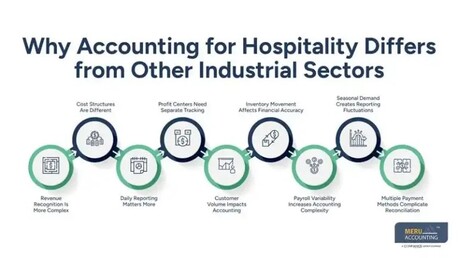
• High volume of daily transactions
• Multiple revenue sources across departments
• Seasonal fluctuations in demand
• Managing inventory and wastage
• Ensuring compliance with tax and labor regulations
Benefits of Effective Hospitality Accounting
• Improved Profitability: Identifies cost-saving opportunities
• Better Cash Flow Management: Tracks inflows and outflows efficiently
• Accurate Financial Reporting: Provides clear insights into business performance
• Operational Efficiency: Streamlines financial processes
• Compliance Assurance: Meets regulatory and tax requirements
How Accounting for Hospitality Works
1. Record daily transactions from all revenue streams
2. Track expenses and allocate costs to departments
3. Reconcile accounts regularly
4. Monitor inventory and payroll
5. Generate financial reports for analysis
Technology in Hospitality Accounting
Modern hospitality businesses use cloud-based accounting software and integrated systems like POS and property management tools. These technologies enable real-time tracking, automation, and improved accuracy.
Why Hospitality Businesses Need Specialized Accounting
Hospitality businesses operate in a fast-paced environment with complex financial structures. Specialized accounting ensures proper tracking, better decision-making, and efficient resource management.
Conclusion
Accounting for hospitality is essential for maintaining financial control in a dynamic and competitive industry. By implementing structured accounting practices and leveraging technology, hospitality businesses can improve efficiency, enhance profitability, and ensure long-term success.
Meru Accounting understands the financial structure of hospitality businesses. Our team supports hotels, restaurants, resorts, and related businesses with accounting services designed for industry needs.
FOR MORE INFO : https://www.meruaccounting. ...