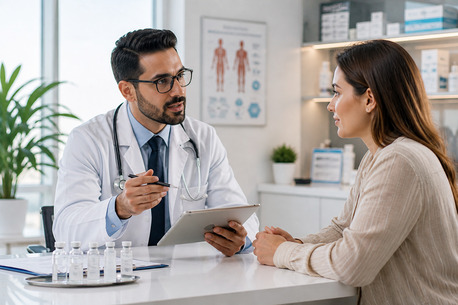
Peptide therapy is gaining recognition as a targeted and scientifically grounded approach to improving overall health, recovery, and age-related concerns. In Dubai’s advanced healthcare environment—where preventive medicine and personalized treatments are increasingly prioritized—peptide-based protocols are being integrated into both wellness and aesthetic care.
Rather than offering temporary or surface-level improvements, peptide therapy works at a cellular level, supporting the body’s internal repair systems and regulatory functions.
Many clinics operate under regulations set by the Dubai Health Authority (DHA), ensuring adherence to safety and quality standards.
What Is Peptide Therapy?
Peptide therapy involves the therapeutic use of short chains of amino acids, known as peptides, which function as biological messengers in the body. These molecules signal specific cells to perform targeted actions, such as producing hormones, repairing tissues, or initiating anti-inflammatory responses.
Clinically used peptides may include:
Endogenous compounds are substances that the body naturally produces.
Laboratory-developed analogues designed to replicate or enhance natural functions
Peptides can influence specific physiological processes without broadly affecting unrelated systems.
How Peptides Work in the Body
Peptides interact with cell surface receptors, triggering controlled biological responses. This receptor-based mechanism allows clinicians to direct treatment outcomes with a high degree of precision.
Depending on the peptide selected, therapeutic effects may include:
Activation of growth hormone release pathways
Stimulation of collagen and elastin production
Acceleration of tissue repair and wound healing
Modulation of inflammatory responses
Support for metabolic and immune regulation
This targeted signaling approach makes peptide therapy particularly relevant in regenerative medicine and performance optimization.
Commonly Used Peptides in Clinical Practice
Treatment protocols are tailored to individual goals, with specific peptides selected based on desired outcomes:
BPC-157: Often used to support soft tissue repair, including muscles, tendons, and ligaments
GHK-Cu (Copper Peptide): Known for its role in skin remodeling, collagen synthesis, and improving skin quality
CJC-1295: A growth hormone-releasing peptide that supports muscle development and metabolic efficiency
Ipamorelin: Frequently used to enhance recovery, promote better sleep cycles, and support lean muscle maintenance
Each peptide is prescribed within a structured plan, often combining multiple agents for synergistic effects.
Key Benefits of Peptide Therapy
When prescribed and monitored by medical professionals, peptide therapy may contribute to:
Improved skin firmness, hydration, and elasticity
Enhanced physical recovery following exercise or injury
Increased energy levels and reduced fatigue
Support for healthy metabolic function and body composition
Regulation of sleep patterns and hormonal balance
Improved mental clarity and cognitive performance
Outcomes vary depending on the treatment protocol, consistency, and individual biological response.
Why Dubai Is a Leading Destination for Peptide Therapy
Dubai has positioned itself as a center for advanced medical and aesthetic treatments, supported by:
Modern clinical infrastructure
Internationally trained healthcare professionals
Emphasis on personalized and preventive care
Many clinics in the city follow structured treatment protocols and utilize pharmaceutical-grade compounds, aligning with globally accepted clinical practices. This combination attracts both residents and international patients seeking evidence-based wellness solutions.
What to Expect During Treatment
Peptide therapy begins with a comprehensive medical consultation, where practitioners evaluate:
Health history
Lifestyle factors
Treatment goals
Based on this assessment, a customized protocol is developed.
Following the initial assessment, clinicians may also consider peptides that have shown potential to support improved recovery markers, particularly in areas such as muscle repair and inflammation management.
Administration Methods
The most common method is subcutaneous injection, which allows efficient absorption and consistent dosing. Some peptides may also be available in topical or oral forms, depending on their stability and intended use.
Treatment Timeline
Sessions are typically brief, often completed within 15–30 minutes
Early improvements may become noticeable within a few weeks
Optimal results generally develop over a structured treatment period with regular monitoring
Follow-up consultations ensure that the therapy remains effective and adjustments are made when necessary.
Safety Considerations
Peptide therapy is generally regarded as safe when prescribed and overseen by qualified medical professionals. However, it is essential to recognize that this treatment may not be appropriate for everyone.
Important considerations include:
Individual medical history
Existing health conditions
Appropriate dosage and duration
Quality and source of peptide compounds
Ongoing supervision helps minimize risks and ensures that treatment remains aligned with patient goals.
Understanding Peptide Injections
Subcutaneous peptide injections are widely used due to their reliability and bioavailability. Patients are often guided on proper self-administration techniques when home use is part of the treatment plan.
Peptides are increasingly being used in preventive medicine, extending beyond aesthetic applications to support long-term health optimization.
Choosing the Right Clinic in Dubai
Choosing a reputable clinic is critical to ensuring both safety and optimal treatment outcomes. Key considerations include:
Qualified and licensed medical professionals
Use of clinical-grade, regulated compounds
Personalized treatment planning
Clear protocols for hygiene and patient safety
Ongoing monitoring and follow-up care
Clinics specializing in regenerative or functional medicine often provide more comprehensive peptide therapy programs.
Frequently Asked Questions
Q1. Why is peptide therapy popular in Dubai?
Dubai’s healthcare sector emphasizes innovation and personalized medicine, making advanced therapies like peptides widely accessible and professionally managed.
Q2. How do peptide injections work?
They deliver targeted signaling molecules that help regulate biological processes such as cell repair, hormone production, and metabolism.
Q3. Is peptide therapy suitable for daily use?
Frequency depends on the specific peptide and treatment plan. A qualified practitioner determines the appropriate schedule.
Q4. When can results be expected?
Some individuals notice early improvements within a few weeks, while more measurable results typically develop over 8–12 weeks.
Q5. Can peptide therapy help with aging concerns?
Peptides may support collagen production, skin regeneration, and hormonal balance, which are key factors in managing visible signs of aging.
Q6. Does pe