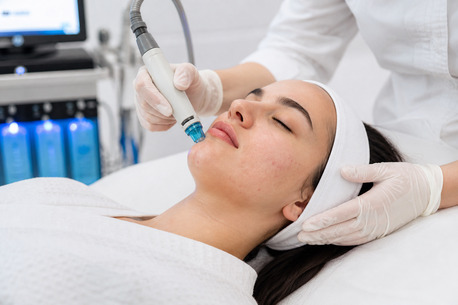
While active acne may fade over time, the scars it leaves behind often remain, impacting both skin texture and self-confidence. In the results-driven aesthetic landscape of Dubai, modern acne scar removal treatments have evolved significantly, offering targeted, non-surgical solutions that provide visible and long-lasting improvements.
Today's approach goes beyond temporary fixes. Instead, dermatology-led treatments focus on skin regeneration, collagen remodeling, and precise resurfacing, all tailored to individual skin needs.
In Dubai's high-UV environment, prolonged sun exposure can worsen post-inflammatory hyperpigmentation and hinder the healing of acne scars. Therefore, professional treatment and sun protection are essential.
Understanding Acne Scars: Why They Form
Acne scars form when inflammation harms the deeper layers of the skin, known as the dermis. During the healing process, the body generates collagen; however, if this process is unbalanced, it can lead to either depressed or raised scars.
Common Types of Acne Scars
Atrophic Scars
Atrophic scars are characterized by depressions in the skin and include the following types:
Ice pick scars are deep, narrow indentations that penetrate the skin's surface.
Boxcar scars are broad indentations with clearly defined edges.
Rolling scars are broad, shallow depressions that create a wave-like skin texture.
Hypertrophic Scars
Hypertrophic scars are raised scars caused by an excess production of collagen.
Post-Inflammatory Hyperpigmentation (PIH)
Post-inflammatory hyperpigmentation refers to darkened patches that often remain after acne heals, and this is especially common in individuals with darker skin tones.
Each scar type responds differently to treatment, which is why it is essential to seek a professional assessment before beginning any procedure.
Advanced Acne Scar Removal Treatments in Dubai
There is no universal solution for acne scars. Leading dermatology clinics in Dubai utilize combination therapy, integrating various techniques to achieve optimal results with minimal downtime.
1. Laser Skin Resurfacing
Laser technologies, including fractional and ablative systems, focus on damaged skin layers to promote collagen renewal. This process leads to smoother texture, improved tone, and diminished visibility of scars.
Fractional CO₂ and Er: YAG laser systems generate controlled microthermal zones in the dermis, stimulating fibroblast activity and speeding up collagen remodeling.
2. Microneedling (Collagen Induction Therapy)
This technique uses fine needles to create controlled micro-injuries, triggering the skin’s natural healing and collagen production. Over time, this process increases the production of collagen and elastin, improving skin firmness and reducing the appearance of scars.
3. Medical-Grade Chemical Peels
Specialized peeling agents help exfoliate the outer layers of skin, decreasing pigmentation and smoothing out surface irregularities. They are especially effective for treating mild scarring and uneven skin tone.
4. Dermal Fillers for Depressed Scars
Hyaluronic acid fillers can temporarily raise indented scars, resulting in a smoother, more even skin surface.
5. PRP (Platelet-Rich Plasma) Therapy
PRP, often combined with microneedling, utilizes growth factors from the patient's own blood to promote healing and enhance tissue regeneration.
What to Expect: Step-by-Step Treatment Journey
Personalized Consultation
A comprehensive skin analysis is performed to evaluate the type, severity, and condition of the scar. Based on this assessment, a personalized treatment protocol is developed, tailored to the scar's morphology, skin phototype, and healing response.
Pre-Treatment Preparation
The skin is thoroughly cleansed, and a topical anesthetic may be applied for comfort during the procedure.
Procedure
Sessions typically last between 30 and 60 minutes, depending on the selected treatment, and are conducted using clinically approved technologies.
Recovery and Aftercare
Most procedures entail recovery time that typically lasts from a few hours to 2–3 days, depending on the intensity of the treatment. Mild redness, sensitivity, or flaking may occur temporarily, but patients can generally resume their daily activities within a short period.
How Many Sessions Are Required?
Treating acne scars is a gradual process, and noticeable improvements usually take place over several sessions as the body regenerates collagen.
The number of sessions you need depends on several factors:
The type and depth of the scars
The person's skin type and their healing response.
The specific treatment method used
In most cases, visible improvements begin within a few weeks and continue to progress over time.
Choosing the Right Clinic in Dubai
Choosing a reputable clinic is crucial for ensuring safe and effective results. When selecting a clinic, take the following factors into account:
Look for board-certified dermatologists or aesthetic physicians.
Ensure they offer customized, evidence-based treatment protocols.
Check for access to advanced technologies, such as fractional lasers and RF microneedling.
Seek transparent consultations with realistic expectations about outcomes.
Clinics like DrypSkin Clinic prioritize evidence-based protocols and utilize advanced technologies, including RF microneedling and fractional laser systems, to deliver consistent, natural-looking results.
Cost of Acne Scar Removal in Dubai
The costs of treatment vary based on the type of procedure, the technology used, and the number of sessions needed. Here is an estimated price range per session:
- Laser treatments: AED 800 – AED 2,500
- Microneedling: AED 500 – AED 1,500
- Chemical peels: AED 300 – AED 1,000
The best way to establish an accurate treatment plan and overall cost is through a personalized consultation.
Prices can vary depending on the technology employed, the expertise of the practitioner, and the complexity of the scarring. Advanced treatments, such as fractional laser, tend to be priced higher due to their precision and ability to provide deeper skin remodeling.
Why Professional Expertise Matters
Treating acne scars involves more than just cosmetic solutions; it requires clinical expertise. Care from experienced professionals ensures that:
Scar types are accurately identified
Advanced technologies are applied safely
Treatment protocols are supported by scientific research
Patients receive realistic expectations and consistent follow-up
This comprehensive approach greatly enhances treatment outcomes and improves patient safety. Dermatologists often suggest combination therapies, as treatments focused on just one aspect rarely address both texture and pigmentation effectively.
Frequently Asked Questions
Q1. Is acne scar treatment painful?
Most procedures are generally well-tolerated, and numbing creams are frequently u