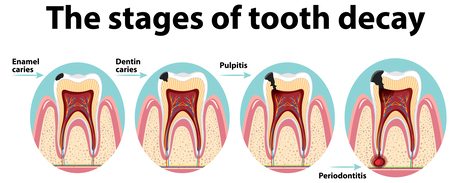
Many people ignore minor dental discomfort until it turns into severe pain. However, recognizing the early symptoms of Tooth Decay can help prevent long-term dental problems and expensive procedures. Tooth decay develops slowly, but if treated at the right time, it can be controlled before it damages the inner layers of the tooth.
One of the first signs of Tooth Decay is tooth sensitivity. If you feel discomfort while eating hot, cold, or sweet foods, it may indicate enamel damage. Sensitivity often appears before visible cavities form, making it an important warning sign that should not be ignored.
Another common symptom is persistent bad breath or an unpleasant taste in the mouth. Bacteria build-up caused by plaque and food particles can slowly lead to decay. Even after brushing, if the bad breath continues, it may signal an underlying dental issue.
White or brown spots on the surface of the teeth are also early indicators of Tooth Decay. White spots usually show the beginning of enamel weakening, while brown or black spots may indicate deeper damage. Visiting a dentist at this stage can help stop the decay from progressing further.
Mild tooth pain while chewing is another warning sign many people overlook. Pain may come and go initially, but it often becomes stronger as the decay spreads. Early consultation and proper tooth decay treatment can save the natural tooth and prevent complications like infections or root canal procedures.
Bleeding gums and plaque accumulation around the teeth can also contribute to dental decay. Maintaining proper oral hygiene, brushing twice daily, flossing, and reducing sugary foods are simple habits that help lower the risk of cavities.
Ignoring dental problems can lead to severe pain, tooth fractures, and even tooth loss. Regular dental checkups play an important role in identifying issues early and starting the right tooth decay treatment before the condition worsens.
For professional dental care and personalized solutions for Tooth Decay, trust Smiles N Braces for advanced and patient-friendly treatments.