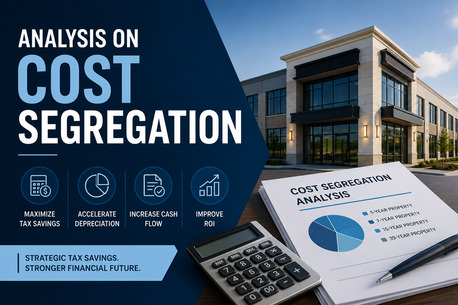
A detailed analysis of cost segregation shows that the primary advantage lies in accelerating depreciation rather than increasing total depreciation. Property owners benefit from stronger near-term liquidity, which can be reinvested into renovations, acquisitions, debt reduction, or operational growth. When combined with bonus depreciation, cost segregation can significantly reduce taxable income during the first year of ownership.
Modern cost segregation services have evolved considerably, making the strategy accessible not only for large commercial assets but also for residential rentals, multifamily properties, short-term rentals, offices, warehouses, and self-storage facilities. Many providers now offer AI-assisted analysis tools, engineering-based studies, audit support, and automated reporting systems that simplify the process for investors and CPAs alike.
An effective cost segregation analysis generally includes:
Property classification review
Engineering-based asset breakdown
IRS-compliant depreciation schedules
Bonus depreciation eligibility review
Tax savings projections
Risk and audit assessment
Return-on-investment evaluation
Industry studies indicate that properly prepared cost segregation reports can produce strong benefit-to-cost ratios, often generating tax savings that significantly exceed the study fee itself. Some providers report first-year deduction increases substantial enough to create immediate financial flexibility for investors.
To know more about us :https://www.costsegregation ...
#cost segregation analysis
#commercial real estate
#commercial property owners
#cost segregation for real estate
#cost segregation reports