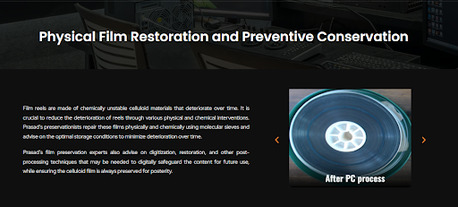
One of the primary benefits of preventive conservation is early risk management. Environmental factors such as humidity, temperature fluctuations, dust, pollution, and improper handling can gradually damage archival materials and media assets. By implementing controlled storage conditions, regular inspections, and proper handling procedures, organizations can prevent irreversible deterioration. This minimizes the need for extensive and expensive restoration treatments in the future.
For film archives, museums, libraries, and collectors, restoration projects can be both time-consuming and costly. Severe damage often requires advanced technologies, specialized expertise, and lengthy restoration processes. However, effective preventive conservation strategies help avoid these major expenses by preserving materials in stable conditions from the beginning. Simple actions such as digitization, climate monitoring, protective packaging, and regular maintenance can extend the lifespan of valuable collections while reducing operational costs.
Companies like Prasad Corp are leading the way in preservation and restoration services through innovative technologies and industry expertise. With years of experience in media preservation, digitization, and archival management, Prasad Corp supports organizations in implementing effective preventive conservation solutions tailored to their needs. Their advanced preservation methods help safeguard irreplaceable content while minimizing the financial burden associated with large-scale restoration projects.
Another important advantage of preventive conservation is improved accessibility and long-term usability. Proper preservation ensures that historical records, films, and cultural artifacts remain available for future generations without requiring repeated restoration work. This creates sustainable preservation practices that benefit institutions, researchers, and audiences alike.
In today’s digital age, preventive conservation also includes digital backup strategies and media migration to protect content from technological obsolescence. Organizations that invest in preventive measures today can avoid data loss, degradation, and expensive recovery procedures later. This proactive approach is essential for maintaining both physical and digital collections efficiently.
Ultimately, preventive conservation is a smart and cost-effective investment for any institution responsible for preserving valuable assets. By taking action before damage occurs, organizations can protect cultural heritage, reduce restoration costs, and ensure long-term preservation success. If you are looking for reliable preservation and restoration expertise, Prasad Corp offers trusted solutions designed to help safeguard your collections for years to come.