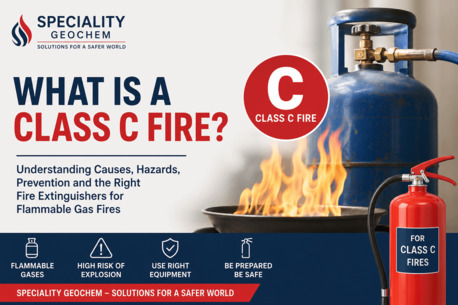
This comprehensive guide explains everything you need to know about Class C fires, including how they start, common examples, associated dangers, preventive measures, and the most suitable fire extinguishers for controlling gas fires. Whether you are a homeowner, safety officer, facility manager, factory owner, or business operator, having knowledge of Class C fire risks can help protect lives, equipment, and property.
In this guide, you will learn:
✔ What a Class C fire is and how it differs from other fire classes
✔ Common causes of gas fires and gas leak incidents
✔ Examples of flammable gases that can cause Class C fires
✔ Potential hazards, including explosions and rapid fire spread
✔ Recommended fire extinguishers for Class C fire emergencies
✔ Best practices for fire prevention and workplace safety
✔ Emergency response tips for handling gas fire situations safely
Fire safety awareness is one of the most effective ways to reduce the risk of accidents and property damage. Read the complete guide from Speciality Geochem and stay informed about proper fire protection measures for gas-related fire hazards.