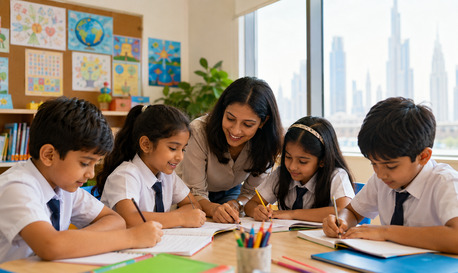
The educational landscape of Indian schools in Dubai has undergone a significant transformation in recent years. While academic excellence remains a priority, parents are increasingly evaluating how schools prepare children for life beyond the classroom. Success is no longer measured solely by examination results and university placements. Families increasingly seek learning environments that help children develop confidence, resilience, creativity, and the skills needed to thrive in a rapidly changing world.
As a result, many Indian schools in Dubai are adapting their educational approaches to meet evolving expectations and prepare students for future opportunities both within and beyond the classroom.
The Changing Priorities of Parents
For many years, discussions about the best Indian schools in Dubai focused largely on board examination scores, academic rankings, and admission to prestigious universities. Although these factors continue to matter, parents are now paying closer attention to the overall student experience.
Today's parents often ask questions such as:
How does the school support students during challenges and setbacks?
Are individual talents and interests recognized beyond academics?
Does the school promote emotional well-being and healthy work-life balance?
What values guide discipline and conflict resolution?
How does the school encourage respect for cultural diversity?
These questions reflect a growing recognition that education should support the development of the whole child rather than focusing exclusively on academic performance.
Why Well-Being Has Become a Priority
Parents today are increasingly aware that academic success is closely linked to a child's emotional well-being. Research from international education organizations has highlighted the importance of mental health, resilience, and social-emotional learning in supporting long-term student achievement. As a result, many families now evaluate how schools support student wellness alongside traditional academic measures.
Moving Beyond the Academic vs. Holistic Debate
The traditional debate between academic excellence and holistic development is becoming increasingly outdated. Modern educational research suggests that these elements are closely connected rather than competing priorities.
Skills such as critical thinking, creativity, adaptability, and problem-solving contribute not only to personal growth but also to academic success. Many extracurricular activities help nurture these abilities in meaningful ways.
For example:
Sports can strengthen teamwork, discipline, and time-management skills.
Performing arts can improve communication, confidence, and memory retention.
Community service projects can develop leadership and empathy.
Unstructured play can support concentration, creativity, and emotional regulation.
Parents are increasingly recognizing that academic achievement and holistic development work together to create well-rounded learners.
The Role of Future-Ready Skills
Employers and universities increasingly value skills that extend beyond subject knowledge. Communication, collaboration, critical thinking, and adaptability are widely regarded as essential competencies for the future workforce. Schools that provide opportunities for project-based learning, leadership activities, and real-world problem-solving can help students develop these capabilities while maintaining strong academic performance.
The Growing Importance of Student Agency
One factor that often receives less attention during school evaluations is student agency—the degree to which students have ownership of their learning experience.
Students are often more invested in their education when they are given opportunities to make choices, share their perspectives, and take ownership of their learning journey.
Schools that promote student agency may provide:
Opportunities to choose project topics
Leadership roles through student councils
Direct access to teachers for academic guidance
Independent learning initiatives and passion projects
Student participation in classroom decision-making
These experiences help students develop confidence, independence, and self-management skills that remain valuable throughout their lives.
Preparing Students for a Multicultural World
Dubai's multicultural environment creates unique opportunities and challenges for children attending Indian curriculum schools in Dubai. Many students navigate multiple cultural influences simultaneously, including family traditions, school culture, diverse peer groups, and life within the UAE.
As a result, parents increasingly value schools that help students develop cultural awareness and global perspectives.
Effective schools often:
Celebrate the diversity of Indian culture rather than presenting a single perspective.
Encourage meaningful interaction with students from different backgrounds.
Foster respect, inclusion, and intercultural understanding.
Prepare students for higher education opportunities in India, the UAE, and international destinations.
Support the emotional and social needs of globally mobile and third-culture children.
These experiences can help students build the adaptability and cultural intelligence increasingly valued in universities and workplaces worldwide.
Learning in Dubai's Diverse Environment
Dubai is home to residents from more than 200 nationalities, creating one of the world's most culturally diverse educational environments. Students who learn alongside peers from different backgrounds gain valuable exposure to varied perspectives, communication styles, and traditions. These experiences can help develop global awareness and intercultural competence, qualities that are increasingly important in higher education and international careers.
A New Approach to Parent-School Partnerships
Parental involvement has also evolved significantly. Traditional communication methods, such as occasional parent-teacher meetings, are no longer sufficient for many families.
Parents now expect greater transparency, regular communication, and opportunities for meaningful collaboration. At the same time, successful partnerships require shared responsibility.
The strongest parent-school relationships are built on:
Open and respectful communication
Collaborative problem-solving
Shared goals for student development
Consistent support between home and school
Parents increasingly understand that a child's success is influenced by multiple factors, including family environment, social relationships, emotional well-being, and personal development—not solely by classroom instruction.
Understanding KHDA's Role in School Quality
When evaluating Indian schools in Dubai, many parents consider ratings issued by the Knowledge and Human Development Authority (KHDA). These inspections assess multiple aspects of school performance, including student achievement, teaching quality, leadership effectiveness, inclusion practices, and student well-being.
While inspection ratings provide valuable insights, they should be viewed as one part of a broader evaluation process. Visiting the school, observing the learning environment, and speaking with teachers and parents can provide a more com