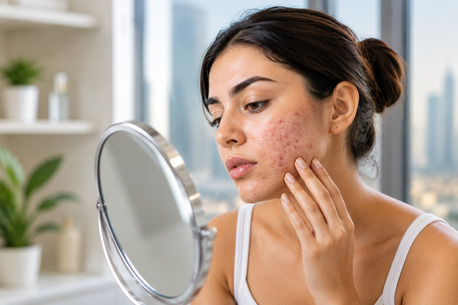
Acne is among the most common reasons people seek dermatological care in Dubai, affecting both adolescents and adults. While often associated with the teenage years, acne can persist well into adulthood and may be influenced by hormonal changes, lifestyle habits, environmental conditions, and genetic predisposition. In Dubai, factors such as year-round heat, humidity, air-conditioned indoor environments, and frequent sun exposure can complicate acne management. Understanding these influences is essential for selecting an effective treatment plan and maintaining long-term skin health.
The Hidden Patterns of Acne in Dubai’s Climate
Dubai's unique environmental conditions can significantly affect the skin's oil production and barrier function. During periods of high humidity, sweat and excess sebum may combine with dead skin cells, increasing the likelihood of clogged pores. Conversely, prolonged exposure to air-conditioned environments can disrupt the skin barrier, leading to dehydration and irritation. In response, the skin may produce additional oil, creating conditions that can contribute to breakouts.
Common acne patterns observed among Dubai residents include:
Increased breakouts following prolonged exposure to hot and humid outdoor conditions.
Hormonal or stress-related acne is concentrated around the jawline and chin.
Oily skin accompanied by signs of dehydration, including tightness and sensitivity.
Acne flare-ups are associated with friction, sweat accumulation, and extended mask use.
Separating Myths from Medical Reality
Most patients who consult dermatologists have already tried various natural remedies before seeking professional help. Many people wrongly believe that rubbing acne vigorously will help, but it actually increases inflammation and makes redness worse. Another common misconception is that sun exposure improves acne. Although sunlight may temporarily dry out active lesions, prolonged exposure can increase irritation and contribute to future breakouts.
Evidence-based facts that must be known:
Diet may influence acne in some individuals, but it is rarely the sole cause.
Popping or manipulating pimples greatly increases the risk of permanent scarring.
Coconut oil and other highly comedogenic ingredients may trigger breakouts in acne-prone skin.
Overwashing can strip the skin’s protective barrier, leading to increased sensitivity and irritation.
In clinical practice, dermatologists frequently encounter patients who believe their acne appeared suddenly, when in reality the underlying pore blockage may have been developing for weeks.
Treatment Pathways: What to Expect at Different Severity Levels
Acne treatment is rarely a one-size-fits-all process. Dermatologists typically develop individualized plans based on acne severity, skin type, previous treatment history, and the presence of scarring or pigmentation.
Mild Acne: Characterized by occasional whiteheads, blackheads, and small inflammatory lesions. Treatment often includes topical retinoids, salicylic acid, benzoyl peroxide, or professionally administered chemical peels.
Moderate Acne: Patients with more frequent inflammatory lesions may require a combination of topical therapies and prescription medications. Consistency is critical, as meaningful improvement often becomes visible after several weeks of treatment.
Severe Acne: Nodular or cystic acne may require systemic treatments such as oral antibiotics, hormonal therapies, or isotretinoin under close medical supervision. Early intervention is particularly important to reduce the risk of permanent scarring.
Typical improvement timelines include:
Mild acne: noticeable improvement within 4–6 weeks.
Moderate acne: visible improvement within 8–12 weeks.
Severe acne: significant improvement often requires 3–6 months or longer.
Individual responses vary, and treatment plans may be adjusted based on progress during follow-up appointments.
The Role of Professional Assessment
When considering any procedure, Dubai dermatologists evaluate several key factors. Skin type—whether oily, dry, or combination—guides the selection of specific active ingredients. The type of lesion is important, as comedonal, inflammatory, and cystic lesions all require different treatment approaches.
During consultations, patients’ lifestyles are carefully assessed. Lifestyle factors such as sleep schedules, stress levels, diet, and occupational demands can influence acne severity and treatment outcomes. For example, shift workers may have changed skin-repair cycles compared to people who keep regular sleep patterns.
Many adults are surprised to learn that acne can continue beyond adolescence, particularly when stress, hormonal fluctuations, and environmental triggers are involved.
Managing Expectations: Realistic Outcomes
One of the most important aspects of acne treatment is setting realistic expectations. Successful treatment does not necessarily mean never experiencing another breakout. Instead, treatment goals often focus on reducing the frequency and severity of lesions, preventing scarring, minimizing pigmentation changes, and improving overall skin quality.
Signs that a treatment plan is working may include:
Fewer new pimples developing each week.
Faster resolution of active lesions.
Reduced redness, tenderness, and inflammation.
Improved skin texture and smoother appearance.
Better control of excess oil production.
Gradual fading of post-acne marks and discoloration.
Even after acne improves, maintenance treatment may be recommended to help sustain results and reduce the likelihood of recurrence.
When Treatment Feels Slow
Acne treatment requires patience. Many therapies work by preventing the formation of new lesions rather than immediately eliminating existing ones. As a result, patients may experience a period where improvement seems to slow despite the treatment continuing to work beneath the surface.
Additionally, some medications increase skin cell turnover, which can temporarily bring previously formed microcomedones to the surface. This process, sometimes referred to as "purging," is generally temporary and may occur during the first few weeks of treatment.
Regular follow-up appointments allow dermatologists to monitor progress, address side effects, and modify treatment plans when necessary. Discontinuing treatment prematurely is one of the most common reasons for relapse and can delay long-term improvement.
FAQs
Q1. How long should you give the treatment before concluding that the acne treatment does not work?
Most acne treatments require at least 8 to 12 weeks before their full benefits become apparent. The exception is oral antibiotics, which can show results in as little as four weeks.
Q2. Can acne treatments worsen the appearance of the skin before they get better?
Yes. Certain acne medications accelerate skin cell turnover, which may temporarily bring existing clogged pores to the surface before visible improvement occurs. The process usually takes about 2 to 4 weeks to complete.
Q3. Is it safe to mix professional treatments and home skin