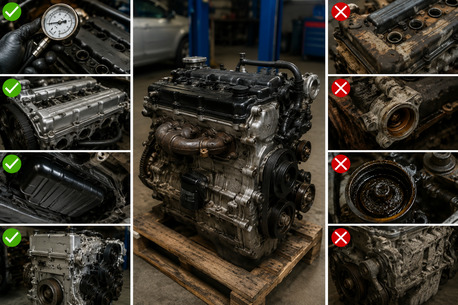
When your vehicle needs an engine replacement, purchasing a used Mitsubishi engine can be a cost-effective and practical solution. Whether you own a Mitsubishi passenger car, SUV, pickup truck, or commercial vehicle, a quality used engine can restore performance while helping you avoid the high costs associated with a brand-new replacement. However, not all used engines offer the same value. Knowing what to check before making a purchase can save you time, money, and future repair headaches.
This ultimate checklist will help buyers make an informed decision when shopping for a used Mitsubishi engine and ensure they get the best value for their investment.
Why Choose a Used Mitsubishi Engine?
Many vehicle owners choose used engines because they provide significant savings compared to new or remanufactured units. A well-maintained used Mitsubishi engine can deliver reliable performance for years when sourced from a trusted supplier.
Benefits include:
* Lower replacement costs
* Faster availability than rebuilding an engine
* OEM factory-built quality
* Environmentally friendly recycling solution
* Suitable for personal and commercial vehicles
Working with a reputable supplier such as Info Auto Parts can help ensure you receive a thoroughly inspected and tested engine.
1. Verify Engine Compatibility
One of the most important steps is ensuring the used Mitsubishi engine matches your vehicle's specifications.
Before purchasing, verify:
* Vehicle year, make, and model
* Engine size and displacement
* VIN number compatibility
* Transmission compatibility
* Emissions requirements
Even engines that appear similar may have different sensors, wiring configurations, or mounting points. Confirming compatibility beforehand helps avoid costly installation issues.
2. Check the Engine Mileage
Mileage plays a significant role in determining the remaining lifespan of a used engine.
Look for engines with:
* Documented mileage records
* Lower mileage than your current engine
* Maintenance history when available
While low mileage is generally desirable, proper maintenance can be just as important. An engine with moderate mileage and excellent service records may be a better investment than one with low mileage and unknown history.
3. Ask About the Donor Vehicle
Understanding the condition of the vehicle the engine came from can provide valuable insight into its reliability.
Questions to ask include:
* Was the vehicle involved in a collision?
* Why was the vehicle dismantled?
* Was the engine running before removal?
* Were maintenance records available?
Engines removed from accident-damaged vehicles often offer excellent value because the engine itself may have been functioning perfectly before the vehicle was retired.
4. Inspect for Visible Damage
A thorough visual inspection can reveal potential problems before purchase.
Look for signs of:
* Cracked engine block
* Oil leaks
* Coolant leaks
* Damaged mounting points
* Broken sensors
* Corrosion or rust
Any visible damage should be carefully evaluated before committing to the purchase. Reputable suppliers typically inspect engines before listing them for sale.
5. Request Compression Test Results
Compression testing is one of the best ways to evaluate engine health.
A compression test can help identify:
* Worn piston rings
* Valve issues
* Internal engine wear
* Cylinder sealing problems
Consistent compression readings across all cylinders indicate the engine is likely in good mechanical condition. Always ask whether compression or leak-down test results are available.
6. Confirm Warranty Coverage
A warranty provides valuable protection and demonstrates confidence in the engine's quality.
Before purchasing, review:
* Warranty length
* Coverage details
* Replacement policies
* Labor coverage options
* Return procedures
Reliable suppliers often provide warranties ranging from several months to multiple years depending on the engine and supplier policies.
7. Review Maintenance History
Maintenance records can reveal how well the engine was cared for throughout its life.
Look for evidence of:
* Regular oil changes
* Cooling system maintenance
* Timing belt replacement
* Spark plug service
* Scheduled manufacturer maintenance
A documented maintenance history can significantly increase buyer confidence.
8. Verify Included Components
Not all used engines are sold with the same accessories and components.
Ask whether the engine includes:
* Intake manifold
* Fuel injectors
* Turbocharger
* Sensors
* Wiring harness
* Alternator
* Starter motor
Knowing exactly what is included helps you calculate the true cost of the replacement project and avoid unexpected expenses.
9. Check for Common Mitsubishi Engine Issues
Different Mitsubishi engine families may have unique concerns.
Research common issues associated with the specific engine model you're buying, such as:
* Timing chain wear
* Oil consumption
* Turbocharger problems
* Cooling system concerns
* Sensor failures
Understanding these potential issues allows you to inspect the engine more carefully and ask informed questions.
10. Buy from a Trusted Supplier
The supplier you choose is just as important as the engine itself.
A reputable supplier should offer:
* Thorough engine inspections
* Verified mileage information
* Warranty coverage
* Customer support
* Transparent pricing
* Quality testing procedures
Established providers like Info Auto Parts help customers find dependable used Mitsubishi engines that meet performance and reliability expectations.
11. Compare Pricing Carefully
While price matters, the cheapest engine is not always the best option.
Consider factors such as:
* Mileage
* Warranty coverage
* Included accessories
* Inspection reports
* Supplier reputation
Paying slightly more for a tested engine with warranty protection can save substantial repair costs later.
Final Thoughts
Buying a used Mitsubishi engine can be an excellent way to extend the life of your vehicle while keeping repair costs under control. However, taking the time to perform proper research and inspections is essential for making a smart investment.
By following this ultimate checklist—verifying compatibility, checking mileage, reviewing maintenance history, requesting test results, inspecting for damage, and choosing a trusted supplier—you can confidently purchase a quality used Mitsubishi engine that delivers dependable performance for years to come.
For drivers seeking reliable replacement engines, Info Auto Parts offers access to thoroughly inspected used Mitsubishi engines backed by quality standards and customer-focused support, h