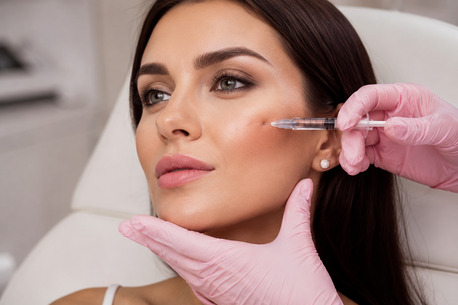
Facial features change gradually with age due to alterations in skin quality, volume, and underlying structures, resulting in softer contours and reduced volume. While these changes are natural, many people seek non-surgical options to restore facial balance. Dermal fillers have become a popular choice for addressing volume loss and enhancing features, especially in Dubai, where they are widely used for facial rejuvenation while maintaining natural results.
Understanding Facial Volume Loss
Facial aging goes beyond fine lines and wrinkles; it involves structural changes beneath the skin that impact facial shape. Factors contributing to volume loss include:
Declining collagen and elastin
Reduction of facial fat pads
Changes in bone structure
Repeated sun exposure
Environmental stressors
Lifestyle factors like smoking, poor sleep, and dehydration
These changes can lead to a hollow, less defined appearance. Dermal fillers are commonly used to restore lost volume in specific areas of the face.
What Are Dermal Fillers?
Dermal fillers are injectable treatments that enhance facial contours, restore volume, and improve facial harmony. Administered by qualified practitioners, they offer a minimally invasive option for those seeking noticeable improvements with minimal recovery time.
Common treatment areas include:
Cheeks
Lips
Jawline
Chin
Temples
Nasolabial folds
Marionette lines
Under-eye hollows
The objective of modern filler treatments is not to dramatically alter appearance but to create subtle improvements that complement natural facial features.
Understanding the Types of Dermal Fillers
While several filler formulations exist, many modern dermal fillers are based on substances designed to integrate smoothly with facial tissues. The choice of filler depends on the treatment area, desired outcome, and individual facial anatomy.
Different fillers may be selected for:
Restoring volume in the cheeks
Enhancing lip shape and definition
Improving jawline contour
Addressing under-eye hollows
Supporting facial symmetry
Practitioners typically choose products based on factors such as tissue thickness, treatment goals, and the level of structural support required in a specific area of the face.
Why Dermal Fillers Continue to Grow in Popularity in Dubai
Dubai has become a leading destination for aesthetic medicine, with many individuals seeking advanced cosmetic treatments that fit into busy lifestyles.
Several factors contribute to the growing popularity of dermal fillers in Dubai:
Non-surgical treatment approach
Short treatment sessions
Minimal downtime
Customized treatment plans
Natural-looking outcomes
Ability to target specific facial concerns
Additionally, Dubai's climate presents unique skincare challenges. Prolonged sun exposure, heat, and environmental stress can contribute to visible signs of aging, prompting many individuals to explore treatments that support facial rejuvenation and overall appearance.
Who May Be Suitable for Dermal Fillers?
Suitability for dermal fillers varies from person to person and depends on individual goals, facial anatomy, and overall health considerations.
Individuals often seek filler treatments to:
Address age-related volume loss
Enhance facial contours
Improve facial balance and symmetry
Define specific features, such as the lips or jawline
Achieve subtle facial rejuvenation without surgery
A professional consultation helps determine whether dermal fillers are an appropriate option and allows practitioners to develop a personalized treatment strategy.
Understanding Potential Side Effects and Safety Considerations
Like any medical aesthetic procedure, dermal filler treatments should be performed by qualified professionals following a thorough assessment.
Some individuals may experience temporary effects after treatment, including:
Mild swelling
Bruising
Redness at injection sites
Tenderness or sensitivity
Temporary firmness in treated areas
These post-treatment responses are typically temporary and may vary depending on individual healing patterns and treatment factors. Proper treatment planning, facial assessment, and post-treatment guidance play an important role in supporting a safe treatment experience.
The Shift Toward Personalized Treatment Planning
One of the most significant developments in modern aesthetic medicine is the move away from standardized treatment approaches.
Today's practitioners typically assess:
Facial proportions
Skin quality
Age-related structural changes
Volume distribution
Individual treatment goals
This evaluation identifies areas for treatment while preserving facial balance and expression. Modern filler techniques focus on the entire face to achieve harmonious, proportionate results.
Areas Commonly Enhanced With Dermal Fillers
Cheek Enhancement
The cheeks are crucial for facial structure. A loss of volume can result in a tired or aged look.
Cheek fillers can:
Restore mid-face volume
Improve facial proportions
Support facial structures
Refine cheek contours for a more sculpted and balanced appearance
Lip Enhancement
Lip enhancement is a popular aesthetic treatment due to its role in facial balance and expression. Common goals include improving shape, enhancing symmetry, increasing volume, defining the lip border, and supporting overall facial harmony. Modern techniques prioritize natural-looking results that complement existing features.
Jawline and Chin Contouring
A defined jawline and balanced chin enhance facial proportions. Fillers can be used to:
Improve jawline definition
Enhance chin projection
Strengthen facial profile balance
Create a sculpted appearance
Under-Eye Rejuvenation
The under-eye area, due to its thin skin, often shows early signs of aging, such as volume loss, shadows, and hollowness. Filler treatments can help improve tear troughs, under-eye hollows, and shadowing. A comprehensive assessment is essential and requires specialized expertise. In Dubai, many patients prefer subtle contour enhancements over dramatic changes.
The Importance of Consultation and Assessment
Every face is unique, which is why consultation remains one of the most important steps in the treatment process.
During an assessment, practitioners may evaluate:
Medical history
Skin condition
Facial anatomy
Previous aesthetic treatments
Lifestyle factors
Treatment expectations
This evaluation helps establish realistic goals and supports the development of a personalized treatment plan.
The Growing Demand for Natural-Looking Results
A major trend in aesthetic medicine is the preference for subtle enhancement rather than dramatic transformation.
Many individuals today seek results that:
Preserve natural facial expressions
Enhance facial harmony
Improve symmetry
Restore youthful contours
Maintain individual character and identity
As a result, modern filler treatments increasingly focus on refinement and balance rather than excessive volume.
Factors That Influence Filler Longevity
The duration of filler results varies from person to person and depends on sev