For years, parents choosing an Indian school in Dubai have focused primarily on academic performance, tuition fees, and campus facilities. While these factors remain important, another consideration is increasingly shaping school selection decisions: social responsibility and character development.
Today's parents want more than strong grades and examination results. They are looking for schools that help children become compassionate, responsible, and globally aware individuals who can make meaningful contributions to society. As education evolves, the ability of a school to nurture values alongside academic excellence has become a key indicator of quality.
Shaping Future-Ready and Responsible Citizens
A child's school experience extends far beyond textbooks and classrooms. The values, attitudes, and perspectives developed during school years often influence how students interact with the world throughout their lives. As a result, many Indian schools in Dubai are integrating social responsibility into their educational philosophy.
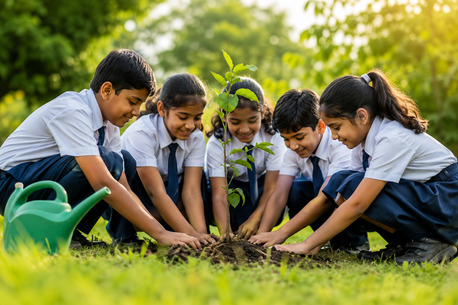
Sustainability initiatives are one example of this approach. Schools are increasingly introducing activities such as recycling campaigns, tree plantation drives, and environmental awareness programs that encourage students to understand their role in protecting the planet. Collaborations with local authorities and programs aligned with the United Nations Sustainable Development Goals (UN SDGs) further strengthen students' understanding of global citizenship and environmental stewardship.
Community service initiatives are equally important. Activities such as charity drives, fundraising events, and volunteer programs provide students with opportunities to develop empathy and a sense of responsibility toward others. These experiences teach children that education is not only about personal success but also about making a positive impact on society.
A Shift Towards Character-Based Education
The growing emphasis on social responsibility reflects a broader movement toward value-based education. Increasingly, parents seek schools that nurture the mind, heart, and character of every child.
Schools that actively promote sustainability, community engagement, and ethical values help students develop:
Leadership and teamwork skills
Empathy and emotional intelligence
Environmental awareness
Cultural understanding
Critical thinking and problem-solving abilities
A strong sense of civic responsibility
These qualities prepare students not only for higher education and future careers but also for life in an interconnected and rapidly changing world.
Why Social Responsibility Matters
Research increasingly highlights the importance of social and emotional learning in education. Students who participate in community projects and service-based activities often demonstrate stronger communication skills, greater resilience, and increased confidence. They also develop a deeper appreciation for diversity and a better understanding of the challenges facing local and global communities.
In today's world, employers and universities are placing growing importance on leadership, collaboration, adaptability, and social awareness. Schools that cultivate these qualities equip students with skills that extend far beyond academic achievement.
How Parents Can Assess a School's Commitment to Social Responsibility
When evaluating a top Indian school in Dubai, parents should consider the following indicators:
Sustainability Initiatives
Does the school promote recycling, energy conservation, environmental awareness, or sustainability campaigns?
Community Engagement
Are students encouraged to participate in charitable activities, volunteer programs, or community service projects?
Value-Based Education
Does the curriculum promote empathy, integrity, respect, and compassion?
Student Leadership Opportunities
Are students given opportunities to lead initiatives, organize campaigns, and participate in decision-making activities?
External Recognition
Has the school received recognition or awards for its sustainability initiatives, community engagement programs, or social responsibility efforts?
Awards and recognitions in these areas often reflect a school's long-term commitment to creating positive social impact and fostering responsible citizenship.
Research suggests that social and emotional learning contributes to improved academic outcomes, stronger interpersonal skills, and greater emotional resilience among students.
Beyond Academic Rankings
Academic achievements and school ratings remain important considerations for families. However, many parents now evaluate schools based on the values they promote, the experiences they provide, and the kind of individuals they help shape.
The ideal Indian school in Dubai is one that balances academic excellence with character development, encourages students to think beyond themselves, and inspires them to contribute positively to society.
Education today is about preparing children not only to succeed in examinations but also to become thoughtful, compassionate, and responsible members of the global community.
Frequently Asked Questions
Q1. Why is a school considered socially responsible?
A socially responsible school actively integrates values such as environmental stewardship, volunteerism, ethics, and community engagement into its educational approach.
Q2. How can parents determine whether a school emphasizes social responsibility?
Parents can review the school's programs, sustainability initiatives, community projects, and student engagement activities through its website, school visits, and discussions with school representatives.
Q3. Why should social responsibility be part of education?
Social responsibility helps students develop leadership, empathy, teamwork, and a strong sense of citizenship, preparing them for both professional success and meaningful participation in society.
Q4. Do all Indian schools in Dubai follow this approach?
Many Indian schools in Dubai incorporate value-based education, but the extent of their sustainability programs, community initiatives, and hands-on learning experiences varies from one institution to another.
Conclusion
Choosing an Indian school in Dubai is one of the most important decisions a family makes, as it influences both a child's academic journey and personal growth. While academic standards and facilities remain essential considerations, parents are increasingly recognizing the importance of a school's values, community engagement, and commitment to sustainability.
The best schools are those that combine academic excellence with character development, helping students become confident learners, compassionate individuals, and responsible global citizens. By selecting a school that prioritizes social responsibility, families can ensure that their children are prepared not only for higher education and successful careers but also for meaningful contributions to society.