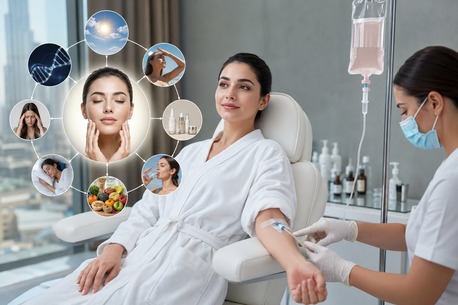
Two individuals may undergo the same whitening injection protocol and still experience different outcomes. This variation is often influenced not by the treatment itself, but by differences in skin biology, lifestyle habits, and environmental factors that affect how the skin responds over time.
While whitening injections are frequently discussed in terms of their ingredients, the appearance of the skin is shaped by many internal and external influences. Understanding these factors can help individuals develop realistic expectations and make informed decisions about their skincare journey.
Skin Brightening Depends on More Than the Treatment
No cosmetic treatment works independently of the body's natural processes. The condition and appearance of the skin are influenced by several factors, including:
Genetics
Age
Hormonal changes
Sun exposure
Hydration levels
Diet and nutrition
Sleep quality
Stress levels
Existing pigmentation concerns
Because these factors differ from person to person, treatment responses can vary considerably.
How Skin Biology Affects Results
Melanin production and skin renewal processes are unique to every individual. Several biological factors may influence how the skin responds to pigmentation treatments, including:
Natural skin tone
Melanin activity
Skin cell turnover rate
Healing and repair capacity
Antioxidant levels
Overall skin health
These biological differences explain why some individuals may notice changes sooner than others, while some may require a more personalized treatment approach.
Lifestyle Habits Can Influence Skin Health
Daily habits play an important role in maintaining healthy-looking skin and may complement physician-supervised skincare treatments. Positive lifestyle choices that support skin wellness include:
Drinking adequate water
Eating antioxidant-rich foods
Getting sufficient sleep
Exercising regularly
Managing stress effectively
Avoiding smoking
Limiting alcohol intake
Conversely, unhealthy lifestyle habits may contribute to oxidative stress, which can affect the skin's overall appearance.
Sun Exposure Is a Major Consideration in Dubai
Dubai's sunny climate means the skin is regularly exposed to ultraviolet (UV) radiation. Excessive sun exposure may contribute to:
Uneven pigmentation
Dark spots and blemishes
Increased melanin production
Premature signs of aging
A dull complexion
For this reason, healthcare professionals often emphasize consistent sun protection, regardless of the cosmetic treatments an individual undergoes.
Protective measures may include:
Applying broad-spectrum sunscreen daily
Wearing protective clothing
Using hats and sunglasses outdoors
Seeking shade during peak sunlight hours
These habits may help support healthier-looking skin and reduce the risk of pigmentation concerns.
Patience and Consistency Are Important
Skin renewal is a gradual biological process, and noticeable changes often take time. Individuals undergoing physician-supervised treatments are generally encouraged to focus on long-term skin health rather than expecting immediate results.
Treatment recommendations may vary depending on:
Skin condition
Treatment goals
Medical assessment findings
Individual response to treatment
Overall health status
Supporting Measures for Skin Wellness
In some cases, injectable antioxidant therapy may be incorporated into a broader skincare plan. Complementary measures that may support skin health include:
Medical-grade skincare products
Gentle exfoliation
Regular moisturization
Hydration-focused treatments
A balanced, nutritious diet
Targeted management of pigmentation concerns when appropriate
A comprehensive skincare routine is often more beneficial than relying on a single treatment alone.
Why Medical Evaluation Matters
The suitability of whitening injections depends on an individual's health status, medical history, and specific skincare needs. Before recommending treatment, healthcare professionals may evaluate factors such as:
Medical history
Current medications
Existing skin concerns
Allergies
Previous cosmetic procedures
Pregnancy or breastfeeding status
Other underlying health conditions
A proper assessment helps determine whether a treatment plan is appropriate for an individual's needs.
Dermatologists often emphasize that maintaining healthy skin habits and consistent sun protection can significantly influence long-term results.
Maintaining Results Over Time
Even when visible improvements occur, maintaining skin health requires ongoing care. Long-term maintenance may include:
Daily sunscreen use
Consistent skincare routines
Healthy lifestyle habits
Follow-up assessments when advised
Minimizing excessive UV exposure
Without continued skin protection, environmental factors may contribute to the return of pigmentation concerns over time.
Setting Realistic Expectations
One of the most important aspects of any aesthetic procedure is understanding its limitations. The goal of physician-supervised skin-brightening treatments is generally to support a brighter, healthier-looking complexion rather than alter an individual's natural skin pigment.
Some individuals may notice improvements such as:
A more radiant appearance
Enhanced skin clarity
A more even-looking skin tone
A refreshed and healthy-looking complexion
However, treatment responses and outcomes can vary significantly between individuals.
Individual responses to cosmetic treatments can vary because skin biology, environmental exposure, and lifestyle factors differ from person to person.
Questions to Discuss Before Treatment
Before beginning treatment, individuals may wish to ask their healthcare professional:
Is this treatment suitable for me?
What results can I realistically expect?
How many sessions may be recommended?
What skincare routine should I follow?
Could any existing medical conditions affect my eligibility for this treatment?
What potential side effects should I be aware of?
What precautions should I follow after treatment?
Conclusion
A combination of biological, environmental, and lifestyle factors influences skin appearance. While whitening injections may form part of a physician-supervised skincare plan for some individuals, treatment outcomes can differ based on genetics, sun exposure, skincare habits, and overall health. Understanding these factors can help individuals set realistic expectations and focus on long-term skin wellness and maintenance.
A personalized approach and realistic expectations are often key to achieving and maintaining healthier-looking skin over time.