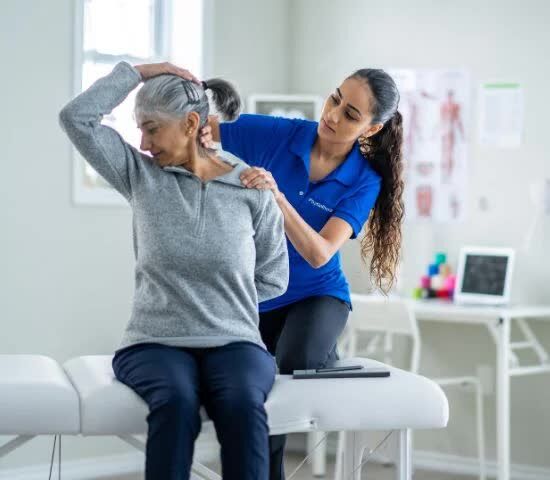
Neurological conditions often affect much more than movement. They can influence balance, coordination, speech, mobility, and the ability to perform everyday activities independently. While medication and medical treatment are essential, rehabilitation plays an equally important role in helping individuals regain function and improve their quality of life.
Modern neuro rehabilitation combines evidence-based physiotherapy techniques with personalized treatment plans to support recovery after neurological disorders. Whether someone is recovering from a stroke, living with Parkinson's disease, or managing the effects of a spinal cord injury, the right rehabilitation program can make a meaningful difference.
For individuals looking for Physiotherapy in Gurgaon, understanding how neuro physiotherapy works can help them make informed decisions about their recovery journey.
What Is Neuro Physiotherapy?
Neuro physiotherapy is a specialized branch of rehabilitation that focuses on treating individuals with disorders affecting the brain, spinal cord, and nervous system. Instead of simply addressing muscle weakness, this approach helps retrain the nervous system to improve movement patterns, coordination, balance, and functional independence.
Treatment is carefully tailored according to each person's condition, recovery stage, age, mobility level, and rehabilitation goals. Since every neurological condition affects people differently, personalized therapy remains one of the most important aspects of successful recovery.
Conditions That Benefit from Neuro Physiotherapy
Neurological rehabilitation is beneficial for a wide range of conditions, including:
Stroke rehabilitation
Parkinson's disease
Multiple sclerosis
Cerebral palsy
Spinal cord injuries
Bell's palsy
Traumatic brain injury
Peripheral nerve injuries
Balance and coordination disorders
Neuropathy-related movement limitations
A qualified Gurgaon Physiotherapy Clinic evaluates each patient thoroughly before designing an individualized treatment strategy that addresses their specific challenges.
Why Early Rehabilitation Matters
One of the biggest misconceptions about neurological recovery is waiting until symptoms become severe before beginning therapy. In reality, early rehabilitation often provides better long-term outcomes.
Starting physiotherapy soon after medical stabilization can help:
Reduce muscle stiffness
Prevent joint contractures
Improve circulation
Enhance balance
Restore walking ability
Improve muscle strength
Reduce the risk of falls
Encourage neuroplasticity
Neuroplasticity refers to the brain's ability to reorganize itself by creating new neural connections. Consistent rehabilitation encourages the nervous system to adapt and compensate for damaged areas, allowing patients to regain functional abilities over time.
Key Components of Neuro Physiotherapy
Comprehensive Functional Assessment
Every rehabilitation program begins with a detailed assessment that evaluates:
Muscle strength
Joint mobility
Walking pattern
Balance
Coordination
Posture
Functional independence
Daily activity limitations
This assessment helps physiotherapists identify the patient's current abilities while establishing realistic rehabilitation goals.
Balance and Gait Training
Many neurological disorders affect walking stability and increase the likelihood of falls.
Physiotherapists use structured gait training exercises to improve:
Walking speed
Step length
Weight shifting
Foot placement
Postural control
Walking confidence
Assistive devices may also be recommended temporarily while patients regain mobility.
Strength and Endurance Training
Weak muscles often develop after prolonged immobility or neurological injury.
Strengthening exercises target:
Core muscles
Lower limbs
Upper limbs
Postural muscles
Improving muscular endurance enables patients to perform everyday tasks with greater independence.
Functional Movement Retraining
Rather than focusing only on isolated exercises, neuro physiotherapy emphasizes real-life movement patterns such as:
Standing up safely
Sitting down independently
Climbing stairs
Bed mobility
Reaching activities
Turning while walking
These functional exercises improve confidence during everyday activities.
Coordination Exercises
Neurological conditions frequently affect coordination and fine motor control.
Therapists incorporate activities that improve:
Hand-eye coordination
Bilateral movement
Precision
Timing
Motor planning
Over time, these exercises contribute to smoother and more controlled movements.
The Role of Technology in Modern Neuro Rehabilitation
Today's rehabilitation programs often integrate advanced technologies that enhance patient engagement and treatment outcomes.
Some examples include:
Balance training equipment
Electrical stimulation
Functional movement analysis
Virtual rehabilitation tools
Biofeedback systems
Robotic-assisted therapy
When combined with traditional physiotherapy techniques, these technologies help improve motivation and encourage repetitive, task-specific practice that supports neurological recovery.
Stroke Rehabilitation: A Common Area of Neuro Physiotherapy
Stroke remains one of the leading causes of long-term disability worldwide. Survivors often experience:
Muscle weakness
Paralysis
Reduced balance
Walking difficulties
Poor coordination
Spasticity
Rehabilitation focuses on gradually rebuilding independence through structured exercises that improve strength, mobility, and daily functional abilities.
With consistent therapy and patient participation, many individuals experience significant improvements in mobility and self-care skills.
Managing Parkinson's Disease Through Physiotherapy
Parkinson's disease progressively affects movement, balance, and coordination.
Although physiotherapy cannot cure Parkinson's disease, it helps patients manage symptoms more effectively by improving:
Walking mechanics
Posture
Flexibility
Functional mobility
Balance
Movement confidence
Regular exercise also helps maintain independence for a longer period while reducing fall risk.
Home-Based Rehabilitation: Extending Recovery Beyond the Clinic
Recovery doesn't end when therapy sessions finish.
Home exercise programs reinforce clinic-based treatment and help patients continue improving between appointments.
A typical home rehabilitation plan may include:
Stretching routines
Balance exercises
Walking practice
Strengthening exercises
Functional mobility tasks
Posture correction
Family members and caregivers also play an essential role by encouraging consistency and creating a safe environment for recovery.
Choosing the Right Rehabilitation Centre
Selecting an experienced rehabilitation provider can significantly influence treatment outcomes.
When comparing options, consider the following:
Specialized Experience
Look for physio