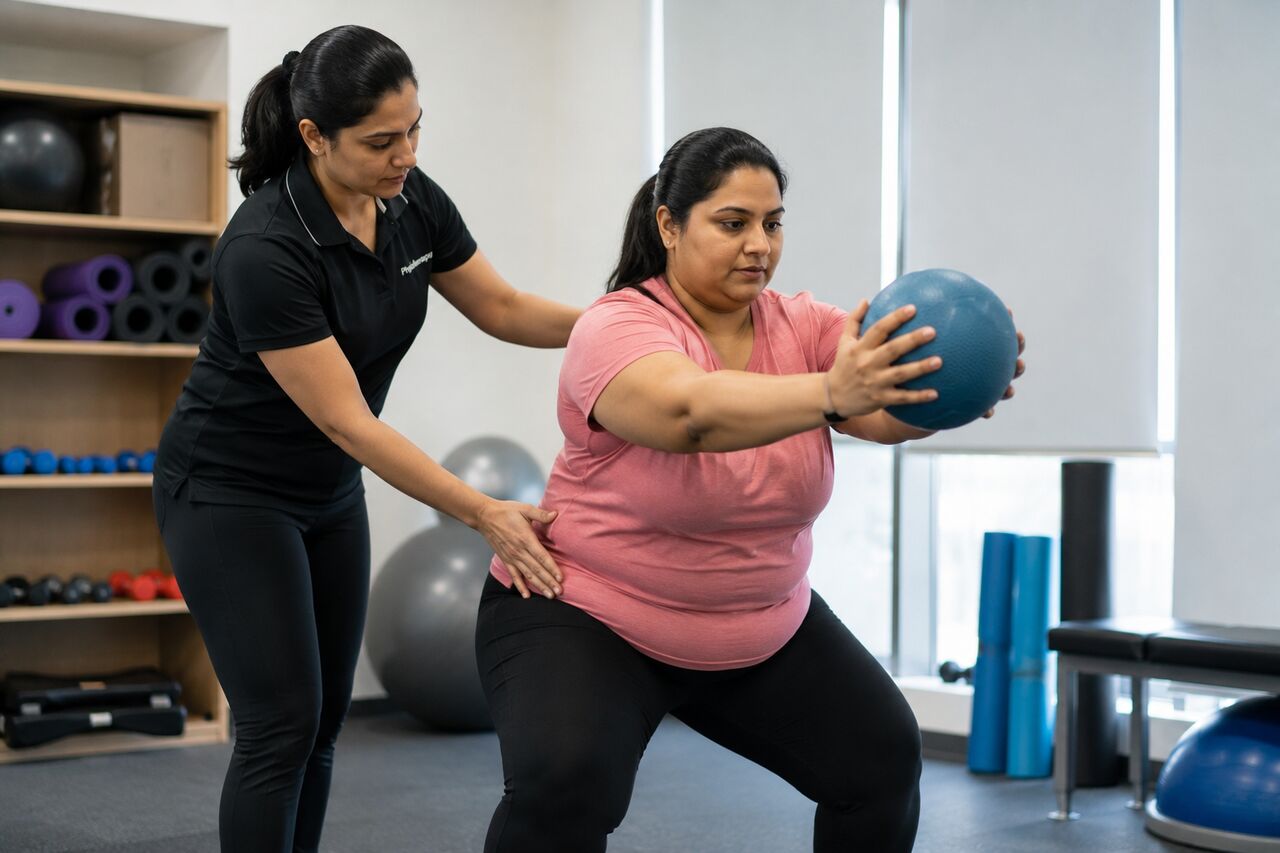
Obesity is more than a concern about body weight—it can significantly affect mobility, joint health, cardiovascular fitness, posture, and overall quality of life. While balanced nutrition and regular exercise remain the foundation of healthy weight management, many people struggle with pain, limited movement, or existing medical conditions that make traditional fitness programs difficult to follow.
This is where Obesity Physiotherapy Services play an important role. A structured physiotherapy program focuses on improving movement, reducing pain, increasing endurance, and helping individuals become physically active in a safe and sustainable way. Instead of pushing through discomfort, patients learn movement strategies that suit their body's current capabilities while gradually building strength and confidence.
For people looking for reliable Physiotherapy in Gurgaon, understanding how physiotherapy supports weight management can make a meaningful difference in achieving long-term health goals.
Understanding the Link Between Obesity and Physical Health
Excess body weight places additional stress on muscles, joints, and the spine. Everyday activities such as climbing stairs, walking, standing for long periods, or even getting out of bed may become increasingly challenging.
Common health issues associated with obesity include:
Knee and hip pain
Lower back discomfort
Reduced balance and coordination
Limited flexibility
Muscle weakness
Poor posture
Reduced cardiovascular endurance
Higher risk of falls and injuries
Many individuals avoid physical activity because movement itself becomes painful. Unfortunately, this often creates a cycle where inactivity leads to further weight gain, increasing physical limitations over time.
Physiotherapy helps break this cycle by introducing safe, progressive movement plans that match individual abilities.
What Makes Obesity Physiotherapy Different?
Unlike general exercise programs, obesity physiotherapy begins with a detailed physical assessment. A physiotherapist evaluates movement patterns, muscle strength, joint mobility, posture, flexibility, balance, and functional limitations before creating a personalised rehabilitation plan.
The focus is not simply burning calories.
Instead, the goals often include:
Restoring pain-free movement
Improving muscle strength
Increasing stamina
Enhancing flexibility
Protecting vulnerable joints
Correcting posture
Building confidence in daily activities
These improvements make it easier for patients to stay physically active over the long term.
Why Joint Protection Matters During Weight Loss
One of the biggest challenges during weight loss is choosing exercises that improve fitness without worsening joint pain.
People carrying excess body weight often experience increased pressure on:
Knees
Ankles
Hips
Lower back
High-impact workouts may aggravate these areas, making it difficult to remain consistent.
Physiotherapists recommend low-impact movement strategies such as:
Controlled Strength Training
Strengthening muscles around major joints improves stability and reduces unnecessary stress during movement.
Functional Movement Training
Exercises mimic everyday tasks such as sitting, standing, lifting, and walking to improve real-world mobility.
Flexibility Exercises
Gentle stretching helps improve range of motion while reducing stiffness.
Balance and Coordination Training
Improved balance lowers the likelihood of falls and increases confidence during physical activity.
The Importance of Personalised Exercise Programs
Every person experiences obesity differently.
Factors such as age, previous injuries, arthritis, diabetes, cardiovascular health, and lifestyle all influence how exercise should be introduced.
A personalised physiotherapy plan considers:
Current Fitness Level
Exercise intensity begins where the patient feels comfortable rather than following a one-size-fits-all routine.
Existing Medical Conditions
Programs are modified for individuals managing chronic pain, hypertension, diabetes, or orthopaedic problems.
Functional Goals
Some patients aim to walk longer distances, while others want to return to recreational activities, improve workplace mobility, or reduce dependence on pain medication.
Personalisation increases both safety and long-term adherence.
How Physiotherapy Supports Sustainable Weight Management
Many people associate weight loss only with reducing calories.
However, movement quality plays an equally important role.
Improved mobility encourages:
More daily walking
Better participation in recreational activities
Higher calorie expenditure
Improved metabolic health
Greater independence
Better mental wellbeing
As strength improves, patients naturally become more active throughout the day without forcing themselves into unrealistic exercise routines.
This gradual increase in activity often produces more sustainable lifestyle changes.
Addressing Pain Before Increasing Activity
Pain is one of the biggest reasons people discontinue exercise.
Rather than ignoring discomfort, physiotherapists identify its underlying cause.
Treatment may include:
Manual therapy
Mobility exercises
Muscle strengthening
Soft tissue techniques
Postural correction
Therapeutic stretching
Functional retraining
Reducing pain allows patients to exercise more consistently without fear of worsening existing conditions.
Improving Posture for Better Movement Efficiency
Excess body weight often changes posture.
Forward shoulders, increased lumbar curvature, weak core muscles, and altered walking patterns can all contribute to discomfort.
Postural training focuses on:
Core Stability
A stronger core provides better spinal support during daily activities.
Proper Walking Mechanics
Efficient gait patterns reduce unnecessary strain on hips, knees, and ankles.
Muscle Balance
Correcting muscular imbalances improves overall movement efficiency while decreasing fatigue.
These improvements often make everyday activities feel significantly easier.
Building Confidence Through Functional Rehabilitation
One overlooked aspect of obesity rehabilitation is psychological confidence.
Many individuals avoid gyms or public exercise spaces because of discomfort, previous injuries, or fear of embarrassment.
Physiotherapy provides a supportive environment where progress is measured based on individual improvement rather than comparisons with others.
Patients gradually regain confidence as they notice improvements in:
Walking speed
Endurance
Flexibility
Daily independence
Pain reduction
Energy levels
This positive reinforcement encourages long-term lifestyle changes.
Combining Physiotherapy With Healthy Lifestyle Habits
Successful weight management usually requires multiple strategies working together.
Physiotherapy complements healthy habits such as:
Balanced Nutrition
Nutritious eating supports recovery, muscle development, and gradual